
Galaxy Tab S9+ (12.4", 2023) vs iPad 8 (2020, A12 series)

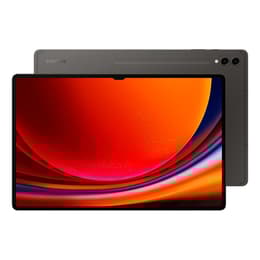
Galaxy Tab S9+ (12.4", 2023)
Starting at

Refurbished price:A$1,221.00

Versus A$2,307.00 new

See options
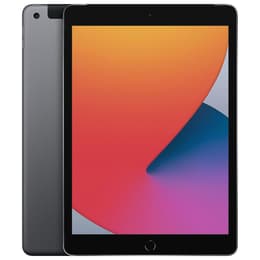
iPad 8 (2020, A12 series)
Starting at

Refurbished price:A$231.00

Versus A$409.00 new

See options

The Samsung Galaxy Tab S9 Plus, released in 2023, and the Apple iPad (8th Generation), released in 2020, represent distinct approaches to tablet computing. The Galaxy Tab S9 Plus operates on Android, offering a larger, more modern display and a focus on advanced features, while the iPad (8th Gen) runs on iPadOS, providing a more streamlined experience with a slightly older hardware foundation. These devices cater to different user preferences, primarily differing in their operating systems, display technology, and overall performance capabilities.

Scores

Durability

The longevity of a tablet is influenced by its release date, software support, and physical durability. The Galaxy Tab S9 Plus, being a 2023 model, benefits from a more recent launch, while the iPad (8th Gen) from 2020 has already accumulated several years of use.

  • Software Support: The Galaxy Tab S9 Plus is expected to receive four major Android OS updates and five years of security updates from its release, extending its software relevance well into the future. The iPad (8th Gen), having been released in 2020, has received several iPadOS updates and is capable of running iPadOS 17, with expectations for continued security updates for a period after major OS support concludes.
  • Practical Lifespan: Users report that the Galaxy Tab S9 Plus maintains strong performance even after a year of use, suggesting a robust practical lifespan for demanding tasks. The iPad (8th Gen) is noted by users for its continued functionality for everyday tasks, with some expecting it to remain viable for several years post-release.
  • Durability Features: The Galaxy Tab S9 Plus features an Armor Aluminum frame and an IP68 rating for dust and water resistance, contributing to its physical resilience. The iPad (8th Gen) has an aluminum unibody design but lacks an official IP rating.

Release year

2023

2020

Compatible with latest Update

Yes

Yes

Operating system

Android

iPadOS

Performance

Performance varies significantly between these two tablets due to their different release timelines and hardware architectures, impacting how they handle applications and multitasking.

  • Processing Power: The Galaxy Tab S9 Plus is equipped with a current-generation processor, enabling it to handle demanding applications, intensive gaming, and complex multitasking smoothly. The iPad (8th Gen) features a capable processor for its release year, providing smooth performance for everyday browsing, light productivity, and casual gaming.
  • Multitasking and Responsiveness: With its higher RAM capacity and efficient processor, the Galaxy Tab S9 Plus offers a fluid experience when switching between multiple applications and utilizing split-screen features. The iPad (8th Gen) provides a responsive experience for typical tablet usage, though its multitasking capabilities are more suited to less intensive workflows.
  • Storage and Battery Behavior: The Galaxy Tab S9 Plus offers larger base storage options and expandable storage via microSD, alongside a substantial battery capacity that supports extended use. The iPad (8th Gen) comes with more modest storage options and a battery that provides a full day of use for many users.

Memory (GB)

12 GB

3 GB

Screen quality

The visual experience on these tablets differs considerably, primarily due to advancements in display technology and screen dimensions.

  • Display Technology and Clarity: The Galaxy Tab S9 Plus features a 12.4-inch Dynamic AMOLED 2X display, offering deep blacks, vibrant colors, and a high resolution for sharp image quality. The iPad (8th Gen) utilizes a 10.2-inch Retina IPS LCD, which provides good clarity and color reproduction for general viewing.
  • Brightness and Refresh Rate: The Galaxy Tab S9 Plus's AMOLED display delivers high brightness levels, making content visible even in bright outdoor conditions, and a 120Hz refresh rate for smoother scrolling and more fluid animations. The iPad (8th Gen) has a standard 60Hz refresh rate and a display that is suitable for indoor use, though it can be reflective in bright environments.
  • Viewing Experience: The larger screen size of the Galaxy Tab S9 Plus enhances the immersive experience for media consumption and provides more screen real estate for productivity tasks. The iPad (8th Gen)'s 10.2-inch display offers a comfortable viewing area for reading, browsing, and casual use.

Resolution

1752 x 2800

2160 x 1620

Screen type

Dynamic AMOLED 2X

Retina display

Pixel density

270ppp

264ppp

Audiovisual

The camera systems on these tablets are designed for different use cases, with the Galaxy Tab S9 Plus offering a more versatile setup compared to the iPad (8th Gen).

  • Rear Camera Capabilities: The Galaxy Tab S9 Plus includes a dual-camera system on the rear, featuring a wide and an ultrawide lens, capable of recording 4K video, which provides more flexibility for capturing photos and videos. The iPad (8th Gen) has a single 8-megapixel rear camera that performs adequately for document scanning and casual photography in good lighting conditions.
  • Front Camera Performance: For video calls and selfies, the Galaxy Tab S9 Plus is equipped with a 12-megapixel ultrawide front camera. The iPad (8th Gen) features a 1.2-megapixel front-facing camera, which is suitable for basic video conferencing.
  • Audio Experience: The Galaxy Tab S9 Plus boasts quad speakers tuned by AKG with Dolby Atmos support, delivering a rich audio experience for media consumption. The iPad (8th Gen) offers stereo speakers that provide clear audio for general use.

Miscellaneous

Beyond core performance, several practical elements differentiate these two tablets, influencing their handling and connectivity.

  • Connectivity and Ports: The Galaxy Tab S9 Plus supports newer Wi-Fi 6E and Bluetooth 5.3 standards, along with optional 5G connectivity, and features a USB-C 3.2 port for modern peripheral compatibility and faster data transfer. The iPad (8th Gen) supports Wi-Fi 5 and Bluetooth 4.2, with optional LTE, and uses a Lightning port.
  • Stylus and Biometrics: The Galaxy Tab S9 Plus includes the S Pen in the box, which attaches magnetically and charges on the device, offering advanced drawing and note-taking capabilities. The iPad (8th Gen) supports the first-generation Apple Pencil, which is sold separately, and features Touch ID for secure authentication via its home button. The Galaxy Tab S9 Plus uses an on-screen fingerprint scanner.
  • Design and Handling: The Galaxy Tab S9 Plus is a larger device with a 12.4-inch screen, weighing around 586g, and has a thin profile. The iPad (8th Gen) is more compact with a 10.2-inch screen, weighing approximately 495g, and features a design with more prominent bezels.

Weight

129 oz

490 oz

Screen size (in)

12.4

10.2

Network

Wi-Fi

Wi-Fi

Carrier compatibility

Without SIM Port

Without SIM Port

User feedback for the Galaxy Tab S9 Plus frequently highlights its stunning AMOLED display, powerful performance for demanding tasks, and the included S Pen as significant advantages. Some users appreciate its durable build and IP68 rating. Criticisms are less common but sometimes point to the Android tablet app ecosystem not always being as optimized as iPadOS for certain applications.

The iPad (8th Gen) is often praised for its ease of use, the stability of iPadOS, and its robust app ecosystem. Users also commend its battery life and its suitability for students and casual users. Common concerns include its older design with larger bezels, the basic camera quality, and the limited base storage options.

Users prioritizing a large, vibrant, high-refresh-rate display, advanced multitasking capabilities, and an included stylus for creative or professional work may find the Galaxy Tab S9 Plus well-suited to their needs. Its newer hardware and longer expected software support make it a strong contender for those seeking a premium Android tablet experience. Conversely, users who value the established iPadOS ecosystem, consistent performance for everyday tasks, and a more compact form factor for general consumption and light productivity may lean toward the iPad (8th Gen). Both devices are available as quality-assured refurbished options, providing an eco-friendly alternative for consumers.


See all articles

Our recent comparisons