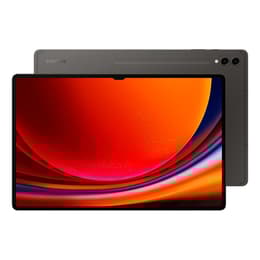
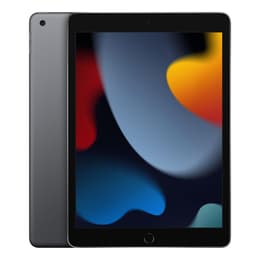

Galaxy Tab S9+ (12.4", 2023) vs iPad 9 (2021, A13 series)

Galaxy Tab S9+ (12.4", 2023)
Starting at

Refurbished price:A$1,221.00

Versus A$2,307.00 new

See options
iPad 9 (2021, A13 series)
Starting at

Refurbished price:A$233.00

Versus A$549.00 new

See options

The Samsung Galaxy Tab S9 Plus, released in July 2023, and the Apple iPad (9th generation), released in September 2021, are two distinct tablet offerings. They cater to different user preferences primarily through their operating systems, Android and iPadOS, respectively. Key differentiators between these two devices include their display technologies, overall performance capabilities, and ecosystem integration.

Scores

Durability

When considering the long-term usability of a tablet, software support and physical resilience are important factors. The Galaxy Tab S9 Plus, being a more recent release, generally benefits from a longer expected period of major operating system updates compared to the iPad (9th generation).

  • Software Longevity: The Galaxy Tab S9 Plus launched with Android 13 and is expected to receive four major Android OS updates, extending its software support until Android 17, along with five years of security updates. The iPad (9th generation), released with iPadOS 15, typically receives major iPadOS updates for about 5-6 years from its release, with security updates potentially continuing for a year or two beyond that. This suggests the iPad (9th generation) may receive major OS updates until around 2026, with security patches until 2028.
  • Build and Durability: The Galaxy Tab S9 Plus features an Armor Aluminum build and boasts an IP68 rating for dust and water resistance, offering a higher level of protection against environmental elements. The iPad (9th generation) has an aluminum back and frame, but does not carry an official IP rating for water or dust resistance.
  • Practical Lifespan: Both devices are built to last, but the newer release date and IP rating of the Galaxy Tab S9 Plus may offer a slight edge in terms of physical longevity and continued software feature support. Users on Reddit have noted that their iPad 9th Gen devices are still performing well after several years for general tasks like banking, web surfing, and video streaming.

Release year

2023

2021

Compatible with latest Update

Yes

Yes

Operating system

Android

iPadOS

Performance

The performance of a tablet significantly impacts the user experience, especially when handling demanding applications or multitasking. The Galaxy Tab S9 Plus and iPad (9th generation) offer different levels of processing power and memory configurations.

  • Processing Power: The Galaxy Tab S9 Plus is equipped with a more recent and powerful processor, designed to handle intensive tasks such as high-end gaming, video editing, and running multiple complex applications simultaneously with smooth responsiveness. The iPad (9th generation) features a capable processor that provides a fluid experience for everyday tasks, web browsing, and most productivity applications. However, some users have reported occasional lag when switching between apps or handling large PDF files, suggesting its limitations with more demanding multitasking scenarios.
  • Multitasking and RAM: With 12GB of RAM, the Galaxy Tab S9 Plus offers substantial memory for seamless multitasking, allowing users to switch between numerous applications without significant slowdowns or reloads. The iPad (9th generation) comes with 3GB of RAM, which is sufficient for general use but can lead to apps reloading more frequently when many are open.
  • Storage Options: The Galaxy Tab S9 Plus offers storage options up to 512GB and includes a microSD card slot for expandable storage up to 1TB, providing flexibility for users with large media libraries or extensive document needs. The iPad (9th generation) is available with up to 256GB of internal storage and does not support expandable storage.

Memory (GB)

12 GB

3 GB

Screen quality

The display is a primary interface for tablets, and the quality of the screen can greatly influence the viewing and interaction experience. The Galaxy Tab S9 Plus and iPad (9th generation) utilize different display technologies and specifications.

  • Display Technology and Size: The Galaxy Tab S9 Plus features a 12.4-inch Dynamic AMOLED 2X display, which offers deep blacks, high contrast, and vibrant colors, contributing to an immersive viewing experience. The iPad (9th generation) has a 10.2-inch Retina IPS LCD display, known for its good color accuracy and clarity.
  • Resolution and Refresh Rate: The Galaxy Tab S9 Plus provides a higher resolution of 2800 x 1752 pixels and a 120Hz refresh rate, resulting in sharper images and smoother scrolling and animations. The iPad (9th generation) offers a resolution of 2160 x 1620 pixels and a standard 60Hz refresh rate, which is adequate for most content but may not feel as fluid as a higher refresh rate display.
  • Brightness and Clarity: Both tablets offer sufficient brightness for indoor use. The AMOLED panel on the Galaxy Tab S9 Plus generally provides better outdoor visibility due to its inherent contrast capabilities. The iPad's display is noted by users as being sharp and vibrant, even if not OLED.

Resolution

1752 x 2800

2160 x 1620

Screen type

Dynamic AMOLED 2X

Retina display

Pixel density

270ppp

264ppp

Audiovisual

While tablets are not typically primary photography devices, their camera systems are important for video calls, document scanning, and casual photography. The audio-visual experience also extends to speakers and microphones.

  • Camera System: The Galaxy Tab S9 Plus includes a dual rear camera setup with a 13MP wide lens and an 8MP ultrawide lens, along with a 12MP ultrawide front camera. This configuration offers versatility for different types of shots. The iPad (9th generation) features an 8MP wide rear camera and a 12MP ultrawide front camera with Center Stage, which automatically keeps subjects in view during video calls.
  • Video Recording and Features: Both tablets are capable of recording high-definition video. The Galaxy Tab S9 Plus supports 4K video recording at 60fps, providing detailed and smooth footage. The iPad (9th generation) records HD video at 1080p. The Center Stage feature on the iPad's front camera is a notable advantage for video conferencing.
  • Audio Experience: The Galaxy Tab S9 Plus is equipped with quad speakers tuned by AKG, delivering a rich and immersive audio experience for media consumption. The iPad (9th generation) features stereo speakers, which provide clear audio for general use.

Miscellaneous

Beyond core specifications, several practical features and design elements contribute to the overall user experience and suitability for different needs. These include connectivity, ports, and physical attributes.

  • Connectivity: The Galaxy Tab S9 Plus supports Wi-Fi 6E and Bluetooth 5.3, offering faster and more reliable wireless connections, with an optional 5G cellular model available. The iPad (9th generation) supports Wi-Fi 5 (802.11ac) and Bluetooth 4.2, providing standard wireless capabilities, and also has an optional LTE cellular model.
  • Ports and Accessories: The Galaxy Tab S9 Plus features a versatile USB-C port for charging and data transfer, and includes the S Pen stylus in the box. The iPad (9th generation) retains the Lightning port and a 3.5mm headphone jack, and supports the first-generation Apple Pencil, which is sold separately.
  • Biometrics and Design: The Galaxy Tab S9 Plus incorporates an on-screen fingerprint sensor for secure unlocking. The iPad (9th generation) uses Touch ID, an integrated fingerprint sensor in the home button. The Galaxy Tab S9 Plus is generally larger and heavier due to its bigger screen, while the iPad (9th generation) is more compact.

Weight

129 oz

487 oz

Screen size (in)

12.4

10.2

Network

Wi-Fi

Wi-Fi

Carrier compatibility

Without SIM Port

Without SIM Port

User feedback for the Galaxy Tab S9 Plus often highlights its exceptional display, robust performance for demanding applications, and the included S Pen as significant advantages. Users appreciate its suitability for tasks like digital art, note-taking, and high-fidelity media consumption. Some criticisms occasionally revolve around the Android tablet app ecosystem, which, while improving, may not always offer the same level of optimization as iPadOS for certain professional applications.

The iPad (9th generation) is frequently praised for its stable and user-friendly iPadOS, access to a vast and well-optimized app ecosystem, and its reliable performance for general use. Its Center Stage camera feature is also a common positive point for video calls. However, some users express concerns about its older design, the non-laminated display, and the continued use of the Lightning port. The 3GB of RAM has also been noted as a potential limitation for heavy multitasking.

Users prioritizing a large, high-quality AMOLED display with a high refresh rate, integrated stylus functionality, and the flexibility of the Android ecosystem, particularly for creative work or extensive media consumption, may find the Galaxy Tab S9 Plus better suited to their needs. Conversely, users seeking a highly reliable, user-friendly tablet with a strong app ecosystem for general productivity, education, and casual entertainment, especially those already invested in the Apple ecosystem, may lean towards the iPad (9th generation). Both devices are available as quality-assured refurbished options, providing an eco-friendly alternative for consumers.


See all articles

Our recent comparisons