Compare models
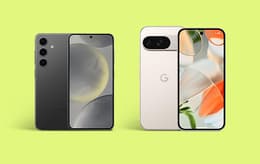
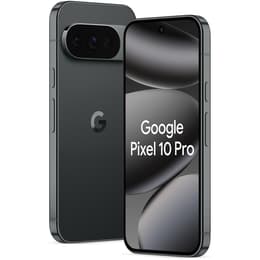
Galaxy S26 vs Google Pixel 10 Pro
- 1-year warranty
- Free standard shipping
- Free 30-day returns
Differences at a glance
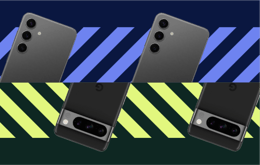
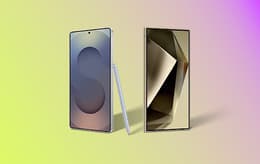
The Samsung Galaxy S26 (2026) and the Google Pixel 10 Pro (2025) represent two distinct approaches to flagship smartphone design within the Android ecosystem. While both devices offer high-end capabilities, refined software integration, and advanced daily performance, they differ notably in their hardware philosophies, user interfaces, and specialized features. Each model runs on Android, yet they provide unique ecosystem experiences tailored to different daily workflows.
Available Models
Colour
Storage
Scores
Durability
When evaluating the longevity and construction of these two smartphones, both models offer extensive software support and robust physical durability designed to withstand years of regular use.
- Software longevity: Both devices benefit from multi-year update commitments that ensure long-term operating system upgrades, security patches, and feature additions throughout their usable lifecycle.
- Repairability and build: Both manufacturers provide structured repair paths, while opting for a quality-assured refurbished option from Back Market presents an eco-friendly alternative that extends device lifespans responsibly.
- Expected practical lifespan: High-tier build materials and persistent software support ensure that both smartphones maintain smooth operational capability for many years of daily handling.
Release year
2026
2025
Operating system
Android
Android
Foldable
No
No
Performance
Performance capabilities dictate how smoothly each smartphone handles everyday apps, heavy multitasking, and power-intensive operations under various conditions.
- Multitasking and responsiveness: Both devices manage rapid app switching, demanding games, and complex background processes effortlessly without noticeable stutter.
- Battery behavior: Both models sustain a full day of typical usage under standard conditions, though heavy multimedia or gaming sessions may require an afternoon top-up.
- Storage capacity: Generous base storage options and high RAM allocations ensure ample room for large files, photos, and smooth handling of intensive computational tasks.
Screen quality
Display characteristics shape the primary interaction point for media consumption, reading, and outdoor navigation on both smartphones.
- Display technology: Both phones utilize advanced OLED panels that deliver deep contrast levels, sharp text clarity, and vivid color representation.
- Outdoor visibility: High peak brightness capabilities ensure that content remains legible and clear even under direct sunlight.
- Refresh rate smoothness: Adaptive refresh rates scale up to high frequencies during scrolling and gaming, dropping down during static tasks to preserve battery life.
Resolution
1080x2340
1280x2856
Audiovisual
Imaging and audio hardware define how effectively each smartphone captures daily moments and delivers multimedia entertainment.
- Camera systems: Both devices feature versatile multi-lens rear camera setups that handle everyday snapshots, wide-angle scenes, and distant subjects with high clarity.
- Low-light and video performance: Advanced computational photography algorithms optimize dark environments, while stable video recording handles motion smoothly.
- Media consumption: Integrated stereo speakers provide clear audio output for calls, podcasts, and casual video viewing without requiring external accessories.
Miscellaneous
Practical daily usability relies on physical dimensions, connectivity standards, and integrated sensor technology across both hardware builds.
- Connectivity standards: Both smartphones support fast 5G networks, modern Wi-Fi protocols, and reliable Bluetooth pairing for seamless wireless accessory integration.
- Physical handling: Ergonomic dimensions, balanced weight distribution, and durable glass-and-metal construction ensure comfortable one-handed use during travel.
- Authentication and ports: Secure biometric options like under-display fingerprint sensors and facial recognition accompany standard USB-C charging interfaces.
Weight
167 oz
213 oz
Screen size (in)
6.3
6.3
Network
5G
5G
SIM card
Physical SIM + eSIM
Physical SIM + eSIM
Carrier compatibility
Unlocked
Unlocked
What the community thinks
Users evaluating the Galaxy S26 and the Google Pixel 10 Pro will find that both smartphones excel in daily productivity, screen clarity, and responsive performance. Community discussions indicate that users appreciate the Galaxy S26 for its refined hardware polish and bright display output, while the Google Pixel 10 Pro receives frequent praise for its streamlined software experience and intuitive photo processing. At the same time, some users note that intensive gaming can trigger noticeable warmth on both models during prolonged sessions.
Users prioritizing deep software customization and a streamlined interface may prefer the Google Pixel 10 Pro, while users seeking a balanced flagship build with alternative ecosystem integrations may lean toward the Galaxy S26. Considering a quality-assured refurbished option through Back Market serves as a sustainable choice for consumers aiming to reduce environmental impact while acquiring high-performance technology. Ultimately, the choice depends on which interface style and daily workflow alignment best match individual preferences.