Compare models
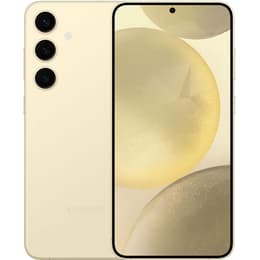
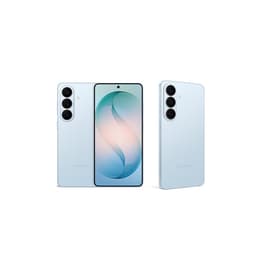
Galaxy S24 vs Galaxy S26
- 1-year warranty
- Free standard shipping
- Free 30-day returns
Differences at a glance
The Samsung Galaxy S24 (2024) and the Samsung Galaxy S26 (2026) are flagship compact smartphones representing consecutive generations of mobile evolution from Samsung. While both devices share a commitment to premium build quality and advanced daily capabilities, the Galaxy S26 introduces refined design metrics, updated software, and optimized internal hardware compared to its predecessor. Operating on different iterations of the Android operating system out of the box, these models offer distinct pathways for users seeking dependable daily technology.
Available Models
Colour
Storage (GB)
Scores
Durability
Lifecycle expectations and software longevity differ between these two models primarily due to their respective release timelines and hardware architectures.
- Software Support: Both devices benefit from extended manufacturer update policies, though the newer model provides an extended timeline for operating system upgrades and security patches simply by virtue of launching later.
- Repairability and Build: Each phone incorporates robust weather resistance ratings and durable frame construction, making them resilient to everyday wear while maintaining standard industry repair procedures.
- Expected Lifespan: Both options deliver long-term structural and operational durability, making quality-assured refurbished options a sustainable choice for reducing electronic waste without sacrificing longevity.
Release year
2024
2026
Operating system
Android
Android
Foldable
No
No
Performance
Handling daily workloads, multitasking, and mobile gaming highlights practical differences in processing efficiency and power management between the two generations.
- Multitasking and Responsiveness: The Galaxy S26 features higher baseline memory configurations and newer internal processing units, resulting in slightly faster app loading speeds and smoother switching during heavy workloads compared to the Galaxy S24.
- Battery Behavior: The newer model incorporates a slightly larger battery capacity paired with more energy-efficient components, translating into more reliable endurance through intensive daily use.
- Storage Configurations: Baseline storage standards have evolved, with the newer release offering higher starting capacities for media storage alongside efficient internal file management.
Screen quality
Viewing experiences vary slightly in physical dimensions, exterior glass protection, and peak visibility metrics across both displays.
- Display Technology: Both models utilize vibrant organic light-emitting diode panels with adaptive refresh rates up to 120 hertz, ensuring smooth scrolling and deep contrast for media consumption.
- Dimensions and Clarity: The Galaxy S26 features a marginally expanded screen size within a similarly compact physical footprint, maintaining sharp pixel densities identical to the Galaxy S24.
- Outdoor Visibility: Advanced surface treatments and high peak brightness levels on both devices allow for clear legibility under direct sunlight.
Resolution
1080x2340
1080x2340
Audiovisual
Optics and multimedia performance reflect steady refinements in computational photography and audio recording capabilities.
- Camera Hardware: Both phones utilize versatile triple-lens rear systems featuring high-resolution main sensors, ultra-wide options, and telephoto lenses for optical zoom.
- Low-Light Performance: The Galaxy S26 benefits from updated image processing algorithms that enhance clarity and reduce noise in challenging night environments.
- Audio and Video: Integrated multi-microphone arrays provide crisp voice pickup for calls, while stereo speakers deliver balanced sound output for media playback.
Miscellaneous
Physical dimensions, connectivity standards, and daily handling characteristics establish practical usability differences in day-to-day scenarios.
- Dimensions and Weight: Both devices maintain a lightweight, pocket-friendly profile, though subtle adjustments to bezel dimensions make the newer model slightly more compact to hold.
- Connectivity: The Galaxy S26 incorporates newer wireless communication standards for faster data transmission, while both models fully support modern fifth-generation mobile networks.
- Security Sensors: Quick biometric authentication is handled via responsive under-display fingerprint sensors and facial recognition capabilities on both handsets.
Weight
167 oz
167 oz
Screen size (in)
6.2
6.3
Network
5G
5G
SIM card
Physical SIM + eSIM
Physical SIM + eSIM
Carrier compatibility
Unlocked
Unlocked
What the community thinks
Community discussions and user feedback indicate that owners appreciate both devices for their pocket-friendly dimensions, bright displays, and dependable everyday performance. Common praise for the Galaxy S24 centers on its reliable battery management and robust build, while users frequently highlight the Galaxy S26 for its refined processing efficiency and enhanced low-light photography results. Some users note that older models can experience warmth during extended gaming sessions, a factor common to compact smartphone engineering.
Users prioritizing maximum long-term software support and peak processing headroom may prefer the Galaxy S26, while users seeking a capable, compact daily driver at a different stage of its product lifecycle will find the Galaxy S24 well-suited to their needs. Choosing an eco-friendly alternative like a quality-assured refurbished option allows consumers to access these features sustainably. Ultimately, the decision depends on whether extended software longevity or immediate feature availability aligns more closely with personal usage priorities.