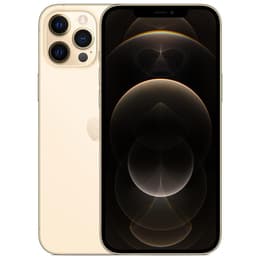

Google Pixel 7a vs iPhone 12 Pro Max

Google Pixel 7a
Google Pixel 7a
Starting at

Refurbished price:A$336.00

Versus A$749.00 new

See options
iPhone 12 Pro Max
iPhone 12 Pro Max
Starting at

Refurbished price:A$436.00

Versus A$1,249.00 new

See options

Ratings

The Google Pixel 7a, released in May 2023, and the iPhone 12 Pro Max, launched in November 2020, represent different approaches to smartphone design and user experience. While the Pixel 7a offers a more recent Android experience with Google's AI-centric features, the iPhone 12 Pro Max provides a larger display and a robust iOS ecosystem. The primary differentiators lie in their operating systems, display sizes, and camera philosophies.

Scores

Durability

When considering the longevity of these devices, their release timelines and software support play a significant role.

  • Release Timeline: The iPhone 12 Pro Max was released in late 2020, making it an older device compared to the Pixel 7a, which launched in mid-2023. This age difference impacts the remaining software support window.
  • OS Support Duration: The Pixel 7a is expected to receive major Android OS upgrades and security updates for approximately five years from its release, meaning support will likely extend into 2028. The iPhone 12 Pro Max, having been released earlier, has already received several iOS updates and is anticipated to continue receiving updates for a few more years, though its total support period will be shorter than the Pixel 7a's.
  • Repairability and Lifespan: Both devices are designed with modern smartphone construction, which can make user repairs challenging. However, opting for a quality-assured refurbished option for either device can extend its practical lifespan and offer a more sustainable choice.

Release year

2022

2020

Compatible with latest Update

Yes

Yes

Operating system

Android

iOS

Foldable

No

No

Performance

The performance of a smartphone is crucial for daily tasks, from browsing to demanding applications. Both devices offer capable performance for their respective ecosystems.

  • Overall System Responsiveness: The Pixel 7a, with its current-generation processor, handles demanding apps and multitasking smoothly, providing a responsive user experience. The iPhone 12 Pro Max, while older, still offers fluid performance for most applications and general navigation within the iOS environment.
  • Multitasking and RAM: The Pixel 7a comes with 8GB of RAM, which contributes to efficient multitasking and app management. The iPhone 12 Pro Max features 6GB of RAM, which is well-optimized by iOS to provide a smooth experience even with multiple applications running.
  • Storage Options: The Pixel 7a is typically available with 128GB of internal storage. The iPhone 12 Pro Max offered more flexibility at launch with options for 128GB, 256GB, and 512GB of storage.

Memory (GB)

8 GB

6 GB

Screen quality

The display is a primary interface for any smartphone, and both the Pixel 7a and iPhone 12 Pro Max offer distinct viewing experiences.

  • Display Technology and Clarity: Both devices feature OLED displays, known for deep blacks and vibrant colors. The Pixel 7a has a 6.1-inch OLED display with a resolution of 1080 x 2400 pixels, resulting in a pixel density of approximately 431 ppi. The iPhone 12 Pro Max boasts a larger 6.7-inch Super Retina XDR OLED display with a higher resolution of 1284 x 2778 pixels, yielding a pixel density of around 458 ppi.
  • Refresh Rate and Smoothness: The Pixel 7a offers a smoother scrolling and interaction experience with its 90Hz refresh rate. The iPhone 12 Pro Max has a standard 60Hz refresh rate.
  • Brightness and Outdoor Visibility: The iPhone 12 Pro Max's display can reach up to 800 nits typical brightness and 1200 nits peak brightness for HDR content, which aids visibility in bright outdoor conditions. The Pixel 7a also offers HDR support, contributing to good visual quality.

Resolution

1080 x 2400

1284 x 2778

Screen type

OLED

Super Retina XDR OLED

Audiovisual

Both smartphones are known for their camera capabilities, though they approach photography with different strengths.

  • Rear Camera System: The Pixel 7a features a dual-camera setup with a 64MP main sensor and a 13MP ultrawide lens. The iPhone 12 Pro Max has a triple 12MP camera system, including a wide, ultrawide, and telephoto lens, along with a LiDAR scanner for improved depth sensing. The iPhone 12 Pro Max's wide camera also features sensor-shift optical image stabilization.
  • Photography Performance: The Pixel 7a is praised for its computational photography, delivering clear and detailed photos in various conditions, including good low-light performance. The iPhone 12 Pro Max also excels in photography, offering strong image quality, especially with its Night mode and Deep Fusion features. Its telephoto lens provides optical zoom capabilities.
  • Video Recording Quality: Both devices are capable of recording 4K video at 60 frames per second. The iPhone 12 Pro Max supports HDR video recording with Dolby Vision.

Main camera

64 megapixels

12 megapixels

Front camera

13 megapixels

12 megapixels

Miscellaneous

Beyond core features, several practical elements contribute to the overall user experience of these devices.

  • Connectivity: Both phones support 5G connectivity for faster mobile data speeds. The Pixel 7a includes Wi-Fi 6E and Bluetooth 5.3, while the iPhone 12 Pro Max features Wi-Fi 6 and Bluetooth 5.0.
  • Ports and Charging: The Pixel 7a uses a USB-C port for charging and data transfer and supports 18W wired fast charging and 7.5W wireless charging. The iPhone 12 Pro Max utilizes Apple's proprietary Lightning port and supports 20W fast charging and wireless charging.
  • Biometric Security: The Pixel 7a offers both an under-display fingerprint sensor and face unlock. The iPhone 12 Pro Max relies on Face ID for secure facial recognition.
  • Build and Handling: The Pixel 7a weighs 193.5 grams and has a 6.1-inch display, making it a more compact device. The iPhone 12 Pro Max is a larger and heavier device at 228 grams with a 6.7-inch display, which might be preferred by users who enjoy a more expansive screen. Both devices offer a degree of water and dust resistance, with the Pixel 7a rated IP67 and the iPhone 12 Pro Max rated IP68.

Weight

212 oz

226 oz

Screen size (in)

6.1

6,7

Network

5G

5G

SIM card

Physical SIM + eSIM

Physical SIM + eSIM

Carrier compatibility

Unlocked

Unlocked

Connector

USB-C

Lightning

The Google Pixel 7a and iPhone 12 Pro Max cater to different user preferences, each offering a compelling smartphone experience within its ecosystem.

Users often praise the Pixel 7a for its exceptional camera performance, particularly its computational photography capabilities, and its clean Android experience with timely updates. Some common concerns might include its battery life for heavy users and the presence of slightly thicker bezels compared to more premium devices. The iPhone 12 Pro Max is frequently lauded for its large, vibrant display, robust build quality, and the consistent performance of its iOS operating system. User feedback sometimes points to its larger size and weight as a factor for one-handed use, and its 60Hz refresh rate might feel less fluid compared to newer devices.

Users prioritizing a more compact device with a modern Android experience, a high refresh rate display, and Google's latest AI-driven camera features may find the Pixel 7a well-suited to their needs. Conversely, those who prefer a larger screen for media consumption, a telephoto camera lens, and the established iOS ecosystem with its strong app support and long-term software updates might lean towards the iPhone 12 Pro Max. Both devices offer reliable performance and a quality user experience, and considering a refurbished option for either can be an eco-friendly alternative to purchasing new.
See all articles

Our recent comparisons