Compare models
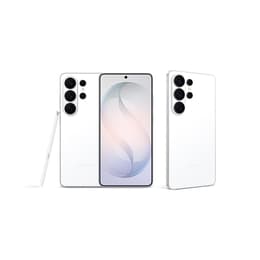
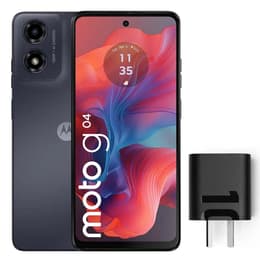
Galaxy S26 Ultra vs Motorola Moto G04
- 1-year warranty
- Free standard shipping
- Free 30-day returns
Differences at a glance
The Samsung Galaxy S26 Ultra (2026) and the Motorola Moto G04 (2024) occupy completely different segments of the smartphone market, catering to distinct user expectations and daily requirements. While the Galaxy S26 Ultra functions as a feature-rich flagship device designed for maximum versatility and advanced tasks, the Motorola Moto G04 serves as an entry-level smartphone focused on essential daily communication. Both devices run on the Android operating system, though they offer vastly different hardware capabilities and software longevity. Examining their core attributes helps identify which device aligns with specific user preferences.
Available Models
Colour
Storage
Scores
Durability
Device longevity and software support schedules vary significantly between these two models based on their release timelines and market positioning.
- Software support duration: The Galaxy S26 Ultra provides an extensive multi-year commitment for security and operating system updates, ensuring long-term usability. The Motorola Moto G04 receives a shorter, standard window of security patches suited for an entry-level category.
- Build durability: The Galaxy S26 Ultra incorporates advanced reinforced glass and sturdy framing designed to withstand rigorous daily handling. The Motorola Moto G04 features a lighter plastic build with water-repellent properties for basic splash protection.
- Expected practical lifespan: Users can anticipate several years of reliable performance from the flagship Samsung model due to its high-end components, whereas the Motorola model suits shorter upgrade cycles or secondary device use.
Release year
2026
2024
Operating system
Android
Android
Foldable
No
No
Performance
Processing capabilities and day-to-day responsiveness reflect the distinct internal hardware choices made for each smartphone.
- System responsiveness: The Galaxy S26 Ultra handles demanding applications, intense multitasking, and high-end gaming smoothly without stuttering. The Motorola Moto G04 manages standard communication tasks, web browsing, and light media streaming adequately with occasional loading pauses during heavier app switches.
- Storage and memory configurations: The Samsung device offers expansive internal storage tiers paired with high RAM capacity for seamless background tasks. The Motorola alternative provides more modest storage and memory allocations geared toward basic file storage and single-app usage.
- Battery behavior: Both devices manage daily energy consumption differently, with the Motorola model offering long standby times on a large capacity cell, while the Samsung model balances high-refresh screen demands with efficient power management features.
Screen quality
Display technologies differ notably, impacting viewing comfort, outdoor readability, and overall visual clarity.
- Display technology: The Galaxy S26 Ultra utilizes an advanced OLED panel providing deep contrast levels, rich colors, and high peak brightness for clear outdoor visibility. The Motorola Moto G04 features an IPS LCD screen delivering standard high-definition resolution suited for everyday viewing.
- Smoothness and refresh rate: The Samsung model supports high refresh rate capabilities for fluid scrolling and animations. The Motorola option operates at a standard refresh rate adequate for basic navigation.
- Screen dimensions: Both phones offer spacious viewing areas suitable for reading, video playback, and browsing, though the flagship panel maintains sharper detail reproduction.
Resolution
1440x3120
720 x 1612
Audiovisual
Imaging and multimedia hardware present a wide gap in photographic flexibility and audio output quality.
- Camera versatility: The Galaxy S26 Ultra equips a multi-lens rear array including ultra-wide and telephoto options for varied photographic perspectives in diverse lighting conditions. The Motorola Moto G04 relies on a single rear camera setup designed for basic snapshot needs in daylight.
- Video and recording: The Samsung device supports high-resolution video capture with advanced stabilization features. The Motorola handset records standard definition video suitable for casual sharing.
- Audio output: Stereo speaker configurations on the flagship model deliver immersive sound for media consumption, whereas the entry-level Motorola device provides single-speaker audio for basic calls and alerts.
Miscellaneous
Physical dimensions, connectivity standards, and daily handling characteristics establish distinct ergonomic profiles.
- Connectivity standards: The Galaxy S26 Ultra includes modern 5G compatibility, advanced Wi-Fi protocols, and rapid data transfer options. The Motorola Moto G04 focuses on standard 4G LTE connectivity alongside basic wireless pairing features.
- Biometrics and security: The Samsung model integrates an ultrasonic under-display fingerprint reader and advanced facial recognition. The Motorola device utilizes a side-mounted fingerprint sensor built into the power button.
- Physical handling: The Samsung handset presents a larger, heavier chassis built with premium frame materials, while the Motorola phone offers a notably lightweight profile that rests easily in one hand.
Weight
214 oz
179 oz
Screen size (in)
6.9
6.56
Network
5G
4G
SIM card
Physical SIM + eSIM
Dual Physical SIM
Carrier compatibility
Unlocked
Unlocked
What the community thinks
Choosing between the Samsung Galaxy S26 Ultra and the Motorola Moto G04 depends entirely on individual functional requirements and daily usage patterns. Users prioritizing high-end photography, intensive gaming, extensive multitasking, and long-term software updates will find the Galaxy S26 Ultra well-suited to their needs. Conversely, users prioritizing a straightforward communication tool for calls, messaging, and basic web browsing without complex features may lean toward the Motorola Moto G04. Exploring a quality-assured refurbished option through Back Market can also provide an eco-friendly alternative for acquiring advanced technology sustainably. Evaluating these core differences ensures an informed decision that matches personal expectations without unnecessary expenditure.