
Compare models

iPad Air 4 (2020, A14 series) vs iPad mini 5 (2019, A12 series)

  • 1-year warranty
  • Free standard shipping
  • Free 30-day returns
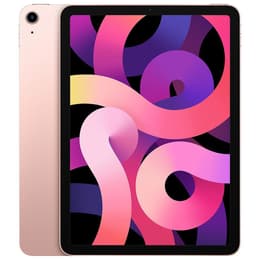
iPad Air 4 (2020, A14 series)
Starting at

Refurbished price:A$539.00

Versus A$849.00 new

See options
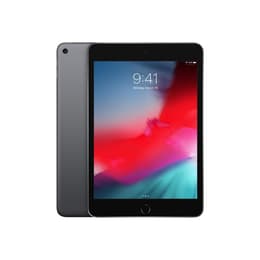
iPad mini 5 (2019, A12 series)
Starting at

Refurbished price:A$271.35

Versus A$649.00 new

See options

Differences at a glance

The iPad Air 4 (2020) and iPad mini 5 (2019) represent two distinct approaches to portable tablet computing within Apple's ecosystem. While the iPad Air 4 offers a modern all-screen layout and a larger workspace, the iPad mini 5 focuses on compact portability with a traditional physical home button design. Both devices run on iPadOS, ensuring access to a similar library of applications, yet they cater to different physical handling preferences and release generations.

Available Models

Colour

Storage

Scores

Durability

When evaluating longevity and everyday durability, the iPad Air 4 and iPad mini 5 reflect their respective one-year release gap and internal hardware differences. Both tablets receive regular system updates, though the later release date of the iPad Air 4 extends its potential window for software support.

    Software longevity: The iPad Air 4 features a newer processing architecture that provides additional headroom for upcoming system requirements, while the iPad mini 5 approaches its software lifecycle maturity at a faster rate.
    Repair framework: Both models utilize aluminum unibody constructions and glass fronts, requiring professional service for component replacements like batteries or screens, with standard repairability profiles typical of modern tablet engineering.

Release year

2020

2019

Compatible with latest Update

Yes

Yes

Operating system

iPadOS

iPadOS

Minimum system requirements (iPadOS)

iPadOS 18

iPadOS 18

Performance

Daily operation and multitasking capabilities vary across these models due to differences in internal hardware generations and memory capacity. Both devices are offered in identical storage capacities of 64GB and 256GB to accommodate media files and applications.

    System responsiveness: The iPad Air 4 handles demanding productivity applications, heavy web browsing, and graphics-intensive games smoothly, while the iPad mini 5 manages everyday tasks like streaming and reading reliably with occasional loading pauses during heavy multitasking.
    Multitasking behavior: Equipped with more system memory, the iPad Air 4 maintains multiple active background apps without frequent reloading, whereas the iPad mini 5 suits straightforward single-app usage or lighter dual-app splits.

Processor

Apple A14 Bionic

Apple A12 Bionic

Screen quality

The viewing experiences diverge significantly between the two models regarding panel size, bezel layout, and overall display technology. Both screens include wide color support and ambient light adjustment features for comfortable viewing.

    Display dimensions: The iPad Air 4 provides a 10.9-inch Liquid Retina screen with minimal bezels for an expansive workspace, while the iPad mini 5 features a compact 7.9-inch Retina display framed by traditional borders.
    Clarity and brightness: Both displays reach matching peak brightness levels for indoor and shaded outdoor use, though the smaller panel of the iPad mini 5 yields a slightly higher pixel density for fine text rendering.

Resolution

2360 x 1640

2048 x 1536

True Tone

Yes

Yes

Promotion

No

No

Screen type

Liquid Retina display

Retina display

Pixel density

264ppp

326ppp

Brightness

500 nits brightness

500 nits brightness

Sound quality

Speakers

Stereo speakers

Stereo speakers

Audiovisual

Media consumption and image capture capabilities differ based on the integrated camera and audio hardware configurations of each tablet generation. Both devices support standard video conferencing and casual photography.

    Camera systems: The iPad Air 4 incorporates a higher-resolution rear camera supporting detailed high-definition video recording, whereas the iPad mini 5 utilizes a simpler rear sensor suited for basic document scanning and snapshots.
    Audio output: The iPad Air 4 features a dual-speaker layout configured to deliver stereo sound in both portrait and landscape orientations, while the iPad mini 5 provides stereo speakers positioned primarily for portrait media playback.

Miscellaneous

Physical design elements and connection standards define how each tablet integrates into daily routines, travel gear, or workspace setups. Both units maintain slim profiles measuring identical depths.

    Connection ports: The iPad Air 4 adopts the modern USB-C standard for accessories and charging, while the iPad mini 5 relies on the proprietary Lightning connector and retains a traditional headphone jack.
    Security and handling: The iPad Air 4 integrates a fingerprint sensor into the top power button alongside support for secondary input accessories, whereas the iPad mini 5 uses a front-facing fingerprint sensor housed beneath the display. Choosing a quality-assured refurbished option provides access to these verified features while supporting sustainable technology consumption.

Weight

458 oz

308 oz

Width

17.85 in

13.48 in

Height

24.76 in

23.32 in

Depth

0.61 in

0.61 in

Screen size (in)

10.9

7.9

Network

Wi-Fi

Wi-Fi + 4G

Carrier compatibility

Without SIM Port

Unlocked

Wi-Fi version

Wi-Fi 6 802.11ax

Wi-Fi 6 802.11a/b/g/n/ac

Bluetooth version

Bluetooth 5.0

Bluetooth 5.0

Face ID

No

No

Touch ID

Yes

Yes

Connector

USB Type-C

Lightning connector

What the community thinks

User feedback from community discussions highlights distinct preferences for each tablet format. Owners of the iPad Air 4 frequently praise its spacious screen and modern connection port, making it a common choice for note-taking and media viewing. Conversely, users of the iPad mini 5 highlight its lightweight footprint and one-handed usability as primary advantages for reading and travel.

Users prioritizing a larger workspace, modern accessories, and expanded multitasking capability generally lean toward the iPad Air 4. Meanwhile, users prioritizing maximum portability, a compact form factor, and a traditional physical button layout often prefer the iPad mini 5. Evaluating these practical differences helps determine which design aligns with specific daily workflows. Opting for a quality-assured refurbished device serves as an eco-friendly way to acquire either model while reducing electronic waste.

Our recent comparisons