Compare models

Galaxy S26 Ultra vs Galaxy Z Fold6

  • 1-year warranty
  • Free standard shipping
  • Free 30-day returns
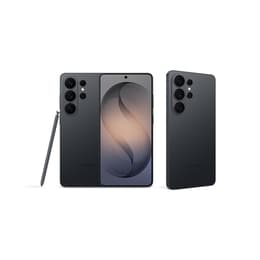
Galaxy S26 Ultra
Starting at

Refurbished price:A$1,516.00

Versus A$2,199.00 new

See options
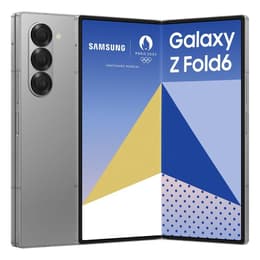
Galaxy Z Fold6
Starting at

Refurbished price:A$1,009.00

Versus A$3,261.00 new

See options

Differences at a glance

The Samsung Galaxy S26 Ultra (2026) and the Samsung Galaxy Z Fold6 (2024) represent two distinct visions of high-end mobile engineering within Samsung's ecosystem. While the Galaxy S26 Ultra follows a traditional slab smartphone blueprint optimized for integrated stylus productivity and robust camera versatility, the Galaxy Z Fold6 utilizes a folding design that transforms from a standard pocket-sized device into a tablet-sized canvas. Both handsets operate on Android and offer deep software feature sets, yet they cater to fundamentally different daily workflows through their hardware layouts.

Available Models

Colour

Storage (GB)

Scores

Durability

When evaluating structural longevity and software support, both devices reflect long-term engineering commitments from the manufacturer, though their physical formats introduce different considerations for daily wear.

  • Software Update Timeline: The Galaxy S26 Ultra benefits from an extended software support window matching its recent release year, while the Galaxy Z Fold6 maintains a parallel multi-year update schedule dating from its 2024 launch.
  • Physical Resilience: The Galaxy S26 Ultra employs a reinforced glass and metal slab construction designed for drop resistance, whereas the Galaxy Z Fold6 incorporates a sophisticated folding hinge mechanism requiring mindful handling over years of frequent folding cycles.
  • Repairability Factors: Standard slab devices like the Galaxy S26 Ultra generally offer simpler component replacement pathways compared to dual-screen folding chassis architectures.

Release year

2026

2024

Operating system

Android

Android

Foldable

No

Yes

Performance

Underneath their exteriors, both models house high-performance internal configurations capable of handling demanding productivity workloads, intensive gaming, and seamless background multitasking without stuttering.

  • Multitasking and Memory: Both devices feature ample memory capacities to keep numerous browser tabs and heavy professional applications active simultaneously without forcing reloads.
  • Thermal Management: The larger physical footprint of the Galaxy S26 Ultra distributes heat efficiently during extended gaming sessions, while the slimmer folding profile of the Galaxy Z Fold6 manages thermal loads adequately during standard office tasks.
  • Battery Endurance: Daily power consumption varies due to screen sizes, with the Galaxy S26 Ultra sustaining long single-screen usage periods and the Galaxy Z Fold6 distributing power across its dual-display setup depending on whether the folding inner screen is active.

Screen quality

The viewing experience forms the most drastic dividing line between these two models, contrasting a high-clarity conventional panel with a transformative folding display area.

  • Display Technology: The Galaxy S26 Ultra utilizes a bright, reflection-resistant flat screen with embedded stylus digitizer layers, while the Galaxy Z Fold6 opens up to a flexible interior organic light-emitting diode panel that creates a tablet workspace.
  • Outdoor Visibility: Both panels achieve high peak brightness levels to maintain sharp text legibility and vibrant imagery under direct sunlight.
  • Refresh Rate Dynamics: Adaptive high refresh rate capabilities ensure smooth scrolling performance, fluid animations, and responsive touch tracking across all active screens on both devices.

Resolution

1440x3120

1856 x 2160

Audiovisual

Imaging hardware and media playback systems are tailored to different styles of content creation and consumption, prioritizing either long-range telephoto reach or flexible multi-angle framing.

  • Photography Suites: The Galaxy S26 Ultra equips a multi-lens array featuring advanced high-resolution sensors and dedicated long-range zoom optics, whereas the Galaxy Z Fold6 relies on a versatile triple-lens setup that accommodates unfolded preview angles.
  • Video and Audio Output: Both smartphones record high-definition video with stable frame rates and clear audio capture, paired with stereo speakers that deliver balanced sound output for media streaming.
  • Ergonomic Media View: The Galaxy Z Fold6 allows users to prop the device upright on flat surfaces using its hinge for hands-free video calls, while the Galaxy S26 Ultra provides a traditional single-screen media viewing experience.

Miscellaneous

Practical everyday elements such as connectivity standards, biometric security, and physical dimensions define how easily each device slips into pockets or backpacks.

  • Connectivity and Ports: Both models support rapid wireless standards, fifth-generation mobile data networks, and reliable Bluetooth pairing alongside reversible USB-C connection ports.
  • Biometric Security: The Galaxy S26 Ultra integrates an ultrasonic fingerprint reader beneath the glass surface, whereas the Galaxy Z Fold6 utilizes a capacitive fingerprint sensor embedded directly within the power button on the side.
  • Portability and Weight: The Galaxy S26 Ultra features a standard slab width that fits comfortably in one hand, while the Galaxy Z Fold6 is heavier and thicker when closed due to its dual-screen mechanical assembly.

Weight

214 oz

239 oz

Screen size (in)

6.9

7.6

Network

5G

5G

SIM card

Physical SIM + eSIM

Dual Physical SIM + eSIM

Carrier compatibility

Unlocked

Unlocked

What the community thinks

User feedback from online communities highlights distinct preference splits for these devices. Owners of the Galaxy S26 Ultra frequently praise its robust battery longevity, integrated stylus convenience, and reliable pocket-friendly ergonomics. Conversely, Galaxy Z Fold6 users highlight the productivity advantages of the expansive inner screen for multitasking, reading documents, and viewing media. Common critiques focus on the heavier weight and visible crease of the folding model, alongside the lack of built-in stylus housing on the foldable chassis.

Users prioritizing productivity canvas space, split-screen app management, and an innovative folding format will find the Galaxy Z Fold6 well-suited to their workflow. Meanwhile, users prioritizing a streamlined single-hand footprint, integrated pen storage, and long-range optical zoom capabilities may lean toward the Galaxy S26 Ultra. For those exploring sustainable hardware choices, selecting a quality-assured refurbished option provides an eco-friendly alternative to acquire high-end mobile technology. Ultimately, the choice depends entirely on whether daily routines benefit more from a versatile expanding display or a classic, highly durable slab layout.