Compare models
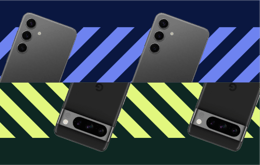
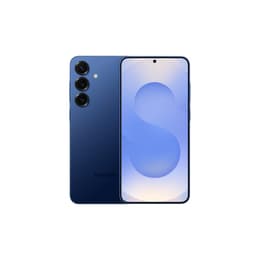
Galaxy S25+ vs Google Pixel 9a
- 1-year warranty
- Free standard shipping
- Free 30-day returns
Differences at a glance
The Samsung Galaxy S25+ and the Google Pixel 9a represent modern smartphone design philosophies launched in early 2025. Both run on the Android operating system and target users seeking dependable daily communication, reliable software support, and modern hardware features. While both devices offer robust feature sets, they approach everyday usability through different priorities in screen estate, battery management, and software assistance.
Available Models
Colour
Storage
Scores
Durability
When evaluating long-term usability and hardware longevity, both smartphones provide extensive software update commitments alongside durable daily construction.
- Software Support Timeline: Both manufacturers provide multi-year operating system updates and security patches, ensuring the devices remain current and secure throughout their typical ownership cycles.
- Build Durability: Each model incorporates water and dust resistance alongside robust glass front panels to handle accidental drops and exposure to the elements during daily travel.
- Expected Lifespan: Practical longevity is supported by ample system memory and efficient power management, allowing both devices to maintain responsive daily operations over several years of active use.
Release year
2025
2025
Operating system
Android
Android
Foldable
No
No
Performance
Daily operation and responsiveness differ slightly based on hardware optimization, memory allocation, and battery endurance during intensive routines.
- App Loading and Multitasking: Both devices handle demanding applications, web browsing, and switching between multiple active programs smoothly without noticeable stutter.
- Battery Behavior: The Google Pixel 9a features a high-capacity battery designed to extend usage times across long days, while the Galaxy S25+ balances battery draw with efficient power scaling for standard daily tasks.
- System Responsiveness: Generous random access memory allocations on both models ensure that background processes run efficiently, supporting seamless productivity and media streaming for mobile professionals.
Screen quality
Visual output and display characteristics vary slightly in physical dimensions, resolution density, and panel technology.
- Display Technology: Both phones utilize vibrant OLED panels that deliver deep contrast levels, rich colors, and wide viewing angles suitable for reading and media consumption.
- Refresh Rate and Smoothness: High refresh rate capabilities up to 120Hz ensure fluid scrolling through web pages, social feeds, and system menus.
- Outdoor Visibility: High peak brightness levels allow both displays to remain legible under direct sunlight, accommodating travelers and outdoor workers.
Resolution
1440x3120
1080x2424
Audiovisual
Photography and media recording capabilities focus on versatile lens configurations and intelligent image processing software.
- Camera Systems: Both models feature multi-lens rear camera setups that handle everyday snapshots, wide-angle landscapes, and close-up subjects with clarity.
- Low-Light Performance: Dedicated night modes help capture balanced exposures and reduce grain in dimly lit environments without requiring manual adjustments.
- Video and Audio: High-definition video recording with stabilization features pairs with clear built-in microphone arrays to support video calls and casual content creation.
Miscellaneous
Physical handling, connectivity standards, and daily conveniences differ in size, weight, and layout.
- Connectivity and Ports: Both devices support modern 5G cellular networks, Wi-Fi standards, and USB Type-C connectivity for rapid data transfer and charging.
- Security Sensors: In-display biometric fingerprint recognition provides secure and rapid device unlocking alongside facial recognition options.
- Dimensions and Handling: The Galaxy S25+ offers a larger screen area within a slim profile, whereas the Google Pixel 9a provides a slightly thicker and heavier chassis designed for a secure grip during single-handed use.
Weight
190 oz
186 oz
Screen size (in)
6.7
6.3
Network
5G
5G
SIM card
Physical SIM + eSIM
Physical SIM + eSIM
Carrier compatibility
Unlocked
Unlocked
What the community thinks
User feedback from online communities highlights distinct preferences for each device. Owners of the Samsung Galaxy S25+ frequently praise its expansive, high-resolution screen and polished interface, though some note that heavy use under bright sunlight can prompt thermal management adjustments. Conversely, Google Pixel 9a users often commend the reliable battery endurance and straightforward software experience, while noting that the heavier build and standard glass front require careful handling. Choosing a quality-assured refurbished option through Back Market provides an eco-friendly alternative for acquiring either device while supporting sustainable electronics consumption.
Users who prioritize a larger, high-resolution viewing workspace and rapid multitasking will find the Galaxy S25+ well-suited to their daily routines. Meanwhile, users who prioritize extended battery endurance and streamlined software assistance may lean toward the Google Pixel 9a. Evaluating these specific everyday requirements helps determine which device aligns best with individual usage patterns.