Compare models
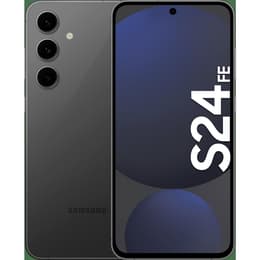
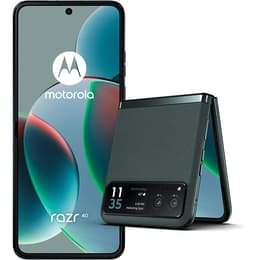
Galaxy S24 FE vs Motorola Razr 40
- 1-year warranty
- Free standard shipping
- Free 30-day returns
Differences at a glance
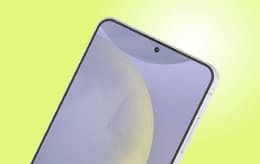
The Samsung Galaxy S24 FE (2024) and the Motorola Razr 40 (2023) represent two distinct smartphone concepts, contrasting a traditional candybar design with a modern foldable form factor. While both devices deliver mainstream mobile computing features, they cater to entirely different structural preferences and physical designs. Operating on Google's Android platform, each device offers a unique user interface tailored to its hardware capabilities, establishing a neutral foundation for evaluating daily usability.
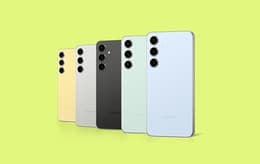
Available Models
Colour
Storage
Scores
Durability
When evaluating structural longevity and software support, these two models follow different timelines based on their respective release dates and hardware architectures.
- Software longevity and updates: The Samsung Galaxy S24 FE benefits from an extended software support window spanning multiple years of major operating system upgrades, whereas the Motorola Razr 40 features a shorter remaining lifecycle due to its earlier launch date.
- Build durability and repairability: The Galaxy S24 FE relies on a rigid glass-and-aluminum slab construction with robust dust and water resistance ratings, while the Motorola Razr 40 incorporates a folding mechanical hinge that requires careful handling over years of daily folding and unfolding cycles.
- Expected practical lifespan: Users seeking long-term system updates and traditional drop resistance will find the Samsung model dependable, whereas users willing to manage a foldable screen structure will experience a distinct hardware format.
Release year
2024
2023
Performance
Under everyday workloads, both smartphones handle standard tasks smoothly, though their internal hardware configurations manage sustained processing and energy consumption differently.
- Multitasking and system responsiveness: Both devices manage daily app switching, web browsing, and social media feeds fluidly, supported by ample memory configurations that keep background programs active without noticeable slowdowns.
- Battery behavior and power management: The Galaxy S24 FE houses a larger physical battery capacity that comfortably sustains a full day of mixed usage, while the Motorola Razr 40's compact foldable footprint houses a smaller power cell that may require a midday top-up during heavy execution days.
- Storage capacity options: Both handsets are available in standard storage tiers that accommodate everyday applications, offline media libraries, and photo collections without immediate space concerns.
Screen quality
Display technology is one of the most significant differences between these models, offering distinct visual experiences depending on user preference for screen mechanics.
- Display technology and format: The Galaxy S24 FE features a flat, vibrant AMOLED display with deep contrast levels, whereas the Motorola Razr 40 utilizes a flexible foldable inner screen complemented by a small external cover display for quick notifications.
- Brightness and outdoor visibility: The Samsung model achieves high peak brightness levels that remain clearly legible under direct sunlight, while the foldable panel on the Motorola device performs well indoors but can catch reflections outdoors due to its softer protective surface layer.
- Refresh rate and scrolling smoothness: Both devices support high refresh rates, ensuring smooth visual transitions when scrolling through web pages, navigating system menus, and viewing compatible media content.
Audiovisual
Photography and media recording capabilities vary significantly, reflecting the differing internal spaces and lens configurations of a traditional slab phone versus a clamshell foldable.
- Camera system versatility: The Galaxy S24 FE equips a versatile triple-lens rear array featuring dedicated wide, ultra-wide, and telephoto options, while the Motorola Razr 40 utilizes a streamlined dual-lens setup focusing on primary and ultra-wide perspectives.
- Low-light and everyday photography: Both smartphones capture crisp daytime images with natural color reproduction, though advanced processing algorithms on the Samsung model yield cleaner shadow details in challenging indoor lighting environments.
- Audio and media consumption: Built-in stereo speakers on both handsets deliver clear sound output for casual video viewing and hands-free calls, though neither includes a traditional headphone jack.
Miscellaneous
Practical daily usability elements, physical dimensions, and connectivity standards shape how each device fits into travel and professional routines.
- Connectivity and wireless standards: Both smartphones support modern 5G cellular networks, dual-SIM configurations using physical or electronic SIM cards, and current Wi-Fi protocols for stable internet access.
- Security and authentication: Fast biometric unlocking is available on both models through responsive fingerprint sensors and facial recognition options integrated into the software.
- Dimensions and physical handling: The Galaxy S24 FE presents a standard large-screen profile that requires traditional pocket space, whereas the Motorola Razr 40 folds in half to fit compactly into smaller pockets or bags, making it a quality-assured refurbished option for travelers prioritizing portability.
Screen size (in)
6.7
6.9
Network
5G
5G
SIM card
Physical SIM + eSIM
Dual Physical SIM
Carrier compatibility
Unlocked
Unlocked
What the community thinks
Choosing between the Samsung Galaxy S24 FE and the Motorola Razr 40 ultimately depends on whether traditional durability and photographic versatility or compact foldable portability matter most to your daily routine. Users prioritizing a traditional glass-and-metal slab design with robust long-term software updates may prefer the Galaxy S24 FE. Meanwhile, users who value a pocket-friendly folding form factor and a unique secondary outer screen will lean toward the Motorola Razr 40. Common praise for the Samsung model centers on its reliable battery life and comprehensive camera array, while community discussions frequently note its bulkier physical footprint. Conversely, users often highlight the Motorola device's innovative folding mechanics and compact closed size, while noting the physical crease inherent to foldable screens. For consumers exploring sustainable technology paths, both models are frequently available as a quality-assured refurbished option through platforms like Back Market, enabling eco-friendly tech choices without compromise. Reviewing these distinct physical and functional trade-offs ensures an informed decision that aligns with your specific usage habits.