
Compare models
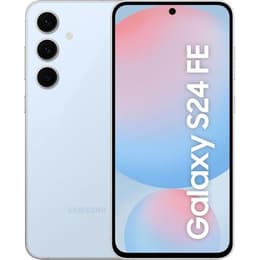
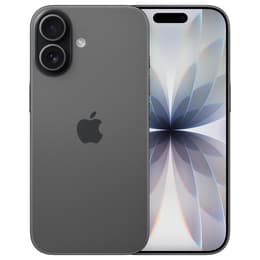
Galaxy S24 FE vs iPhone 17
- 1-year warranty
- Free standard shipping
- Free 30-day returns
Differences at a glance
The Samsung Galaxy S24 FE (2024) and the Apple iPhone 17 (2025) represent two distinct approaches to modern smartphone engineering across different operating systems. While the Samsung model runs on Android and offers a larger workspace, the Apple device runs on iOS and brings updated processing capabilities to a more compact form factor. Choosing between them involves weighing software preferences, screen dimensions, and everyday usability features.
Available Models
Colour
Storage (GB)
Scores
Durability
Both smartphones offer robust build materials and long-term support structures, though their release timelines and software update commitments differ.
- Software longevity and updates: The Galaxy S24 FE benefits from an extended multi-year update policy covering major operating system upgrades, whereas the iPhone 17 provides Apple's traditional long-term software support cycle.
- Build and repair framework: Both models utilize durable glass and aluminum construction paired with high-level dust and water resistance ratings, ensuring strong physical durability for daily use.
- Expected practical lifespan: Hardware capability and efficient internal cooling allow both devices to maintain reliable daily operation across several years of continuous use.
Release year
2024
2025
Operating system
Android
iOS
Foldable
No
No
Performance
Underneath the surface, these devices handle multitasking, demanding applications, and system navigation through distinct hardware architectures.
- Everyday speed and multitasking: Both models manage switching between open apps, streaming media, and browsing smoothly, backed by sufficient random-access memory for fluid operation.
- Battery behavior: The Galaxy S24 FE includes a larger physical battery capacity suited for extended daily screen time, while the iPhone 17 relies on deep system-level hardware efficiency to manage power delivery throughout the day.
- Storage capacity: Both smartphones offer various configuration tiers to accommodate large photo libraries, downloaded media, and offline applications without expandable memory slots.
Screen quality
Visual output and panel characteristics vary significantly in size, brightness delivery, and adaptive motion handling.
- Display technology and size: The Galaxy S24 FE features a sprawling 6.7-inch Super AMOLED screen, while the iPhone 17 utilizes a slightly more compact 6.3-inch OLED panel with adaptive high refresh rates.
- Outdoor legibility: Both screens reach high peak brightness levels, ensuring clear visibility and vibrant colors even under direct sunlight.
- Motion and smoothness: High refresh rate support on both devices guarantees fluid scrolling through web pages, social media feeds, and user interfaces.
Audiovisual
Media capture systems on both devices provide flexible lenses for capturing everyday moments, wide landscapes, and detailed portraits.
- Rear camera configurations: The Galaxy S24 FE incorporates a versatile triple-lens array featuring a dedicated optical zoom lens, while the iPhone 17 utilizes a dual high-resolution camera setup with integrated sensor-crop magnification.
- Video recording and stabilization: Both handsets record sharp high-resolution video clips supported by robust electronic stabilization to minimize shake during movement.
- Audio and media output: Stereo speaker setups on both devices deliver clear sound reproduction for hands-free calls, video viewing, and casual audio playback.
Miscellaneous
Practical everyday features, physical dimensions, and connectivity options shape how each device fits into travel and professional routines.
- Connectivity and ports: Both models support fast cellular networks, modern wireless protocols, and universal USB-C physical charging ports.
- Security and authentication: The Galaxy S24 FE relies on an optical in-display fingerprint sensor, whereas the iPhone 17 uses advanced face recognition technology.
- Physical handling: The Samsung device presents a broader, heavier frame due to its larger screen, while the iPhone 17 offers a lighter, narrower build that sits comfortably in one hand. Exploring a quality-assured refurbished option provides a sustainable choice for acquiring either device.
Weight
213 oz
177 oz
Screen size (in)
6.7
6.3
Network
5G
5G
SIM card
Physical SIM + eSIM
Physical SIM + eSIM
Carrier compatibility
Unlocked
Unlocked
What the community thinks
User discussions across community forums highlight distinct preferences for each device. Owners of the Galaxy S24 FE frequently praise its expansive display space, versatile multi-lens camera layout, and reliable battery life. Conversely, iPhone 17 users often emphasize the fluid responsiveness of the software interface, the comfort of the compact form factor, and the quality of video capture. Common criticisms for the Android model point toward its heavier weight in the hand, while Apple users occasionally note the absence of a dedicated optical zoom lens.
Users prioritizing a large viewing canvas and versatile zoom photography may prefer the Samsung Galaxy S24 FE, while users prioritizing compact handling, iOS ecosystem integration, and advanced video features will likely lean toward the iPhone 17. Looking into a quality-assured refurbished option serves as an eco-friendly alternative for conscious consumers looking to minimize environmental impact. Ultimately, the choice depends on which operating system and physical dimensions align best with daily routines.