
Compare models
Galaxy S24 FE vs iPhone 14 Pro
- 1-year warranty
- Free standard shipping
- Free 30-day returns
Differences at a glance
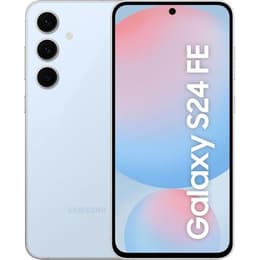
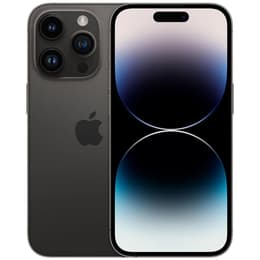
The Samsung Galaxy S24 FE (2024) and the Apple iPhone 14 Pro (2022) represent two distinct approaches to high-end smartphone design within the Android and iOS ecosystems. While the iPhone 14 Pro emphasizes compact premium hardware and Apple's integrated software environment, the Galaxy S24 FE focuses on delivering a large-screen experience with contemporary features and current software support. Both devices cater to users seeking dependable daily performance, high-resolution photography, and robust build quality, though they operate on different operating systems and target distinct user preferences.
Available Models
Colour
Storage (GB)
Scores
Durability
When evaluating hardware longevity and software support, both devices offer strong prospects for multi-year use, though they follow different timelines and update schedules.
- Software support timeline: The Galaxy S24 FE benefits from a modern release year with extended software update commitments, while the iPhone 14 Pro benefits from Apple's established track record of long-term iOS updates.
- Repairability and durability: Both models feature dust and water resistance ratings alongside sturdy exterior builds, though ease of repair varies depending on accessible replacement components and technician availability.
- Expected practical lifespan: Users can expect several years of reliable operation from either device, with high-capacity battery options available through quality-assured refurbished choices that support sustainable technology habits.
Release year
2024
2022
Operating system
Android
iOS
Foldable
No
No
Performance
System responsiveness and hardware capabilities shape how each device handles everyday multitasking, mobile gaming, and intensive application demands.
- Multitasking and daily tasks: Both models manage web browsing, social media feeds, and background syncing smoothly, though differences in internal memory management and processor architecture influence how many apps remain open simultaneously.
- Gaming and heavy applications: The internal processing units handle demanding mobile games and graphics-heavy software without noticeable stuttering, maintaining stable frame rates during extended usage sessions.
- Storage capacity and battery behavior: Available storage tiers cater to varying media storage needs, while battery longevity under typical daily use varies based on screen size, display refresh rates, and individual usage patterns.
Screen quality
Display technology dictates the visual experience for media consumption, outdoor legibility, and daily navigation across both smartphones.
- Display panels and clarity: Both models utilize vibrant organic light-emitting diode technology to deliver deep black levels, sharp resolutions, and rich contrast ratios suitable for reading and video playback.
- Brightness and outdoor visibility: High peak brightness capabilities ensure that text and images remain legible under direct sunlight, assisting outdoor navigation and photography.
- Refresh rate and scrolling smoothness: Fluid high refresh rate support enables responsive touch feedback and smooth scrolling through menus and web pages, enhancing overall interface fluidity.
Resolution
1080x2340
1179 x 2556
Audiovisual
Imaging hardware and software processing determine how each smartphone captures everyday moments, low-light scenes, and recorded video.
- Camera sensor configurations: Both devices employ multi-lens setups featuring high-resolution main sensors and supporting ultra-wide options, while one model includes a dedicated optical zoom lens for distant subjects.
- Video recording capabilities: Advanced stabilization systems and high-resolution video modes allow for steady, detailed footage capture across various lighting conditions.
- Audio and media output: Integrated stereo speaker systems deliver clear sound for hands-free calls and casual media viewing, supported by sensitive multi-microphone arrays for clear voice pickup.
Miscellaneous
Physical dimensions, weight distribution, and connectivity standards influence daily handling comfort and ecosystem integration.
- Build materials and handling: The Galaxy S24 FE offers a larger physical footprint suited for media consumption, whereas the iPhone 14 Pro provides a more compact, heavier form factor designed for single-handed use.
- Connectivity and ports: Both smartphones support modern fifth-generation mobile networks, fast wireless standards, and reliable Bluetooth connectivity, utilizing distinct physical charging port configurations.
- Security and sensors: Secure authentication is handled via facial recognition or under-display fingerprint sensors, alongside standard motion and orientation sensors that optimize daily interactions.
Weight
213 oz
206 oz
Screen size (in)
6.7
6,1
Network
5G
5G
SIM card
Physical SIM + eSIM
Physical SIM + eSIM
Carrier compatibility
Unlocked
Unlocked
What the community thinks
User feedback from online communities highlights distinct preferences between these two devices. Owners of the Galaxy S24 FE frequently praise its expansive screen real estate, modern software features, and reliable battery endurance. Conversely, iPhone 14 Pro users often emphasize appreciation for its compact build quality, premium material finish, and consistent camera performance. Common criticisms across both models typically involve warm operating temperatures during prolonged high-intensity tasks and standard daily battery degradation over time.
Users prioritizing a larger viewing area, current software lifespans, and flexibility within the Android ecosystem may prefer the Galaxy S24 FE. Meanwhile, users valuing a compact form factor, advanced telephoto zoom capabilities, and the iOS environment will likely lean toward the iPhone 14 Pro. Choosing a quality-assured refurbished option provides an eco-friendly way to acquire either device while reducing electronic waste. Ultimately, the right choice depends on individual operating system preferences and physical handling requirements rather than performance superiority.