
Compare models
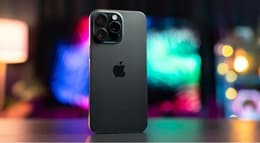
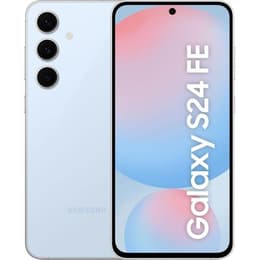
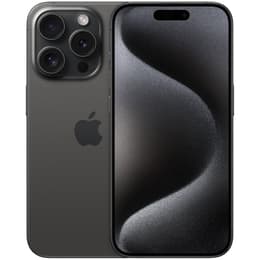
Galaxy S24 FE vs iPhone 15 Pro
- 1-year warranty
- Free standard shipping
- Free 30-day returns
Differences at a glance
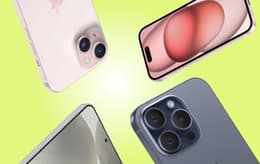
The Samsung Galaxy S24 FE (2024) and the Apple iPhone 15 Pro (2023) represent distinct approaches to modern mobile technology, operating on the Android and iOS platforms respectively. While both devices deliver high-end smartphone capabilities, they differ primarily in their operating systems, design philosophies, and hardware ecosystems. Understanding these fundamental distinctions helps users determine which platform better supports their daily communication, work, and personal routines.
Available Models
Colour
Storage
Scores
Durability
Both devices offer robust long-term support timelines, though their software update policies and physical repair structures differ according to manufacturer standards.
- Software support and updates: The Samsung Galaxy S24 FE benefits from a multi-year update commitment covering multiple operating system upgrades, matching the extended software lifecycle provided by the iPhone 15 Pro.
- Repairability and build endurance: Both models utilize durable frame materials and reinforced glass panels, while quality-assured refurbished options available on platforms like Back Market provide a sustainable choice that extends the functional lifespan of each device.
- Expected longevity: Daily users can expect stable performance and continuous security patches from both models across several years of ownership.
Release year
2024
2023
Operating system
Android
iOS
Foldable
No
No
Performance
Handling daily operations, demanding applications, and multitasking requires efficient processing power, sufficient memory allocation, and reliable energy management.
- Everyday speed and multitasking: Both devices switch smoothly between intensive applications, web browsing, and media streaming without noticeable stutter or lag.
- Storage configurations: Users can select from various internal storage capacities tailored to local file retention, media storage, and application requirements.
- Battery behavior and endurance: Both smartphones maintain sufficient power for a standard day of moderate mixed usage, though heavy users engaging in continuous gaming or navigation may need a midday charge.
Screen quality
Visual output and panel responsiveness define the primary interaction point for media consumption, reading, and interface navigation.
- Display technology: Each device utilizes advanced OLED panel technology, delivering deep black levels, high contrast ratios, and vivid color reproduction.
- Brightness and outdoor visibility: High peak brightness levels ensure the screens remain easily legible under direct sunlight or bright outdoor environments.
- Refresh rate and smoothness: High refresh rate capabilities provide fluid scrolling through web pages and responsive touch tracking during gaming or interface navigation.
Resolution
1080x2340
1179 x 2556
Audiovisual
Capturing memories and recording video rely on versatile sensor arrays, image processing software, and audio capture hardware.
- Camera system versatility: Both models feature primary wide lenses alongside supplementary ultra-wide and optical zoom capabilities to handle varied framing requirements.
- Low-light and video performance: Advanced image stabilization and sensor processing maintain clear detail and balanced exposure during evening photography and high-definition video recording.
- Audio and media output: Integrated stereo speaker setups deliver clear dialogue and balanced sound reproduction for hands-free calls and casual media viewing.
Miscellaneous
Physical dimensions, connectivity standards, and daily handling characteristics influence how each device fits into travel and professional routines.
- Connectivity standards: Both smartphones support modern fifth-generation cellular networks, rapid wireless local area networking, and current Bluetooth protocols.
- Physical ports and charging: Each device incorporates a universal USB-C port for data transfer and wired power replenishment.
- Dimensions and handling: Differences in weight, corner curvature, and overall physical footprint affect single-handed reach and pocket comfort during daily transit.
Weight
213 oz
187 oz
Screen size (in)
6.7
6.1
Network
5G
5G
SIM card
Physical SIM + eSIM
Physical SIM + eSIM
Carrier compatibility
Unlocked
Unlocked
What the community thinks
Choosing between the Samsung Galaxy S24 FE and the iPhone 15 Pro depends heavily on personal ecosystem preferences, operating system familiarity, and specific hardware priorities. Users who prefer the customization options, split-screen multitasking capabilities, and interface layout of Android will find the Galaxy S24 FE well-suited to their daily routines. Conversely, users invested in the Apple ecosystem who prioritize integrated device synchronization and a compact titanium chassis often gravitate toward the iPhone 15 Pro. Consumer feedback frequently highlights the reliable screen quality and fluid everyday performance of both models, while noting that battery life under heavy use can vary depending on individual usage habits. For those seeking an eco-friendly alternative that reduces electronic waste, opting for a quality-assured refurbished device provides a practical path toward sustainable technology consumption without compromising on functional capability.