
Galaxy S23 vs iPhone 16 Pro

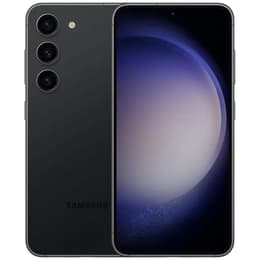
Galaxy S23
Galaxy S23
Starting at

Refurbished price:A$489.00

Versus A$1,349.00 new

See options
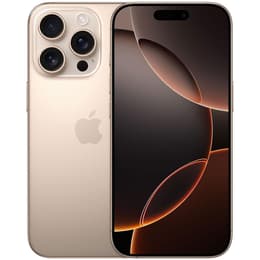
iPhone 16 Pro
iPhone 16 Pro
Starting at

Refurbished price:A$1,148.00

Versus A$1,999.00 new

See options

Ratings

The Samsung Galaxy S23, released in February 2023, and the anticipated iPhone 16 Pro, expected in September 2026, represent distinct approaches to flagship smartphone design and functionality. While the Galaxy S23 offers a compact Android experience with a focus on camera versatility and a vibrant display, the iPhone 16 Pro is expected to build upon Apple's Pro lineage with significant advancements in processing power, camera capabilities, and display technology. Both devices aim to deliver a premium user experience, but they cater to slightly different priorities within the high-end smartphone market.

Scores

Durability

When considering the long-term usability of a smartphone, factors like software support and physical resilience are key. The Galaxy S23 and the expected iPhone 16 Pro offer different timelines for software longevity and approaches to durability.

  • Software Support: The Samsung Galaxy S23 launched with Android 13 and is guaranteed to receive four major Android operating system updates, extending its software support until Android 17, along with five years of security updates, lasting until 2028. The iPhone 16 Pro, following Apple's typical update policy, is expected to receive iOS updates for a longer duration, generally spanning five to seven years from its release.
  • Repairability: The Galaxy S23 has been noted for improved repairability compared to its predecessors, scoring 8.2 out of 10 in French environmental legislation guidelines, indicating a more accessible design for component replacement. Information regarding the iPhone 16 Pro's repairability is not yet definitive, but Apple has shown a trend towards making devices more serviceable in recent years.
  • Expected Lifespan: Users can anticipate a practical lifespan of at least 4-5 years for the Galaxy S23 with full software and security support. The iPhone 16 Pro is likely to offer a slightly longer period of optimal software performance due to Apple's extended update cycles, potentially making it a suitable choice for those who prefer to keep their devices for many years.

Release year

2023

2024

Compatible with latest Update

Yes

Yes

Foldable

No

No

Performance

Performance is a critical aspect for daily smartphone use, influencing everything from app responsiveness to demanding tasks like gaming and video editing. Both the Galaxy S23 and the anticipated iPhone 16 Pro are designed to deliver high-level performance, though through different hardware architectures.

  • Processing Power: The Samsung Galaxy S23 is equipped with a specialized version of a current-generation processor, optimized for Galaxy devices, which enables smooth operation for web browsing, video streaming, and graphics-intensive games. The iPhone 16 Pro is expected to feature Apple's next-generation Pro chip, which is anticipated to bring further enhancements in CPU and GPU performance, alongside a significantly improved Neural Engine for advanced artificial intelligence tasks.
  • Multitasking and Responsiveness: With 8GB of RAM, the Galaxy S23 handles multitasking efficiently, allowing users to switch between applications without significant slowdowns. The iPhone 16 Pro is also rumored to include 8GB of RAM, which, combined with Apple's optimized software, is expected to provide a highly fluid and responsive user experience, particularly with the integration of new AI features.
  • Storage Options: The Galaxy S23 offers internal storage options starting from 128GB and going up to 256GB. The iPhone 16 Pro is rumored to offer a wider range of storage configurations, potentially extending up to 2TB, catering to users with extensive storage needs for media, applications, and large files.

Memory (GB)

8 GB

8 GB

Screen quality

The display is the primary interface for smartphone interaction, and both devices offer high-quality viewing experiences with distinct characteristics.

  • Display Technology and Clarity: The Samsung Galaxy S23 features a 6.1-inch Dynamic AMOLED 2X display, known for its vibrant colors, deep blacks, and excellent contrast. The iPhone 16 Pro is expected to come with a larger 6.3-inch advanced OLED panel, rumored to incorporate micro-lens array technology for enhanced brightness and efficiency, and potentially offering a 20% increase in brightness over its predecessor.
  • Brightness and Outdoor Visibility: The Galaxy S23 achieves a peak brightness of 1750 nits, ensuring good visibility even in bright outdoor conditions. The iPhone 16 Pro is anticipated to offer higher SDR brightness, reaching up to 1200 nits, while maintaining a high HDR peak brightness, which could result in superior outdoor performance and HDR content viewing.
  • Refresh Rate and Viewing Experience: Both devices are expected to feature adaptive refresh rates up to 120Hz, providing smooth scrolling and fluid animations. The Galaxy S23's display dynamically adjusts its refresh rate to optimize power consumption. The iPhone 16 Pro's expected display advancements, including potentially thinner bezels, aim to maximize the screen-to-body ratio, offering a more immersive viewing experience.

Resolution

1080 x 2340

1206 x 2622

Screen type

Dynamic AMOLED 2X

LTPO Super Retina XDR OLED

Audiovisual

Camera capabilities are a significant differentiator for modern smartphones, and both the Galaxy S23 and the anticipated iPhone 16 Pro offer advanced systems for photography and videography.

  • Rear Camera Systems: The Samsung Galaxy S23 features a versatile triple-camera setup, including a 50MP main sensor with optical image stabilization, a 12MP ultrawide lens with a 120-degree field of view, and a 10MP telephoto lens capable of 3x optical zoom. The iPhone 16 Pro is expected to bring substantial camera upgrades, including a new 48MP ultrawide camera, a 5x telephoto lens (tetraprism) for the smaller Pro model, and a main camera with a new sensor designed to enhance low-light photography.
  • Photography Performance: The Galaxy S23 is known for capturing pleasing photos in various lighting conditions with vibrant colors, though some users note a tendency towards oversaturation. The iPhone 16 Pro's rumored camera enhancements, such as an improved ultrawide lens and a new anti-reflective coating, aim to deliver clearer images, better low-light performance, and reduced lens flare.
  • Video Recording and Features: The Galaxy S23 supports 8K video recording at 30 frames per second, offering high-resolution video capture. The iPhone 16 Pro is rumored to support 3K video at 120 frames per second with Dolby Vision, alongside a new 'Capture Button' that provides tactile controls for zoom, focus, and exposure, enhancing the video recording experience.

Main camera

50 megapixels

48 megapixels

Front camera

12 megapixels

12 megapixels

Miscellaneous

Beyond core features, several practical elements contribute to the overall user experience and daily convenience of a smartphone.

  • Connectivity: The Samsung Galaxy S23 supports 5G and Wi-Fi 6E, providing fast and reliable wireless connections. The iPhone 16 Pro is expected to feature Wi-Fi 7 support for even faster and more stable wireless connectivity, along with a 5G Advanced network modem for enhanced cellular performance.
  • Ports and Biometrics: Both devices utilize a USB-C port for charging and data transfer. The Galaxy S23 features an ultrasonic in-screen fingerprint sensor for secure unlocking. The iPhone 16 Pro will continue to rely on Face ID for biometric authentication and is expected to include an Action Button, similar to previous Pro models, with the addition of a new 'Capture Button' for camera functions.
  • Design and Materials: The Galaxy S23 features a compact design with a glass and metal construction, offering a comfortable one-handed experience. The iPhone 16 Pro is expected to maintain a premium build with a titanium frame and is rumored to have slightly larger dimensions due to its increased screen size, while also featuring thinner display bezels for a more expansive visual.

Weight

227 oz

199 oz

Screen size (in)

6.1

6.3

Network

5G

5G

SIM card

Physical SIM + eSIM

Physical SIM + eSIM

Carrier compatibility

Unlocked

Unlocked

Connector

USB-C

USB-C (USB 3)

The Samsung Galaxy S23 and the anticipated iPhone 16 Pro offer compelling packages for different user preferences. The Galaxy S23 is often praised for its compact form factor, versatile camera system, and vibrant display, making it a strong contender for users who appreciate a balanced Android experience in a smaller footprint. However, some users have noted potential for overheating during demanding tasks and occasional cellular modem performance issues in areas with weak signals.

The iPhone 16 Pro, while still largely based on rumors and expectations, is anticipated to excel in raw processing power, offering significant advancements in AI capabilities and an even more refined camera system with enhanced low-light performance and new photographic controls. Its expected longer software support timeline also appeals to users who prioritize extended device longevity. Potential considerations for the iPhone 16 Pro might include its expected larger size compared to previous Pro models, which could impact one-handed use for some.

Users prioritizing a compact Android device with a proven camera and a strong ecosystem of features may find the Galaxy S23 well-suited to their needs. Those who lean towards Apple's ecosystem and prioritize cutting-edge performance, advanced camera technology, and a longer software support window, even if it means a slightly larger device, may prefer the anticipated iPhone 16 Pro. Both devices represent excellent choices, and considering a quality-assured refurbished option for either model can be an eco-friendly alternative to extend their lifecycle and make a sustainable choice.


See all articles

Our recent comparisons