Compare models

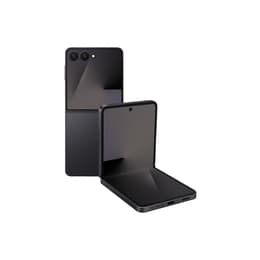
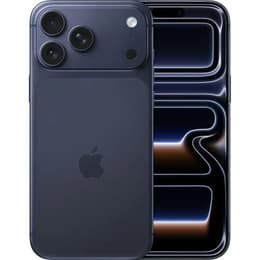
Galaxy Z Flip7 vs iPhone 17 Pro Max

  • 1-year warranty
  • Free standard shipping
  • Free 30-day returns
Galaxy Z Flip7
Starting at

Refurbished price:A$840.00

Versus A$1,799.00 new

See options
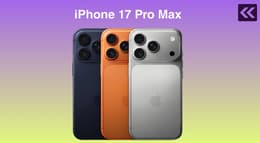
iPhone 17 Pro Max
Starting at

Refurbished price:A$1,746.00

Versus A$1,749.00 new

See options

Differences at a glance

The Samsung Galaxy Z Flip7 (2025) and the Apple iPhone 17 Pro Max (2025) represent two distinct approaches to high-end mobile engineering: a compact foldable clamshell device and a large-form-factor traditional flagship smartphone. While both cater to users seeking advanced hardware, they differ fundamentally in design philosophy, operating systems, and physical dimensions. The Galaxy Z Flip7 runs on Android with Samsung's customized interface, whereas the iPhone 17 Pro Max operates on iOS, offering completely different software ecosystems and everyday interaction models.

Available Models

Colour

Storage (GB)

Scores

Durability

Both devices launched in mid-to-late 2025, placing them on similar generational timelines for hardware longevity and ongoing software support.

  • Software Support: Both manufacturers provide extensive multi-year software and security update schedules, ensuring both models remain current and secure for years of regular use.
  • Physical Durability: The iPhone 17 Pro Max utilizes a rigid unibody frame and reinforced glass designed to withstand standard drops, while the Galaxy Z Flip7 features a foldable internal display mechanism that requires mindful handling despite modern hinge improvements.
  • Repairability: Traditional slate devices like the iPhone generally offer straightforward component replacement pathways compared to complex folding screen assemblies.

Release year

2025

2025

Operating system

Android

iOS

Foldable

Yes

No

Performance

Equipped with current-generation internal processing hardware, both smartphones handle demanding daily responsibilities, complex multitasking routines, and graphics-heavy mobile games smoothly.

  • Multitasking and Memory: Generous random access memory allocations on both models allow background applications to stay active without frequent reloading.
  • Storage Capacity: Multiple high-capacity internal storage tiers are available on both devices, accommodating large photo libraries, offline media, and substantial application data.
  • Battery Efficiency: The iPhone 17 Pro Max leverages power-efficient system design to sustain long intervals between charges during intensive media consumption, whereas the Galaxy Z Flip7 balances a compact battery footprint with optimized power management for daily tasks.

Screen quality

The viewing experiences differ drastically due to the contrasting physical form factors of a foldable clamshell versus a large rigid display panel.

  • Display Technology: Both models utilize advanced organic light-emitting diode panels that deliver deep contrast levels, rich colors, and high peak brightness for comfortable outdoor visibility.
  • Refresh Rate Support: Smooth high-refresh-rate technology ensures fluid scrolling through web pages, animations, and user interface elements on both screens.
  • Screen Form Factor: The Galaxy Z Flip7 provides a flexible main screen alongside a functional external cover display for quick notifications, whereas the iPhone 17 Pro Max presents a vast, uninterrupted glass viewing area optimized for media viewing.

Resolution

1080x2520

2868x1320

Audiovisual

Imaging capabilities on these flagship devices cater to versatile photography styles, featuring multiple lenses and advanced computational processing.

  • Lens Versatility: Both options incorporate high-resolution main sensors and supporting ultra-wide lenses to capture detailed landscapes, close-up subjects, and group photos.
  • Low-Light Performance: Advanced sensor sensitivity and automated software stabilization help both devices capture clear images and videos in dim environments.
  • Video and Audio: High-definition video recording features are paired with clear microphone arrays, delivering dependable sound capture for phone calls, voice memos, and recorded video clips.

Miscellaneous

Practical daily usability elements, connectivity standards, and physical builds shape how each device fits into distinct routines.

  • Connectivity: Both models support modern fifth-generation cellular networks, fast local wireless standards, and precise satellite positioning systems for navigation.
  • Physical Handling: The Galaxy Z Flip7 folds into a compact square that slips easily into small pockets, while the iPhone 17 Pro Max offers a larger, heavier footprint that prioritizes maximum screen estate.
  • Authentication: The Samsung device incorporates face recognition alongside a side-mounted fingerprint sensor, whereas the Apple model relies entirely on secure facial mapping technology.

Weight

188 oz

233 oz

Screen size (in)

6.9

6.9

Network

5G

5G

SIM card

Physical SIM + eSIM

eSIM

Carrier compatibility

Unlocked

Unlocked

What the community thinks

User discussions and community feedback indicate that satisfaction with these devices heavily depends on personal form factor preferences. Owners of the Galaxy Z Flip7 frequently praise its pocket-friendly folding design and convenient cover display, though some note that foldable screens require more careful handling over time. Conversely, users of the iPhone 17 Pro Max highlight its exceptional battery endurance, expansive viewing area, and robust build quality, while occasionally mentioning its larger physical weight as a minor trade-off for one-handed use.

Users who prioritize a compact, easily storable pocket footprint with innovative folding mechanics will find the Galaxy Z Flip7 well-suited to their daily routines. On the other hand, users who prioritize maximum screen real estate, extended battery stamina, and a traditional rigid structure will likely lean toward the iPhone 17 Pro Max. For consumers interested in a quality-assured refurbished option, exploring eco-friendly alternatives on Back Market provides a sustainable path to acquiring either device.


Our recent comparisons