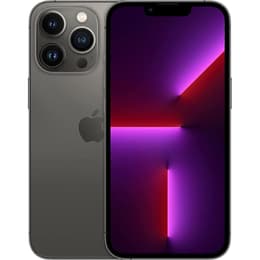
Galaxy S10 vs iPhone 13 Pro

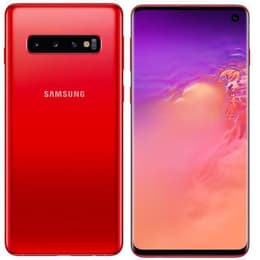
Galaxy S10
Galaxy S10
Starting at

Refurbished price:A$359.00

Versus A$849.00 new

See options
iPhone 13 Pro
iPhone 13 Pro
Starting at

Refurbished price:A$549.00

Versus A$1,539.00 new

See options

Ratings

The Samsung Galaxy S10, released in March 2019, and the Apple iPhone 13 Pro, launched in September 2021, represent distinct eras and ecosystems within the smartphone landscape. While both are flagship devices from their respective manufacturers, they offer different experiences rooted in their Android and iOS operating systems. Key differentiators between these two models include their release timelines, the longevity of their software support, and their approach to camera technology and display features.

Scores

Durability

The practical lifespan of a smartphone is significantly influenced by its release timeline and the duration of software support it receives.

  • Release Timeline and Software Support: The Galaxy S10, released in 2019, concluded its major Android operating system updates with Android 12 and One UI 4. Its security updates officially ended in April 2023 for most models, meaning it no longer receives regular security patches. In contrast, the iPhone 13 Pro, launched in 2021 with iOS 15, is expected to receive software updates for several more years, typically benefiting from Apple's longer support cycles.
  • Physical Durability: Both devices offer robust builds. The Galaxy S10 features Corning Gorilla Glass 6 on the front and Gorilla Glass 5 on the back, encased in an aluminum frame. The iPhone 13 Pro boasts a Ceramic Shield front cover, a textured matte glass back, and a stainless steel frame. Both models carry an IP68 rating for water and dust resistance, indicating a similar level of protection against environmental elements.
  • Expected Practical Lifespan: Users prioritizing extended software longevity and access to the latest features will find the iPhone 13 Pro offers a considerably longer practical lifespan due to its more recent release and Apple's commitment to prolonged software support. For the Galaxy S10, while the hardware remains capable, the absence of ongoing security updates may be a consideration for some users.

Release year

2019

2021

Compatible with latest Update

No

Yes

Operating system

Android

iOS

Foldable

No

No

Performance

Performance is a critical aspect of daily smartphone use, impacting everything from app responsiveness to multitasking capabilities.

  • Processor Capabilities: The Galaxy S10 is powered by either the Exynos 9820 or Snapdragon 855 processor, depending on the region. This hardware was considered top-tier at its release and capably handles everyday tasks, web browsing, and most applications. However, when running very demanding applications or graphically intensive games, it may exhibit slower loading times or less fluid performance compared to newer devices. The iPhone 13 Pro features an advanced processor, which delivers consistently smooth and rapid performance across all applications, including intensive gaming and professional-grade video editing tasks.
  • Storage and Multitasking: The Galaxy S10 typically comes with 8GB of RAM and offers internal storage options of 128GB or 512GB, with some variants offering up to 1TB. It also supports expandable storage via a microSD card, allowing users to increase storage capacity. The iPhone 13 Pro is equipped with 6GB of RAM and provides internal storage options ranging from 128GB to 1TB, but it does not support expandable storage. Both devices are well-suited for multitasking, though the iPhone 13 Pro's more efficient processor often translates to a more seamless experience when switching between numerous demanding applications.
  • Battery Behavior: The Galaxy S10 houses a 3400 mAh battery, which generally provides a full day of use for moderate users. It supports Qi wireless charging and can also wirelessly charge other compatible devices. The iPhone 13 Pro, with a 3095 mAh battery, is known for its extended battery life, often lasting a full day even for heavy users, thanks to its power-efficient hardware and software optimization. It supports MagSafe and Qi wireless charging.

Memory (GB)

8 GB

6 GB

Screen quality

The display is the primary interface for smartphone interaction, and both devices offer high-quality viewing experiences with distinct characteristics.

  • Display Technology and Resolution: The Galaxy S10 features a 6.1-inch Dynamic AMOLED display with a Quad HD+ resolution of 3040x1440 pixels, resulting in a pixel density of 550 ppi. This display technology is known for its vibrant colors, deep blacks, and excellent contrast. The iPhone 13 Pro also has a 6.1-inch Super Retina XDR OLED display, offering a resolution of 2532x1170 pixels at 460 ppi. Both displays support HDR content, providing rich and detailed visuals.
  • Brightness and Refresh Rate: The Galaxy S10 provides good brightness levels for various lighting conditions. The iPhone 13 Pro, however, offers higher typical brightness of up to 1000 nits and a peak brightness of 1200 nits for HDR content, making it particularly well-suited for outdoor visibility and HDR media consumption. A significant difference lies in the refresh rate: the Galaxy S10 features a standard refresh rate, while the iPhone 13 Pro incorporates ProMotion technology, offering an adaptive refresh rate that can scale from 10Hz to 120Hz. This results in noticeably smoother scrolling, more fluid animations, and a more responsive feel during use.
  • Viewing Experience: Both phones deliver excellent visual fidelity. The Galaxy S10's Infinity-O display design minimizes bezels with a punch-hole cutout for the front camera. The iPhone 13 Pro features a slightly smaller notch compared to previous iPhone models. Users prioritizing ultra-smooth motion and higher peak brightness will appreciate the iPhone 13 Pro's ProMotion display, while the Galaxy S10 still offers a visually impressive and sharp screen.

Resolution

1440 x 3040

1170 x 2532

Screen type

Dynamic AMOLED

Super Retina XDR OLED

Audiovisual

Camera capabilities are a major consideration for many users, and both devices provide versatile photographic and videographic tools.

  • Rear Camera Systems: The Galaxy S10 features a triple-lens rear camera setup, including a 12-megapixel wide-angle lens with a variable aperture, a 12-megapixel telephoto lens offering 2x optical zoom, and a 16-megapixel ultrawide lens. This system is capable of capturing good quality photos in various conditions and supports 4K video recording. The iPhone 13 Pro boasts a Pro 12-megapixel triple camera system, comprising a wide lens with sensor-shift optical image stabilization, an ultrawide lens, and a telephoto lens with 3x optical zoom. It also integrates a LiDAR Scanner, which enhances low-light autofocus and enables Night mode portraits.
  • Photography Performance: For everyday photography, both phones produce detailed and color-accurate images. The iPhone 13 Pro generally offers superior low-light performance and more advanced computational photography features, leading to more consistent results in challenging lighting. Its telephoto lens provides a greater optical zoom range.
  • Video Recording and Audio: Both devices support 4K video recording. The iPhone 13 Pro stands out with advanced video capabilities such as Cinematic mode, which adds a shallow depth of field effect, and ProRes video recording for professional-grade video capture. The Galaxy S10 includes a 3.5mm headphone jack and stereo speakers, offering traditional audio connectivity. The iPhone 13 Pro relies on its Lightning port for wired audio and features high-quality stereo speakers for media consumption.

Main camera

12 megapixels

12 megapixels

Front camera

10 megapixels

12 megapixels

Miscellaneous

Beyond core features, several practical elements contribute to the overall user experience and device utility.

  • Connectivity and Ports: The Galaxy S10 supports 4G LTE networks, Wi-Fi 6 (802.11ax), and Bluetooth 5.0. It includes a USB-C port for charging and data transfer, alongside a 3.5mm headphone jack, a feature valued by many users. The iPhone 13 Pro offers more advanced connectivity with 5G support, Wi-Fi 6, and Bluetooth 5.0. It utilizes Apple's proprietary Lightning port for charging and data, and does not include a headphone jack.
  • Biometrics and Sensors: The Galaxy S10 features an ultrasonic in-display fingerprint sensor for secure unlocking and authentication, along with face recognition. It also includes a heart rate sensor. The iPhone 13 Pro relies on Face ID, Apple's facial recognition system, for secure authentication.
  • Design and Handling: The Galaxy S10 measures 149.9 x 70.4 x 7.8 mm and weighs 157 grams, making it a relatively lightweight and manageable device. The iPhone 13 Pro measures 146.7 x 71.5 x 7.65 mm and weighs 204 grams, giving it a more substantial feel in hand due to its stainless steel frame. Both devices feature premium build materials and an IP68 rating for water and dust resistance.

Weight

157 oz

203 oz

Screen size (in)

6.1

6,1

Network

4G

5G

SIM card

Physical SIM

Physical SIM + eSIM

Carrier compatibility

Unlocked

Unlocked

The Samsung Galaxy S10 and iPhone 13 Pro cater to different user priorities, reflecting their respective ecosystems and release timelines. Users often praise the Galaxy S10 for its inclusion of a 3.5mm headphone jack, expandable storage via microSD, and its vibrant Dynamic AMOLED display. Common criticisms, particularly in the current landscape, revolve around its shorter software update lifespan compared to newer devices. It is well-suited for users who appreciate traditional smartphone features, prefer the Android operating system's customization options, and may already have a collection of wired headphones or external storage cards.

The iPhone 13 Pro is frequently lauded for its exceptional camera system, particularly its advanced video capabilities and low-light performance. Its powerful processor ensures smooth operation for demanding tasks, and the ProMotion display offers a noticeably fluid visual experience. Users also value Apple's commitment to long-term software support. Some common points of discussion include the absence of a headphone jack, the proprietary Lightning port, and the lack of expandable storage. This device is an excellent fit for users prioritizing cutting-edge performance, advanced photographic and videographic tools, and a seamless experience within the Apple ecosystem, along with extended software longevity.

Ultimately, the choice between these two devices depends on individual needs and preferences. Users prioritizing a more traditional feature set and the Android ecosystem may find the Galaxy S10 appealing, especially as a quality-assured refurbished option. Those seeking top-tier performance, advanced camera features, and prolonged software support within the Apple ecosystem will likely lean towards the iPhone 13 Pro. Both devices, when purchased refurbished, offer an eco-friendly alternative to buying new.

See all articles

Our recent comparisons