
Compare models
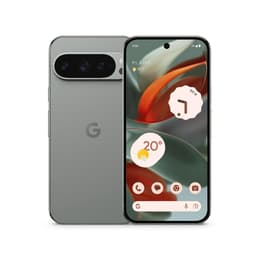
Galaxy S23 Ultra vs Google Pixel 9 Pro
- 1-year warranty
- Free standard shipping
- Free 30-day returns
Differences at a glance
The Samsung Galaxy S23 Ultra (2023) and the Google Pixel 9 Pro (2024) represent two distinct approaches to flagship smartphone design. While both devices offer high-end capabilities, they differ significantly in their physical footprint, software ecosystem, and specialized features. The Galaxy S23 Ultra runs on Samsung's customized interface built over Android, while the Pixel 9 Pro utilizes Google's clean implementation of the operating system. Understanding these core differences helps users determine which device aligns better with their daily routines.
Available Models
Colour
Storage
Scores
Durability
When evaluating long-term utility, software support and hardware longevity are key factors for both models.
- Software Support: The Google Pixel 9 Pro benefits from a multi-year update commitment extending through the next decade, while the Galaxy S23 Ultra receives several years of major operating system upgrades and security patches from its 2023 launch baseline.
- Repairability and Build: Both devices feature robust aluminum frames and reinforced glass construction, though individual repair scores vary by component availability and modular design practices across service networks.
Release year
2023
2024
Operating system
Android
Android
Foldable
No
No
Performance
Both smartphones deliver reliable speed for everyday tasks, though their hardware configurations handle demanding workloads differently.
- Multitasking and Apps: Both devices switch between intensive applications, media streaming, and web browsing smoothly without noticeable stutter or lag.
- Storage and Battery: Users can select from various storage configurations on both models, while battery performance adapts to typical daily use through power management systems that sustain operation across standard waking hours.
Screen quality
Display technology on both handsets delivers sharp text, vibrant colors, and smooth visual transitions.
- Display Technology: Both models utilize advanced OLED panels with high peak brightness levels, ensuring readability in direct sunlight and deep contrast for media viewing.
- Refresh Rates: Adaptive refresh rate technology dynamically adjusts smoothness based on on-screen content, balancing visual fluidity with power efficiency.
Resolution
1440 x 3088
1280x2856
Audiovisual
Imaging capabilities differ across lens configurations and automated processing styles on each device.
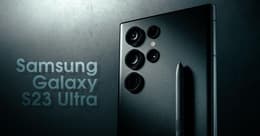
- Camera Systems: The Galaxy S23 Ultra includes a versatile multi-lens setup featuring high-resolution primary sensors and extensive zoom capabilities, whereas the Pixel 9 Pro focuses on computational photography and balanced everyday imagery.
- Video and Audio: Both devices record stable video across various lighting conditions, supported by clear internal microphones for calls and media capture.
Miscellaneous
Practical daily usability is shaped by physical dimensions, connectivity, and hardware integration.
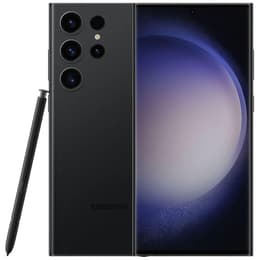
- Physical Handling: The Galaxy S23 Ultra features a larger, squared frame with an integrated stylus silo, while the Pixel 9 Pro offers a more rounded, compact form factor that rests easily in one hand.
- Connectivity: Both models support current 5G cellular networks, Wi-Fi standards, Bluetooth pairing protocols, and secure biometric authentication methods.
Weight
234 oz
199 oz
Screen size (in)
6.8
6.3
Network
5G
5G
SIM card
Dual Physical SIM + eSIM
Physical SIM + eSIM
Carrier compatibility
Unlocked
Unlocked
What the community thinks
Users prioritizing an integrated stylus, versatile long-range zoom capabilities, and a larger canvas will find the Galaxy S23 Ultra well-suited to their daily routines. Conversely, users who value a compact form factor, clean software interface, and extended update longevity may lean toward the Google Pixel 9 Pro. Choosing a quality-assured refurbished option provides an eco-friendly alternative that extends device life cycles while reducing electronic waste. Ultimately, selecting between these two flagships depends on individual preferences regarding physical size, camera philosophy, and software features.