
iPhone
Compare models
Differences at a glance
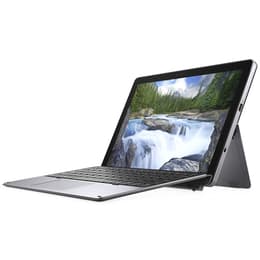
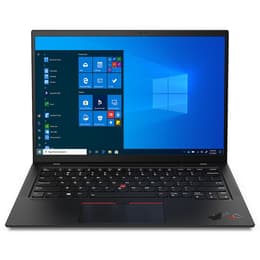
The Dell Latitude 7200 2-in-1, released in 2019, and the Lenovo ThinkPad X1 Carbon Gen 9, launched in early 2021, represent distinct approaches to portable computing. The Latitude 7200 is a versatile detachable tablet designed for flexibility, while the ThinkPad X1 Carbon Gen 9 is a traditional ultralight business laptop known for its robust build and performance. Both devices operate on the Windows operating system, but their form factors and core design philosophies cater to different user preferences and workflows.
The practical lifespan of these devices is influenced by their release timelines, build quality, and potential for software support. The Dell Latitude 7200 2-in-1, being an older model, will likely see its software support conclude sooner than the more recent ThinkPad X1 Carbon Gen 9.
Release year
Last Os Compatibility
Operating system
Performance capabilities differ between these two devices, primarily due to their generational gap in internal components and their intended use cases. The ThinkPad X1 Carbon Gen 9 generally offers more current processing power suitable for demanding tasks.
Graphic card
The display experience varies significantly between these two models, primarily in size, aspect ratio, and available panel technologies, catering to different visual preferences and work styles.
Resolution
Screen type
Both devices include integrated cameras and audio systems designed for communication and media consumption, with the ThinkPad X1 Carbon Gen 9 offering a more advanced audio experience.
Beyond core performance and display, several practical elements differentiate these two devices, including their physical design, connectivity options, and security features.
Weight
Screen size
User sentiment for the Dell Latitude 7200 2-in-1 often highlights its robust build quality and the convenience of its detachable 2-in-1 design, particularly for those who value tablet functionality alongside laptop capabilities. Some users appreciate its port selection, including Thunderbolt 3 and USB-A. Criticisms sometimes point to its battery life being less than some competitors and the display resolution not being as high as other premium tablets of its era. Its older generation processor also means it may not keep up with the most demanding modern applications as effectively as newer devices.
The Lenovo ThinkPad X1 Carbon Gen 9 generally receives praise for its exceptional portability, durable carbon fiber and magnesium alloy construction, and its comfortable keyboard, which is a hallmark of the ThinkPad line. Users frequently commend its long battery life, especially with the FHD+ display options, and the improved 16:10 aspect ratio display for productivity. Common criticisms include the 720p webcam quality, which some find to be average, and the soldered RAM limiting future upgrades. Some users also note the absence of an SD card slot.
Users prioritizing a flexible 2-in-1 form factor for presentations, note-taking, and light productivity, who also appreciate a traditional USB-A port, may find the Dell Latitude 7200 2-in-1 well-suited to their needs. Conversely, individuals who require a lightweight, durable, and high-performance traditional laptop for extensive typing, long workdays away from power, and modern connectivity will likely lean toward the Lenovo ThinkPad X1 Carbon Gen 9. Both devices offer a reliable Windows experience, and choosing a quality-assured refurbished option for either model can provide an eco-friendly alternative for budget-conscious users.