

Compare models

Galaxy S22 Ultra 5G vs iPhone 17 Pro

  • 1-year warranty
  • Free standard shipping
  • Free 30-day returns
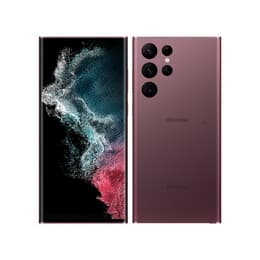
Galaxy S22 Ultra 5G
Starting at

Refurbished price:A$479.00

Versus A$1,349.00 new

See options
iPhone 17 Pro
Starting at

Refurbished price:A$1,591.20

Versus A$1,899.00 new

See options

Differences at a glance

The Samsung Galaxy S22 Ultra 5G (2022) and the Apple iPhone 17 Pro (2025) represent distinct approaches to high-end mobile engineering across different operating systems. While the Samsung model incorporates an integrated stylus and a multi-lens zoom system running on Android, the Apple model utilizes the iOS ecosystem with updated internal hardware and refined processing capabilities. The primary differentiators between these devices include their software ecosystems and distinct camera hardware arrangements, which shape how users interact with each phone daily.

Available Models

Colour

Storage (GB)

Scores

Durability

When evaluating longevity, both devices offer robust build quality, though their release years and software update schedules differ significantly.

  • Software Support Window: The iPhone 17 Pro benefits from a later release date, providing extended software updates and security patches compared to the Galaxy S22 Ultra 5G, which launched three years prior.
  • Repairability and Build: Both devices feature durable glass and metal construction designed to withstand daily wear, and choosing a quality-assured refurbished option extends their operational lifecycle while reducing electronic waste.
  • Battery Degradation: Both smartphones utilize modern battery health management features to maintain capacity over years of daily charging cycles.

Release year

2022

2025

Compatible with latest Update

Yes

Yes

Foldable

No

No

Performance

Performance capabilities vary based on internal architecture, impacting how each device handles intensive applications and daily multitasking.

  • App Loading and Multitasking: Both smartphones handle demanding mobile games, navigation tools, and productivity applications smoothly, switching between open tabs without noticeable slowdowns.
  • Storage and Memory: Various configuration tiers are available for both models, providing ample space for large media libraries, documents, and offline files.
  • Thermal Efficiency: The iPhone 17 Pro features recent thermal management improvements that sustain peak performance during extended gaming sessions, while the Galaxy S22 Ultra 5G handles heavy tasks effectively with occasional warmth during prolonged use.

Screen quality

Display technology on both devices delivers sharp visuals, vibrant color reproduction, and high contrast ratios suitable for media consumption.

  • Display Technology: Both models utilize advanced OLED panels that produce deep black levels and vivid colors, ensuring clear visibility for photos and videos.
  • Brightness and Outdoor Use: High peak brightness capabilities on both screens allow for comfortable readability under direct sunlight or bright ambient lighting conditions.
  • Refresh Rate and Smoothness: Adaptive refresh rates up to 120Hz ensure fluid scrolling through web pages, social media feeds, and user interface animations on both handsets.

Resolution

1440 x 3088

2622x1206

Screen type

Dynamic AMOLED 2X

Super Retina XDR

Audiovisual

Imaging hardware and software processing approaches differ, providing varied options for everyday photography and videography.

  • Zoom and Versatility: The Galaxy S22 Ultra 5G features dedicated periscope telephoto lenses designed for capturing distant subjects clearly, whereas the iPhone 17 Pro relies on its primary sensor crop and high-resolution telephoto capabilities.
  • Low-Light Photography: Both devices capture detailed images in challenging lighting conditions by automatically combining multiple exposures to reduce noise and preserve highlights.
  • Video Recording: Video capture on both smartphones includes advanced stabilization features and high-resolution options, making them reliable tools for recording smooth clips and audio.

Main camera

108 megapixels

48 megapixels

Front camera

40 megapixels

18 megapixels

Miscellaneous

Physical design elements and connectivity standards define how these devices integrate into daily routines and accessory ecosystems.

  • Build and Handling: The Galaxy S22 Ultra 5G offers a larger footprint with a built-in stylus compartment, while the iPhone 17 Pro provides a more compact, contoured chassis that fits easily into smaller pockets.
  • Connectivity Standards: Both models support 5G cellular networks, modern Wi-Fi protocols, and Bluetooth for reliable accessory pairing and fast data transfer.
  • Biometrics: Security features include fast facial recognition on the iPhone 17 Pro and an ultrasonic under-display fingerprint sensor on the Galaxy S22 Ultra 5G.

Weight

227 oz

206 oz

Screen size (in)

6.8

6.3

SIM card

Physical SIM + eSIM

eSIM

Carrier compatibility

Unlocked

Unlocked

What the community thinks

User feedback from online communities highlights distinct preferences for each device. Owners of the Galaxy S22 Ultra 5G frequently praise its integrated stylus functionality and versatile zoom range, which appeals to note-takers and photography enthusiasts. Conversely, users of the iPhone 17 Pro often highlight the fluid operating system integration, long battery endurance, and dependable video recording capabilities as major daily benefits. Common discussions often mention the larger size of the Samsung model as a consideration for one-handed use, while Apple users note the familiarity of the iOS interface. Users prioritizing deep productivity tools and stylus integration may prefer the Galaxy S22 Ultra 5G, while users prioritizing seamless ecosystem connectivity and video features will lean toward the iPhone 17 Pro. Selecting either model as a sustainable choice through a quality-assured refurbished option allows consumers to access premium features while supporting environmental responsibility. Ultimately, the decision depends on personal preference for operating systems and specific hardware features rather than a definitive performance gap.

Our recent comparisons