
Galaxy S22 Ultra 5G vs iPhone 16

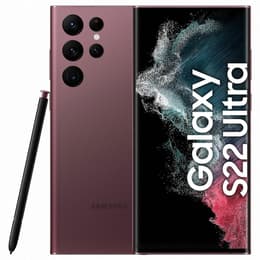
Galaxy S22 Ultra 5G
Galaxy S22 Ultra 5G
Starting at

Refurbished price:A$578.00

Versus A$1,619.00 new

See options
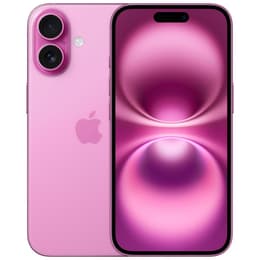
iPhone 16
iPhone 16
Starting at

Refurbished price:A$949.00

Versus A$1,399.00 new

See options

Ratings

The Samsung Galaxy S22 Ultra 5G, released in February 2022, and the Apple iPhone 16, launched in September 2024, represent different generations of flagship smartphones. While both offer premium experiences, the Galaxy S22 Ultra distinguishes itself with an integrated stylus and a versatile camera system, whereas the iPhone 16 focuses on a refined user experience and enhanced processing capabilities. Both devices operate on their respective ecosystems, Android for the S22 Ultra and iOS for the iPhone 16, each offering a distinct software environment.

Scores

Durability

The practical lifespan of a smartphone is significantly influenced by its release timeline and the duration of software support it receives.

  • Release Timeline: The Galaxy S22 Ultra 5G was introduced in February 2022, making it an older device compared to the iPhone 16, which was released in September 2024. This age difference impacts their remaining software support cycles.
  • Software Longevity: The Galaxy S22 Ultra typically receives four years of major Android operating system updates and five years of security updates from its release. The iPhone 16, being a more recent device, is guaranteed to receive a minimum of five years of software support from its launch date, extending its update timeline further into the future.
  • Practical Lifespan: Users prioritizing the longest possible software support and access to the latest operating system features will find the iPhone 16 offers a longer period of guaranteed updates. Both devices are built with durable materials and are rated for dust and water resistance, contributing to their physical longevity.

Release year

2022

2024

Compatible with latest Update

Yes

Yes

Foldable

No

No

Performance

Both devices are engineered to deliver smooth performance for daily tasks, though they approach processing power with different architectures and capabilities.

  • System Responsiveness: The iPhone 16, powered by a more recent chip, offers a significant speed boost and improved energy efficiency, resulting in highly responsive performance for multitasking and demanding applications. The Galaxy S22 Ultra, while older, still handles heavy tasks with confidence, providing a smooth user interface for most applications.
  • Multitasking and Storage: The iPhone 16 comes with 8GB of RAM, contributing to efficient app switching and background process management. The Galaxy S22 Ultra offers configurations with up to 12GB of RAM, which can be beneficial for extensive multitasking. Both devices offer various internal storage options, but neither supports expandable storage.
  • Battery Behavior: The iPhone 16 features an improved battery design, with users reporting it can comfortably last through a full day of varied use, including travel. The Galaxy S22 Ultra, equipped with a larger battery capacity, generally provides good battery life under typical Wi-Fi usage, though some users note faster drain when heavily relying on mobile data or 5G.

Memory (GB)

12 GB

8 GB

Screen quality

The visual experience on both smartphones is a highlight, featuring advanced display technologies designed for clarity and vibrant colors.

  • Display Technology and Clarity: The Galaxy S22 Ultra features a 6.8-inch Dynamic AMOLED 2X display with a high resolution of 1440 x 3088 pixels, resulting in a sharp pixel density of approximately 500 pixels per inch. The iPhone 16 sports a 6.1-inch Super Retina XDR OLED display with a resolution of 2556 x 1179 pixels, offering a pixel density of around 460 ppi. Both displays deliver deep blacks and vibrant colors.
  • Brightness and Outdoor Visibility: Both devices offer excellent brightness levels. The Galaxy S22 Ultra can reach a peak brightness of 1750 nits and includes Vision Booster technology to enhance visibility in bright outdoor conditions. The iPhone 16 features a typical maximum brightness of 1000 nits, with peak HDR brightness of 1600 nits, and can reach up to 2000 nits for outdoor peak brightness.
  • Refresh Rate and Smoothness: The Galaxy S22 Ultra boasts an adaptive refresh rate of up to 120Hz, which can scale down to 1Hz for static content, providing smooth scrolling and efficient power usage. The standard iPhone 16 model, however, maintains a 60Hz refresh rate, which provides a consistent visual experience for everyday tasks but does not offer the same fluidity as higher refresh rate displays.

Resolution

1440 x 3088

1179 x 2556

Screen type

Dynamic AMOLED 2X

Super Retina XDR OLED

Audiovisual

Both smartphones offer advanced camera systems capable of capturing high-quality photos and videos, though with different strengths and features.

  • Camera System Capabilities: The Galaxy S22 Ultra features a versatile quad-camera setup, including a 108MP main sensor, a 12MP ultrawide lens, a 10MP telephoto lens with 3x optical zoom, and a 10MP periscope telephoto lens offering 10x optical zoom. The iPhone 16 comes with an advanced dual-camera system, featuring a 48MP Fusion main camera that also enables 2x telephoto capabilities, and a 12MP ultrawide lens.
  • Photography Performance: The Galaxy S22 Ultra is praised for its exceptional zoom capabilities, allowing for detailed distant shots. The iPhone 16's 48MP main camera supports super-high-resolution photos and offers improved low-light performance, with users appreciating its photographic styles for editing.
  • Video Recording and Audio: Both devices are capable of high-quality video recording. The Galaxy S22 Ultra supports 8K video at 24fps and 4K at 30/60fps. The iPhone 16 records 4K Dolby Vision video at up to 60fps and offers slo-mo video up to 240fps. Both provide good microphone quality for calls and recording, and their speaker outputs are suitable for media consumption.

Main camera

108 megapixels

48 megapixels

Front camera

40 megapixels

12 megapixels

Miscellaneous

Beyond core performance, several practical elements contribute to the overall user experience and daily utility of these devices.

  • Connectivity and Ports: Both the Galaxy S22 Ultra and the iPhone 16 support 5G connectivity for fast mobile data. The iPhone 16 also includes Wi-Fi 7 and Bluetooth 5.3, offering more current wireless standards. The Galaxy S22 Ultra uses a USB-C port, as does the iPhone 16, though the iPhone 16's USB-C port operates at USB 2.0 speeds.
  • Unique Features and Sensors: A key differentiator for the Galaxy S22 Ultra is its integrated S-Pen, offering precise input for notes, drawing, and navigation with low latency. The iPhone 16 features the Dynamic Island for interactive alerts and background activities, along with a customizable Action button and a new Camera Control button. For biometric security, the S22 Ultra uses an in-display ultrasonic fingerprint reader, while the iPhone 16 relies on Face ID.
  • Design and Handling: The Galaxy S22 Ultra has a larger, more squared-off design, measuring 163.3 x 77.9 x 8.9 mm and weighing around 228-229g. The iPhone 16 is more compact at 147.6 x 71.6 x 7.8 mm and lighter at 170g. Both devices feature IP68 dust and water resistance and durable glass and aluminum constructions.

Weight

227 oz

170 oz

Screen size (in)

6.8

6.1

SIM card

Physical SIM + eSIM

Physical SIM + eSIM

Carrier compatibility

Unlocked

Unlocked

User feedback for the Galaxy S22 Ultra often highlights its exceptional camera zoom capabilities and the utility of the integrated S-Pen as significant advantages. Many appreciate its large, vibrant display and robust performance for demanding tasks. Common criticisms sometimes point to the curved display leading to accidental touches and, for some, battery performance on mobile data.

The iPhone 16 receives praise for its smooth iOS experience, improved battery life over previous generations, and its capable camera system, particularly for general photography and low-light conditions. The Dynamic Island and the new Action button are also frequently mentioned as positive additions. A recurring point of discussion among users is the standard 60Hz refresh rate on the base model's display, which some find less fluid compared to devices with higher refresh rates.

Users prioritizing a highly versatile camera with extensive zoom, an integrated stylus for productivity, and a large, high-resolution display may find the Galaxy S22 Ultra well-suited to their needs. Conversely, those who value a longer software support timeline, a highly optimized and responsive operating system, and a more compact form factor with strong general photography capabilities will likely lean towards the iPhone 16. Both devices offer a quality-assured refurbished option, providing an eco-friendly alternative for consumers.
See all articles

Our recent comparisons