
Compare models
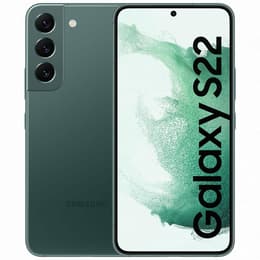
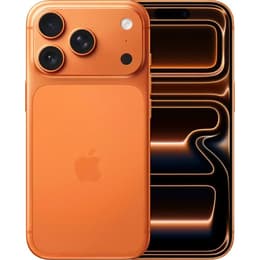
Galaxy S22 5G vs iPhone 17 Pro
- 1-year warranty
- Free standard shipping
- Free 30-day returns
Differences at a glance
The Samsung Galaxy S22 5G (2022) and the Apple iPhone 17 Pro (2025) represent different generations and ecosystems within the smartphone market. While the Galaxy S22 5G serves as a compact flagship from an earlier product cycle, the iPhone 17 Pro introduces newer innovations in processing power, materials, and internal architecture. These devices operate on different software platforms, namely Android and iOS, which heavily shape the user experience. The main differentiators between the two include age, release year, processing capacity, and ecosystem preference.
Available Models
Colour
Storage (GB)
Scores
Durability
When examining hardware longevity and software support, both devices handle updates differently based on their respective release schedules and manufacturer policies.
- Software support timeline: The iPhone 17 Pro benefits from a later release year, positioning it to receive Apple operating system updates for a significantly longer window than the Galaxy S22 5G.
- Repairability and build: Both models utilize durable glass and metal frames, though independent repair availability varies by region, with standard component replacements accessible through certified service networks.
- Practical lifespan: Users can expect several more years of active security updates and software features from the newer Apple model compared to its Samsung counterpart, which entered the market three years prior.
Release year
2022
2025
Compatible with latest Update
Yes
Yes
Foldable
No
No
Performance
Performance capabilities vary noticeably due to the generational gap between the processing architecture of each device.
- Everyday responsiveness: The iPhone 17 Pro manages demanding applications, heavy multitasking, and modern mobile games with high thermal efficiency and rapid loading times, while the Galaxy S22 5G handles standard daily tasks and casual applications smoothly.
- Storage and memory: Both smartphones offer various internal storage configurations without expandable memory support, requiring users to select their capacity tier at purchase.
- Battery behavior: The Galaxy S22 5G features a smaller battery capacity that typically requires a recharge by the end of a heavy usage day, whereas the iPhone 17 Pro benefits from modern power efficiency to sustain longer operational hours under similar workloads.
Screen quality
Display technology on both devices delivers sharp visuals, though differences in peak brightness and refresh rate capabilities impact outdoor and multimedia usage.
- Display panels: Both models utilize high-contrast organic display technology with deep black levels and vibrant color reproduction, ensuring clear text and media consumption.
- Refresh rate and smoothness: Both devices support adaptive high refresh rates, providing fluid scrolling through web pages and smooth animations within the user interface.
- Outdoor visibility: The iPhone 17 Pro features higher peak outdoor brightness levels compared to the Galaxy S22 5G, making on-screen content easier to read under direct sunlight.
Resolution
1080 x 2340
2622x1206
Screen type
Dynamic AMOLED 2X
Super Retina XDR
Audiovisual
Imaging hardware and audio output vary between the two devices, reflecting different approaches to mobile photography and media playback.
- Camera systems: The Galaxy S22 5G includes a triple-lens setup with dedicated optical zoom, whereas the iPhone 17 Pro utilizes a multi-sensor configuration optimized for high-resolution detail capture, versatile focal lengths, and advanced computational photography in low-light environments.
- Video recording: The iPhone 17 Pro offers robust stabilization formats and cinematic recording options, while the Galaxy S22 5G records steady high-definition footage suitable for casual sharing.
- Audio delivery: Both smartphones feature stereo speaker setups that produce clear dialogue and balanced sound for media playback, alongside standard microphone arrays for calls and voice recording.
Main camera
50 megapixels
48 megapixels
Front camera
10 megapixels
18 megapixels
Miscellaneous
Practical day-to-day features, physical dimensions, and connectivity options define how each device handles physical handling and network integration.
- Connectivity standards: Both models support global 5G networks, modern Wi-Fi protocols, and Bluetooth standards for reliable peripheral pairing and fast wireless data transfer.
- Biometrics and security: The Galaxy S22 5G relies on an in-display fingerprint sensor and facial recognition, while the iPhone 17 Pro utilizes advanced 3D facial authentication.
- Physical dimensions: The Galaxy S22 5G offers a noticeably lighter and more compact physical footprint for single-handed use, whereas the iPhone 17 Pro has a slightly heavier build with durable composite frame materials.
Weight
195 oz
206 oz
Screen size (in)
6.6
6.3
SIM card
Physical SIM + eSIM
eSIM
Carrier compatibility
Unlocked
Unlocked
Connector
USB-C
USB-C
What the community thinks
User feedback from public forums highlights several distinct patterns for both devices. Owners of the Galaxy S22 5G frequently praise its comfortable, compact form factor and manageable size for single-handed navigation, though some users note that heavy multitasking or extended gaming sessions require more frequent battery recharges. On the other hand, owners of the iPhone 17 Pro often highlight its reliable all-day battery endurance, dependable system stability, and responsive interface, though some mention its heavier weight in the hand.
Users prioritizing a lightweight, highly pocketable device with Android software flexibility may find the Galaxy S22 5G well-suited to their preferences. Conversely, users prioritizing extended software longevity, higher processing headroom for demanding tasks, and seamless integration within the iOS ecosystem may lean toward the iPhone 17 Pro. For those seeking a sustainable choice, a quality-assured refurbished option provides a reliable way to acquire either model while reducing electronic waste.