
Galaxy S21 5G vs iPhone 16

Galaxy S21 5G
Galaxy S21 5G
Starting at

Refurbished price:A$318.00

Versus A$1,369.00 new

See options
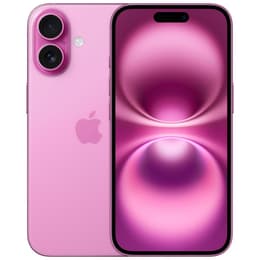
iPhone 16
iPhone 16
Starting at

Refurbished price:A$952.00

Versus A$1,399.00 new

See options

Ratings

The Samsung Galaxy S21 5G, released in January 2021, and the Apple iPhone 16, launched in September 2024, represent different generations of flagship smartphones. While both offer robust mobile experiences, the significant time difference between their releases introduces key distinctions in performance, software longevity, and camera capabilities. The Galaxy S21 operates on the Android ecosystem, offering a customizable interface, whereas the iPhone 16 runs on Apple's iOS, known for its integrated services and consistent user experience.

Scores

Durability

The lifespan and ongoing support for these devices differ considerably due to their respective release dates.

  • Release Timeline: The Galaxy S21 5G was unveiled in January 2021 and released later that month, making it a device that has been on the market for several years. In contrast, the iPhone 16 was announced in September 2024 and became available shortly after, positioning it as a much newer device.
  • Software Longevity: The Galaxy S21 5G launched with Android 11 and has received several major Android updates, but is nearing the end of its guaranteed major OS upgrade cycle from Samsung. The iPhone 16, launching with iOS 18, benefits from Apple's typically longer software support, ensuring it will receive updates for many more years, including the current iOS 26.4.
  • Repairability: The Galaxy S21 5G has been noted for a moderate repairability score, with some components being modular but the battery often difficult to remove due to strong adhesive. Information on the iPhone 16's repairability is still emerging, but Apple has generally made efforts to improve repair access in recent models.

Release year

2021

2024

Compatible with latest Update

Yes

Yes

Foldable

No

No

Performance

Performance is a key area where the generational gap between these two smartphones is most apparent.

  • Processing Power: The Galaxy S21 5G is powered by an octa-core processor, either the Snapdragon 888 or Exynos 2100, which were flagship-tier at its release and capable of handling demanding applications and multitasking smoothly. The iPhone 16 features Apple's A18 chip, which includes a 6-core CPU and a 5-core GPU, designed for enhanced performance and efficiency, particularly for advanced tasks and AI-related functions. This newer chip offers a significant leap in raw processing power and graphical capabilities compared to the S21's older hardware.
  • Multitasking and Storage: Both devices offer 8GB of RAM, which is sufficient for smooth multitasking and running multiple applications simultaneously. The Galaxy S21 5G comes with 128GB or 256GB storage options. The iPhone 16 provides more flexibility with 128GB, 256GB, and 512GB storage configurations.
  • Battery Behavior: The Galaxy S21 5G is equipped with a 4000 mAh battery, generally providing a full day of moderate use. The iPhone 16, with a 3561 mAh battery, benefits from a more power-efficient processor and software optimizations, leading to improved battery life compared to its predecessors, often lasting a full day with some charge remaining.

Memory (GB)

8 GB

8 GB

Screen quality

The visual experience offered by both devices is distinct, influenced by their display technologies and specifications.

  • Display Technology and Clarity: The Galaxy S21 5G features a 6.2-inch Dynamic AMOLED 2X display, known for its vibrant colors, deep blacks, and excellent contrast. It offers a resolution of 1080 x 2400 pixels, resulting in a pixel density of 421 ppi. The iPhone 16 comes with a 6.1-inch Super Retina XDR OLED display, providing sharp visuals with a resolution of 2556 x 1179 pixels and a pixel density of 460 ppi.
  • Refresh Rate and Brightness: A notable difference is the refresh rate; the Galaxy S21 5G boasts a 120Hz adaptive refresh rate for smoother scrolling and animations. The base iPhone 16 model, however, maintains a standard 60Hz refresh rate. In terms of brightness, the S21 5G reaches a peak of 1300 nits. The iPhone 16 offers higher peak brightness, reaching 1000 nits typical and up to 2000 nits for outdoor visibility, enhancing readability in bright conditions.
  • Viewing Experience: Both displays offer HDR support for enhanced dynamic range in compatible content. The S21's slightly larger screen and higher refresh rate may appeal to users prioritizing fluid motion, while the iPhone 16's higher peak brightness and pixel density contribute to a very clear and vibrant viewing experience, especially outdoors.

Resolution

1080 x 2400

1179 x 2556

Screen type

Dynamic AMOLED 2X

Super Retina XDR OLED

Audiovisual

Both smartphones offer capable camera systems, but with different configurations and computational photography approaches.

  • Rear Camera Systems: The Galaxy S21 5G features a versatile triple-camera setup on the rear, including a 12MP wide-angle lens with optical image stabilization (OIS), a 64MP telephoto lens with 3x hybrid zoom and OIS, and a 12MP ultrawide lens. It is capable of recording 8K video. The iPhone 16 sports an advanced dual-camera system, comprising a 48MP 'Fusion Main' camera with sensor-shift OIS and a 12MP ultrawide camera with a wider aperture, autofocus, and macro capabilities. The main camera also enables a 2x telephoto option by cropping the high-resolution sensor.
  • Photography Performance: The S21's camera system provides good detail and color reproduction, with its telephoto lens offering significant zoom capabilities. Its video recording is also highly regarded. The iPhone 16's camera benefits from Apple's computational photography, offering strong low-light performance, improved detail, and features like Smart HDR 5 and Photonic Engine. The ultrawide camera on the iPhone 16 also sees improvements in low-light capture and gains macro photography capabilities.
  • Front Camera and Video: Both devices include a 10MP front camera on the S21 5G and a 12MP front camera on the iPhone 16, suitable for high-quality selfies and video calls. The iPhone 16 also introduces vertical camera alignment, enabling spatial video capture.

Main camera

12 megapixels

48 megapixels

Front camera

10 megapixels

12 megapixels

Miscellaneous

Beyond core specifications, several practical features and design elements differentiate these two devices.

  • Connectivity and Ports: Both smartphones support 5G connectivity, ensuring access to the latest mobile network speeds. The Galaxy S21 5G uses Wi-Fi 6 and Bluetooth 5.1, with a USB-C port for charging and data transfer. The iPhone 16 upgrades to Wi-Fi 7 and Bluetooth 5.3, also featuring a USB-C port, though with USB 2.0 speeds for data transfer on the base model.
  • Biometrics and Design: The Galaxy S21 5G utilizes an in-display fingerprint sensor for secure unlocking. The iPhone 16 relies on Face ID, Apple's facial recognition system. In terms of build, the S21 5G features a plastic back with an aluminum frame and Gorilla Glass Victus on the front. The iPhone 16 has an aluminum design with a Ceramic Shield front and a color-infused glass back, offering enhanced durability.
  • Physical Attributes and Unique Features: The Galaxy S21 5G measures 151.7 x 71.2 x 7.9 mm and weighs 171g. The iPhone 16 is slightly more compact at 147.6 x 71.6 x 7.8 mm and weighs 170g. The iPhone 16 also introduces the Action button and a new Camera Control button, offering customizable shortcuts and quick camera access. Both devices carry an IP68 rating for dust and water resistance.

Weight

169 oz

170 oz

Screen size (in)

6.2

6.1

Network

5G

5G

SIM card

Physical SIM + eSIM

Physical SIM + eSIM

Carrier compatibility

Unlocked

Unlocked

Connector

USB-C

USB-C (USB 2)

The Samsung Galaxy S21 5G and the iPhone 16 cater to different user priorities, largely due to the generational gap between their releases. The Galaxy S21 5G, as an older flagship, is often praised by users for its still-capable camera system, vibrant AMOLED display with a 120Hz refresh rate, and the flexibility of the Android operating system. Some users appreciate its design and the overall value it continues to offer. However, common concerns for an older device include its diminishing software update longevity and potentially reduced battery performance compared to newer models.

The iPhone 16, being a much newer device, receives acclaim for its significantly more powerful processor, extended software support, and advanced computational photography features, including improved low-light performance and new macro capabilities on its ultrawide camera. Users also value its enhanced display brightness and the integrated iOS ecosystem. Criticisms, if any, often revolve around the base model retaining a 60Hz display refresh rate, which some users might find less fluid compared to higher refresh rate screens on other devices.

Users prioritizing long-term software support, cutting-edge performance for demanding applications, and the latest camera innovations will find the iPhone 16 well-suited to their needs. Its robust build and integrated Apple Intelligence features also appeal to those seeking a highly polished and secure experience. Conversely, users who prefer the Android ecosystem, value a high refresh rate display, and are looking for a device that still performs well for everyday tasks may find the Galaxy S21 5G a suitable option. For those considering a sustainable choice, both models are available as quality-assured refurbished options, extending their lifecycle and reducing electronic waste.
See all articles

Our recent comparisons