

Compare models
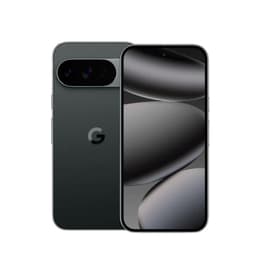
Google Pixel 10 Pro XL vs iPhone 17 Pro
- 1-year warranty
- Free standard shipping
- Free 30-day returns
Differences at a glance
The Google Pixel 10 Pro XL (2025) and the Apple iPhone 17 Pro (2025) represent two distinct approaches to high-end smartphone engineering, catering to ecosystem preferences across Android and iOS. While both devices occupy the premium tier of their respective lineups, they differ fundamentally in display proportions, software environments, and daily interaction models. Choosing between them depends on how you balance mobile operating systems, physical footprint, and tailored hardware features.
Available Models
Colour
Storage (GB)
Scores
Durability
Both handsets are engineered for multi-year usage, though they approach software maintenance and physical longevity through different structural frameworks.
- Software Support Longevity: Both manufacturers provide long-term operating system upgrades and security patches spanning multiple years, ensuring both devices remain secure and current throughout their practical lifecycles.
- Repairability and Build Integrity: Each device utilizes robust frame materials and hardened glass protection designed to withstand daily wear, complemented by structured repair programs that facilitate component replacements when needed.
- Expected Lifespan: Thanks to high-capacity internal batteries and efficient resource management, both models maintain stable performance profiles suited for prolonged, multi-year ownership.
Release year
2025
2025
Operating system
Android
iOS
Foldable
No
No
Performance
Handling demanding workloads, everyday multitasking, and background app management, these devices utilize advanced internal architectures to deliver smooth daily operation.
- Multitasking and System Responsiveness: Generous random access memory configurations on both handsets allow seamless switching between intensive applications, media editing tools, and web browsing sessions without noticeable stutter.
- Battery Behavior: Each device incorporates power-efficient components and optimized battery scaling to sustain typical usage patterns throughout a full day, supported by rapid charging capabilities.
- Storage Ecosystems: Multiple spacious internal storage tiers accommodate large media libraries, offline documents, and high-resolution video files without requiring constant file management.
Screen quality
Visual immersion and panel clarity differ notably in physical scale while maintaining high baseline standards for outdoor visibility and color accuracy.
- Display Technology and Size: The Google Pixel 10 Pro XL features a spacious 6.8-inch OLED panel suited for media consumption, whereas the iPhone 17 Pro offers a compact 6.3-inch Super Retina XDR display designed for single-handed navigation.
- Refresh Rate and Fluidity: Both models implement adaptive refresh rates scaling up to 120Hz, ensuring fluid scrolling through feeds, documents, and interactive software.
- Outdoor Legibility: High peak brightness capabilities on both screens allow content to remain clearly visible even under direct sunlight.
Resolution
1344x2992
2622x1206
Audiovisual
Comprehensive multi-lens rear camera arrays and high-resolution front sensors give both devices strong capabilities for photography, video capture, and media creation.
- Photography Performance: Both systems excel at capturing detailed images across diverse lighting conditions, utilizing computational photography to balance highlights and shadows in high-contrast environments.
- Video Recording: Each model supports stable high-resolution video capture accompanied by clear multi-microphone audio recording for vlogs, calls, and home videos.
- Media Playback: Built-in stereo speaker systems deliver balanced audio output for podcasts, casual video streaming, and hands-free communication.
Miscellaneous
Connectivity standards, physical dimensions, and security authentication methods define the physical interaction experience of each smartphone.
- Biometric Authentication: Users can secure their data using responsive facial recognition or integrated fingerprint sensors depending on the preferred unlock method of each ecosystem.
- Connectivity and Ports: Both devices support current-generation wireless networks, rapid Wi-Fi standards, and universal USB-C connectivity for charging and data transfer.
- Handling and Form Factor: The iPhone 17 Pro provides a lighter, more compact profile suited for pocketability, while the Google Pixel 10 Pro XL offers a wider canvas for users who prefer expansive screen real estate.
Weight
232 oz
206 oz
Screen size (in)
6.8
6.3
Network
5G
5G
SIM card
Physical SIM + eSIM
eSIM
Carrier compatibility
Unlocked
Unlocked
What the community thinks
User discussions across community forums highlight distinct points of praise for each device. Owners of the Google Pixel 10 Pro XL frequently commend its expansive display, flexible software customization options, and advanced photo editing features. Conversely, iPhone 17 Pro users often praise its refined build quality, compact ergonomics, and seamless integration within the broader Apple ecosystem. Common discussions for both models occasionally note that heavy processing tasks can generate warmth during extended sessions, a standard characteristic of high-performance mobile hardware.
Users prioritizing a large viewing canvas, flexible file management, and deep artificial intelligence integration will find the Google Pixel 10 Pro XL well-suited to their daily routines. Meanwhile, users prioritizing a compact physical footprint, optimized single-handed usability, and iOS continuity may lean toward the iPhone 17 Pro. For buyers seeking a sustainable choice, opting for a quality-assured refurbished option through platforms like Back Market provides an eco-friendly alternative that reduces electronic waste without compromising on functional capability.