Galaxy S20 FE vs iPhone SE (2022)

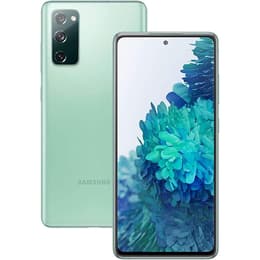
Galaxy S20 FE
Galaxy S20 FE
Starting at

Refurbished price:A$268.29

Versus A$578.00 new

See options
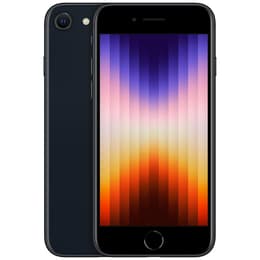
iPhone SE (2022)
iPhone SE (2022)
Starting at

Refurbished price:A$206.00

Versus A$719.00 new

See options

Ratings

The Samsung Galaxy S20 FE, released in October 2020, and the iPhone SE (2022), launched in March 2022, represent distinct approaches to smartphone design and functionality. While the Galaxy S20 FE offers a larger display and a more versatile camera system within the Android ecosystem, the iPhone SE (2022) provides a compact form factor and the powerful performance of Apple's A15 Bionic chip, running on iOS. These devices cater to different user preferences, primarily differing in their operating systems, screen sizes, and camera capabilities.

Scores

Durability

When considering the practical lifespan of these devices, their release timelines and software support cycles are key factors. The Samsung Galaxy S20 FE, released in October 2020, received major Android OS upgrades up to Android 13 and its software support officially ended in November 2025. This means users should not expect further official software updates, though the device remains functional. The iPhone SE (2022), launched in March 2022, runs on iOS and typically receives software updates for a longer duration than many Android devices, extending its usable life through continued feature and security updates.

  • Software Longevity: The iPhone SE (2022) is expected to receive iOS updates for a longer period, offering extended software support compared to the Galaxy S20 FE, whose official software support concluded in late 2025.
  • Build Durability: Both devices offer a degree of water and dust resistance, with the Galaxy S20 FE featuring an IP68 rating and the iPhone SE (2022) an IP67 rating. The iPhone SE (2022) also incorporates Ceramic Shield protection on its front glass for enhanced durability.
  • Repairability: While specific repairability scores can vary, both devices are designed with modern smartphone construction, meaning professional repair is generally recommended for significant damage.

Release year

2020

2022

Compatible with latest Update

No

Yes

Operating system

Android

iOS

Foldable

No

No

Performance

Performance is a significant differentiator, with both devices offering capable hardware for their respective operating systems. The Galaxy S20 FE (5G variant) is powered by a processor known for handling demanding applications and multitasking smoothly, while the iPhone SE (2022) features a more recent and powerful chip from Apple, ensuring exceptional speed and efficiency.

  • Processing Power: The iPhone SE (2022) benefits from a current-generation Apple chip, providing very fast performance for everyday tasks, gaming, and intensive applications. The Galaxy S20 FE, particularly the Snapdragon 865 variant, also delivers strong performance, capable of running most apps and games without significant slowdowns.
  • Multitasking and Storage: The iPhone SE (2022) comes with 4GB of RAM, which is sufficient for smooth multitasking within iOS. The Galaxy S20 FE offers 6GB or 8GB of RAM, providing ample capacity for running multiple applications simultaneously on Android. The Galaxy S20 FE also includes a microSDXC slot for expandable storage up to 1TB, a feature not present on the iPhone SE (2022).
  • Battery Behavior: The Galaxy S20 FE houses a larger 4500 mAh battery, generally providing a full day of use for many users. The iPhone SE (2022) has a smaller 2018 mAh battery, which, combined with its efficient processor, offers adequate battery life for its compact size, though heavy users may require more frequent charging.

Memory (GB)

6 GB

4 GB

Screen quality

The visual experience on these two smartphones differs significantly due to their display technologies and sizes. The Galaxy S20 FE offers a larger, more vibrant display with a higher refresh rate, while the iPhone SE (2022) maintains a compact screen with a traditional design.

  • Display Technology and Size: The Galaxy S20 FE features a 6.5-inch Super AMOLED display, known for its deep blacks, vibrant colors, and excellent contrast. The iPhone SE (2022) has a smaller 4.7-inch Retina HD (IPS LCD) display, which provides accurate colors and good brightness.
  • Resolution and Clarity: The Galaxy S20 FE offers a Full HD+ resolution of 1080 x 2400 pixels, resulting in sharp images and text. The iPhone SE (2022) has a resolution of 1334 x 750 pixels, which is clear for its size, though not as pixel-dense as the S20 FE.
  • Refresh Rate and Brightness: A key advantage of the Galaxy S20 FE is its 120Hz refresh rate, providing noticeably smoother scrolling and animations. The iPhone SE (2022) uses a standard 60Hz refresh rate. Both devices offer good brightness levels for outdoor visibility, with the iPhone SE (2022) reaching 625 nits.

Resolution

1080 x 2400

750 x 1334

Screen type

Super AMOLED

Retina IPS LCD

Audiovisual

The camera systems on the Galaxy S20 FE and iPhone SE (2022) cater to different photographic needs, with the Samsung device offering more versatility through multiple lenses, while the iPhone focuses on a single, high-quality main sensor.

  • Rear Camera System: The Galaxy S20 FE boasts a triple-camera setup, including a 12MP wide lens with optical image stabilization (OIS), a 12MP ultrawide lens, and an 8MP telephoto lens with 3x optical zoom and OIS, providing a range of photographic options. The iPhone SE (2022) features a single 12MP wide camera with OIS, relying on its powerful processor for image processing enhancements like Smart HDR 4 and Deep Fusion.
  • Low-Light and Video Performance: Both phones are capable of recording 4K video at up to 60 frames per second. The Galaxy S20 FE's main camera performs well in low-light conditions, though some users note its ultrawide performance is less consistent. The iPhone SE (2022), despite its single lens, leverages its processing power for good low-light photo quality.
  • Front Camera and Audio: The Galaxy S20 FE has a high-resolution 32MP front camera, capable of 4K video recording. The iPhone SE (2022) features a 7MP front camera with Portrait Mode. Both devices offer stereo speakers for media consumption, and their microphones provide clear audio for calls and recordings.

Main camera

12 megapixels

12 megapixels

Front camera

32 megapixels

7 megapixels

Miscellaneous

Beyond core features, several practical elements contribute to the overall user experience of these smartphones, from connectivity to physical design.

  • Connectivity and Ports: Both devices support 5G connectivity, with the iPhone SE (2022) supporting sub-6GHz 5G and the Galaxy S20 FE (5G variant) also offering 5G capabilities. They both include Wi-Fi 6 and Bluetooth 5.0 for modern wireless connections. The Galaxy S20 FE uses a USB-C 3.2 port, while the iPhone SE (2022) uses Apple's proprietary Lightning port.
  • Biometrics and Design: The iPhone SE (2022) retains the classic home button with Touch ID for fingerprint authentication. The Galaxy S20 FE features an optical in-screen fingerprint sensor. In terms of build, the Galaxy S20 FE has a glass front (Gorilla Glass 3), a plastic back, and an aluminum frame, available in a variety of colors. The iPhone SE (2022) has a glass front and back with an aluminum frame.
  • Dimensions and Handling: The iPhone SE (2022) is significantly more compact and lighter, measuring 138.4 x 67.3 x 7.3 mm and weighing 144g, making it ideal for one-handed use and smaller pockets. The Galaxy S20 FE is larger at 159.8 x 74.5 x 8.4 mm and weighs 190g, offering a more expansive screen experience.

Weight

190 oz

144 oz

Screen size (in)

6.5

4.7

SIM card

Physical SIM

Physical SIM + eSIM

Carrier compatibility

Unlocked

Unlocked

The Samsung Galaxy S20 FE and iPhone SE (2022) cater to distinct user preferences, each with its own set of strengths and considerations. Users often praise the Galaxy S20 FE for its vibrant, large 120Hz AMOLED display, versatile triple-camera system, and robust battery life, especially the Snapdragon-powered variants. However, some criticisms include its 'glasstic' back material and the optical fingerprint sensor being less responsive than some alternatives.

Conversely, the iPhone SE (2022) is frequently lauded for its exceptionally powerful processor, compact design, and the familiarity and security of the iOS ecosystem with Touch ID. Common points of concern for users include its dated design with thick bezels, smaller display, and the limitations of a single rear camera. The base 64GB storage option is also often cited as potentially insufficient for many users in the long term.

Users prioritizing a large, high-refresh-rate display, a multi-lens camera system for varied photography, and expandable storage may find the Galaxy S20 FE better suited to their needs. Those who value a compact form factor, top-tier processing power for demanding apps, and the long-term software support of iOS will likely lean towards the iPhone SE (2022). Both devices offer a quality-assured refurbished option, providing an eco-friendly alternative for consumers looking to make a sustainable choice.

See all articles

Our recent comparisons