iPhone
Compare models
Differences at a glance
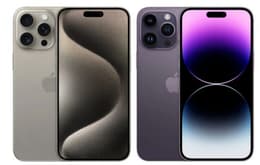
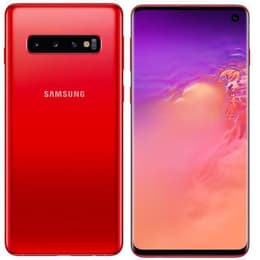
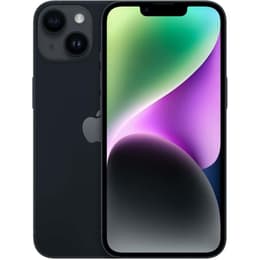
The Samsung Galaxy S10, released in March 2019, and the iPhone 14, launched in September 2022, represent different generations from two prominent smartphone manufacturers. While both are premium devices, the iPhone 14 offers a more recent hardware and software experience, whereas the Galaxy S10 provides a feature set that was advanced for its time. This comparison will highlight the practical differences in their longevity, performance, display, camera capabilities, and other features to help users make an informed decision.
Colour
Storage
When considering the practical lifespan of a smartphone, factors like software support, physical durability, and repairability play a significant role. The age difference between these two models is a primary differentiator.
Release year
Compatible with latest Update
Operating system
Foldable
The performance of a smartphone directly impacts daily usability, from launching applications to handling demanding tasks. The significant time difference between the release of these two devices means a notable gap in their processing capabilities.
The display is a primary interface for any smartphone, and both the Galaxy S10 and iPhone 14 offer high-quality viewing experiences, though with some distinctions in technology and capabilities.
Resolution
Screen type
Camera capabilities are a significant consideration for many users, and both the Galaxy S10 and iPhone 14 offer capable systems, albeit with different approaches and generational advancements.
Main camera
Front camera
Beyond the core specifications, several practical elements contribute to the overall user experience and can influence a purchasing decision.
Weight
Screen size (in)
Network
SIM card
Carrier compatibility
The Samsung Galaxy S10 and iPhone 14 cater to different user expectations, largely due to their respective release timelines. The Galaxy S10, launched in 2019, was a flagship device offering a comprehensive feature set for its era, including a versatile camera system, a high-resolution AMOLED display, and expandable storage. Users often praised its inclusion of a headphone jack and microSD card slot, which provided greater flexibility. Some common criticisms, however, revolved around its battery life for heavy users and the eventual cessation of major software updates.
The iPhone 14, released in 2022, represents a more modern smartphone experience with a focus on enhanced performance, improved computational photography, and advanced safety features. Users appreciate its fluid operating system, consistent performance, and the longevity of software support. Some users might note its 60Hz display refresh rate as a point of comparison to other contemporary devices, and the absence of a physical SIM tray in some regions.
Users prioritizing the latest software experience, enhanced camera capabilities, and a longer period of security updates may find the iPhone 14 to be a more suitable choice. Its robust performance and safety features align well with those seeking a device for several years of consistent use. Conversely, users who value features like a 3.5mm headphone jack, expandable storage, and a slightly lighter build might still find the Galaxy S10 appealing for its practical utility, especially if their usage patterns are less demanding. Both devices, whether new or as quality-assured refurbished options, offer reliable smartphone experiences for different user needs.