
Compare models
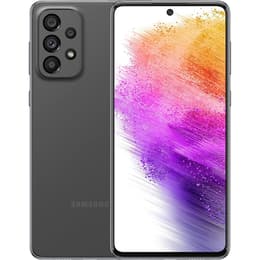
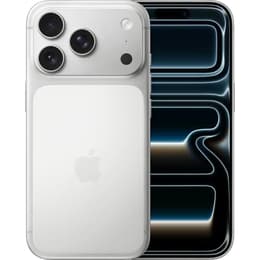
Galaxy A73 5G vs iPhone 17 Pro
- 1-year warranty
- Free standard shipping
- Free 30-day returns
Differences at a glance
The Samsung Galaxy A73 5G (2022) and the Apple iPhone 17 Pro (2025) are distinctive smartphones operating on different software ecosystems, namely Android and iOS. These devices hail from different release years and cater to distinct segments of mobile technology. While the Galaxy A73 5G focuses on providing a large-format display and balanced everyday utility within the mid-range Android landscape, the iPhone 17 Pro delivers high-end processing power, advanced materials, and an integrated Apple software experience. Understanding how their practical features compare helps clarify which device fits specific daily workflows.
Available Models
Colour
Storage
Scores
Durability
When examining longevity and build endurance, both models approach software support and hardware durability differently based on their respective launch timelines and engineering standards.
- Software lifecycle and updates: The iPhone 17 Pro benefits from a later release year and Apple's extended support window, receiving long-term operating system updates. The Galaxy A73 5G features a multi-year update schedule that aligns with standard Android mid-range support.
- Repairability and physical resilience: Both devices incorporate dust and water resistance ratings, though the iPhone 17 Pro utilizes titanium and ceramic-shield glass materials for its exterior chassis, whereas the Samsung model relies on reinforced polymer and glass construction.
- Expected practical lifespan: The iPhone 17 Pro maintains performance headroom for future software demands, while the Galaxy A73 5G provides reliable longevity for users with standard daily communication and media needs.
Release year
2022
2025
Compatible with latest Update
Yes
Yes
Operating system
Android
iOS
Foldable
No
No
Performance
System responsiveness and everyday operation vary significantly between these two devices, shaped by their internal hardware architectures and memory configurations.
- Multitasking and app execution: The iPhone 17 Pro handles demanding applications, intensive 3D gaming, and heavy background multitasking smoothly through its advanced current-generation processor and ample RAM. The Galaxy A73 5G manages routine applications, web browsing, and casual gaming reliably with its efficient mid-range processor.
- Storage configurations: Both smartphones offer spacious internal storage options to accommodate photos, media, and applications, though the Samsung model additionally includes expandable storage via a microSD card slot.
- Battery efficiency and endurance: The Galaxy A73 5G features a large capacity battery that easily sustains standard daily use, while the iPhone 17 Pro balances robust battery life with high power efficiency under heavy workflows.
Screen quality
Viewing experiences differ across these devices due to variations in display technology, physical dimensions, and refresh rate implementations.
- Display technology and clarity: The Galaxy A73 5G features a spacious Super AMOLED+ display with vibrant color reproduction and high sharpness, whereas the iPhone 17 Pro utilizes an advanced LTPO OLED panel with deep contrast and precise color accuracy.
- Outdoor visibility and brightness: The iPhone 17 Pro reaches exceptionally high peak outdoor brightness levels for clear visibility under direct sunlight, while the Galaxy A73 5G offers comfortable viewing brightness for typical outdoor conditions.
- Refresh rate and smoothness: Both devices support high refresh rates, ensuring smooth scrolling through web pages, fluid animations, and responsive touch feedback during daily navigation.
Audiovisual
Multimedia capture and audio output capabilities vary, reflecting the distinct optical and acoustic engineering of each manufacturer.
- Camera versatility: The iPhone 17 Pro employs a versatile multi-lens rear camera system capable of high-resolution detail, sophisticated low-light processing, and advanced video recording formats. The Galaxy A73 5G features a high-resolution primary sensor alongside ultra-wide and macro lenses for everyday photography.
- Audio and media playback: Both devices feature stereo speaker configurations that deliver clear sound for hands-free calls, video streaming, and casual music listening without requiring external speakers.
- Microphone performance: Integrated multi-microphone arrays on both models provide clear voice pick-up during phone calls, video meetings, and audio recording tasks.
Front camera
32 megapixels
18 megapixels
Miscellaneous
Practical daily usability elements, including physical handling, connectivity standards, and biometric security, shape the overall user experience.
- Connectivity standards: Both models support 5G cellular networks, rapid Wi-Fi standards, and Bluetooth connectivity for seamless peripheral pairing and data transfer.
- Physical dimensions and handling: The Galaxy A73 5G offers a larger screen workspace within a slim profile, while the iPhone 17 Pro provides a more compact, balanced hand-feel suitable for one-handed operation.
- Biometric security: The Samsung model relies on an optical under-display fingerprint scanner and facial recognition, whereas the Apple model utilizes secure facial recognition technology.
Weight
181 oz
206 oz
Screen size (in)
6.7
6.3
Network
5G
5G
SIM card
Physical SIM
Physical SIM + eSIM
Carrier compatibility
Unlocked
Unlocked
What the community thinks
Choosing between the Samsung Galaxy A73 5G and the iPhone 17 Pro depends heavily on individual operating system preferences and daily usage priorities. Users who prefer the customisation flexibility of Android, a larger screen canvas for media consumption, and expandable storage often lean toward the Galaxy A73 5G. Conversely, users who prioritize maximum processing capability, long-term software support within the iOS ecosystem, and advanced camera mechanics frequently prefer the iPhone 17 Pro.
Reviewing quality-assured refurbished options can also provide a sustainable choice for acquiring either of these devices while reducing electronic waste. Ultimately, weighing software preferences against hardware capabilities will guide you to the model that best matches your personal requirements.