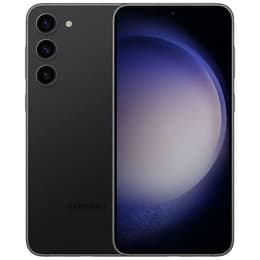
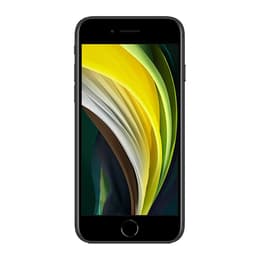

Galaxy S23+ vs iPhone SE (2020)

Galaxy S23+
Galaxy S23+
Starting at

Refurbished price:A$539.00

Versus A$1,953.00 new

See options
iPhone SE (2020)
iPhone SE (2020)
Starting at

Refurbished price:A$108.00

Versus A$529.00 new

See options

Ratings

The Samsung Galaxy S23 Plus, released in February 2023, and the Apple iPhone SE 2020, launched in April 2020, represent distinct approaches to smartphone design and functionality. While the Galaxy S23 Plus offers a modern Android experience with a large display and advanced features, the iPhone SE 2020 provides a compact iOS experience with a classic design. These devices cater to different user preferences, primarily differing in their operating systems, screen sizes, and overall technological advancements.

Scores

Durability

These two smartphones have different release timelines and, consequently, varying expectations for software support and practical lifespan. The Galaxy S23 Plus is a much newer device, offering a longer runway for updates.

  • Release Timeline: The Galaxy S23 Plus was released in February 2023, making it a relatively current model. The iPhone SE 2020 was launched in April 2020, making it several years older.
  • OS Support Duration: The Galaxy S23 Plus is expected to receive major Android OS updates until at least 2027 or 2028, with security updates continuing for five years from its release. The iPhone SE 2020, having been released in 2020, is likely nearing the end of its major iOS update cycle, though it may still receive security updates for some time, with some users reporting updates even in 2026.
  • Durability Features: The Galaxy S23 Plus features Gorilla Glass Victus 2 on both its front and back, along with an IP68 rating for dust and water resistance. The iPhone SE 2020 has a glass front and back with an aluminum frame and an IP67 rating, offering good protection against splashes and dust.

Release year

2023

2020

Compatible with latest Update

Yes

Yes

Operating system

Android

iOS

Foldable

No

No

Performance

The performance capabilities of the Galaxy S23 Plus and the iPhone SE 2020 reflect their respective release dates and target user experiences. The Galaxy S23 Plus offers a more powerful and efficient computing experience.

  • Everyday Responsiveness: The Galaxy S23 Plus provides a highly responsive experience, handling demanding applications, intensive multitasking, and graphic-rich games with ease due to its advanced processing unit. The iPhone SE 2020, while still capable for general use, may show signs of slower performance with newer, more resource-intensive applications and heavy multitasking.
  • Storage Options: The Galaxy S23 Plus typically starts with a larger base storage of 256GB, with options for 512GB, catering to users who store many apps, photos, and videos. The iPhone SE 2020 offers 64GB, 128GB, and 256GB options, which might be more restrictive for users with extensive digital libraries.
  • Battery Behavior: The Galaxy S23 Plus features a significantly larger battery capacity of 4700 mAh, which generally translates to longer usage times for most users, often lasting a full day or more on a single charge. The iPhone SE 2020, with its smaller 1821 mAh battery, typically requires more frequent charging, especially for users with moderate to heavy usage patterns.

Memory (GB)

8 GB

3 GB

Screen quality

The display technologies and sizes on these two devices offer distinct visual experiences, catering to different preferences for media consumption and daily interaction. The Galaxy S23 Plus provides a larger, more vibrant, and smoother display.

  • Display Technology and Size: The Galaxy S23 Plus features a 6.6-inch Dynamic AMOLED 2X display, known for its deep blacks, vibrant colors, and excellent contrast. The iPhone SE 2020 has a smaller 4.7-inch Retina IPS LCD, which offers good color accuracy but does not match the contrast levels of an OLED panel.
  • Resolution and Clarity: The Galaxy S23 Plus offers a higher resolution of 1080 x 2340 pixels, resulting in a sharper image on its larger screen. The iPhone SE 2020 has a resolution of 750 x 1334 pixels, which provides sufficient clarity for its smaller display, though individual pixels may be more discernible upon close inspection.
  • Refresh Rate and Brightness: The Galaxy S23 Plus boasts an adaptive refresh rate of up to 120Hz, providing smoother scrolling and more fluid animations, along with a high peak brightness of 1750 nits for excellent outdoor visibility. The iPhone SE 2020 has a standard 60Hz refresh rate and a peak brightness of 625 nits, which is adequate for most indoor conditions but can be less visible in direct sunlight.

Resolution

1080 x 2340

750 x 1334

Screen type

Dynamic AMOLED 2X

Retina IPS LCD

Audiovisual

The camera systems and audio capabilities of the Galaxy S23 Plus and iPhone SE 2020 reflect their different design philosophies and target markets. The Galaxy S23 Plus offers a more versatile and advanced camera setup.

  • Camera System Versatility: The Galaxy S23 Plus features a comprehensive triple-camera system, including a 50 MP main sensor, a 12 MP ultrawide lens, and a 10 MP telephoto lens with 3x optical zoom, providing a wide range of photographic options. The iPhone SE 2020 has a single 12 MP main camera, which is capable for everyday photos but lacks the versatility of multiple lenses.
  • Photography Performance: The Galaxy S23 Plus excels in various lighting conditions, offering detailed images with good dynamic range and improved low-light performance across its multiple lenses. The iPhone SE 2020's single camera performs well in good lighting, capturing natural-looking photos, but its low-light capabilities are more limited compared to the S23 Plus.
  • Video Recording and Audio: Both devices offer capable video recording, with the Galaxy S23 Plus supporting higher resolutions like 8K at 30fps. For audio, the S23 Plus provides a richer stereo speaker experience, while the iPhone SE 2020 offers decent stereo sound for its size.

Main camera

50 megapixels

12 megapixels

Front camera

12 megapixels

7 megapixels

Miscellaneous

Beyond core specifications, several practical elements differentiate the user experience between the Galaxy S23 Plus and the iPhone SE 2020, impacting daily convenience and handling.

  • Connectivity Standards: The Galaxy S23 Plus supports 5G connectivity, Wi-Fi 6E, and Bluetooth 5.3, offering faster data speeds and more robust wireless connections. The iPhone SE 2020 supports 4G LTE, Wi-Fi 6, and Bluetooth 5.0, which are still widely used but do not offer the same peak performance as the newer standards.
  • Physical Design and Handling: The Galaxy S23 Plus is a larger and slightly heavier device at 196g with a 6.6-inch screen, appealing to users who prefer a more expansive viewing area. The iPhone SE 2020 is significantly more compact and lighter at 148g with a 4.7-inch screen, making it easier for one-handed use and pocketability.
  • Biometric Security: The Galaxy S23 Plus utilizes an under-display fingerprint sensor and facial recognition for secure unlocking. The iPhone SE 2020 relies on Touch ID, an integrated fingerprint sensor within its physical home button, offering a familiar and reliable unlocking method.

Weight

196 oz

148 oz

Screen size (in)

6.6

4.7

Network

5G

4G

SIM card

Physical SIM + eSIM

Physical SIM + eSIM

Carrier compatibility

Unlocked

Unlocked

The Samsung Galaxy S23 Plus and the iPhone SE 2020 cater to distinct user profiles, each offering a unique set of strengths. Users often praise the Galaxy S23 Plus for its expansive and vibrant display, long-lasting battery, and versatile camera system, making it a strong contender for those who consume a lot of media or require advanced photographic capabilities. Common feedback highlights its modern design and powerful performance for demanding tasks.

Conversely, the iPhone SE 2020 is frequently lauded for its compact form factor, the familiarity of its home button with Touch ID, and its integration into the Apple ecosystem, appealing to users who prefer a smaller device or are accustomed to the classic iPhone experience. Some users, however, note its smaller screen and more limited battery life compared to contemporary smartphones.

Users prioritizing a large, high-refresh-rate display, extensive camera features, and cutting-edge performance for gaming and multitasking will find the Galaxy S23 Plus well-suited to their needs. On the other hand, individuals who value a compact design, a familiar physical home button, and the streamlined iOS experience, without needing the absolute latest in display or camera technology, may lean toward the iPhone SE 2020. Both devices offer reliable performance within their respective ecosystems, and choosing between them often comes down to personal preference for screen size, operating system, and specific feature sets. For those looking for a more sustainable choice, considering a quality-assured refurbished option for either model can be an excellent way to extend the life of these devices.
See all articles

Our recent comparisons