
Compare models

Galaxy A73 5G vs Google Pixel 9a

  • 1-year warranty
  • Free standard shipping
  • Free 30-day returns
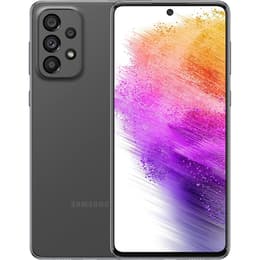
Galaxy A73 5G
Starting at

Refurbished price:A$249.00

Versus A$1,488.00 new

See options
Google Pixel 9a
Starting at

Refurbished price:A$570.00

Versus A$731.50 new

See options

Differences at a glance

The Samsung Galaxy A73 5G (2022) and the Google Pixel 9a (2025) represent distinct eras and philosophies within the mid-range smartphone category. While both devices aim to deliver capable everyday mobile experiences, they differ significantly in their launch timelines, software ecosystems, and internal components. The Samsung device runs on Android with Samsung's custom interface, whereas the Google device utilizes clean Android software integrated deeply with advanced on-device processing capabilities. These differences shape how each model handles daily tasks, software longevity, and user interaction.

Available Models

Colour

Storage (GB)

Scores

Durability

When evaluating the long-term viability of these two smartphones, several factors including release age, software support, and physical durability come into play.

  • Software Support Timeline: The Google Pixel 9a benefits from an extended commitment of seven years of operating system and security updates, whereas the Galaxy A73 5G operates on a shorter multi-year update schedule tied to its earlier release year.
  • Expected Lifespan: Because of its newer hardware generation and extended software policy, the Pixel 9a is positioned to receive security patches and platform upgrades further into the future.
  • Repairability and Build: Both devices feature dust and water resistance ratings, though users seeking a quality-assured refurbished option from sustainable channels will find both models maintain solid structural integrity over years of regular use.

Release year

2022

2025

Operating system

Android

Android

Foldable

No

No

Performance

Performance capabilities vary notably between the two models due to differences in their internal processing hardware and memory configurations.

  • Everyday Speed and Multitasking: The Google Pixel 9a handles demanding apps, heavy multitasking, and modern software features smoothly using its current-generation processor and ample memory pool. The Galaxy A73 5G manages standard daily tasks, web browsing, and casual applications reliably with its balanced mid-range processor.
  • Battery Behavior: Both phones include large capacity batteries designed to last through a full day of standard use, though efficiency gains in newer hardware help the Pixel 9a optimize power consumption during intensive background tasks.
  • Storage Management: While both devices offer sufficient internal storage configurations for typical media libraries, the Galaxy A73 5G includes expandable storage support via a microSD card slot, whereas the Pixel 9a relies entirely on fixed internal storage capacity.

Screen quality

Display characteristics differ in size, refresh rate technology, and maximum luminosity, influencing the overall media viewing and daily interaction experience.

  • Display Technology and Size: The Galaxy A73 5G features a larger 6.7-inch Super AMOLED Plus display, offering an expansive viewing area for media consumption, while the Pixel 9a features a more compact 6.3-inch OLED screen.
  • Visual Smoothness: Both devices support a 120Hz refresh rate, ensuring smooth scrolling through web pages, social feeds, and user interface animations.
  • Outdoor Visibility: The Pixel 9a incorporates high peak brightness capabilities that maintain clear screen legibility under direct sunlight, matching the dependable outdoor visibility offered by Samsung's panel technology.

Resolution

1080 x 2400

1080x2424

Screen type

Super AMOLED Plus

P-OLED

Audiovisual

Camera hardware and computational photography processing define the imaging and multimedia recording strengths of each device.

  • Rear Camera Systems: The Galaxy A73 5G relies on a high-resolution main sensor that captures sharp details in daylight conditions, while the Pixel 9a pairs its main sensor with computational photography algorithms to deliver reliable low-light performance and balanced exposure.
  • Video and Audio: Both models support steady 4K video recording, accompanied by clear microphone input for voice calls and stereo speaker setups that handle media playback adequately.
  • Specialized Photo Tools: The Pixel 9a includes advanced on-device editing tools for cleaning up unwanted background objects or adjusting group photos, whereas Samsung focuses on straightforward photo modes and manual controls.

Miscellaneous

Practical physical and connectivity attributes determine how comfortably each smartphone fits into daily travel and accessory ecosystems.

  • Dimensions and Handling: The Galaxy A73 5G features a larger footprint and thinner profile, making it well-suited for two-handed use. The Pixel 9a offers a more compact body that is easier to operate with one hand and pocket securely.
  • Connectivity and Ports: Both smartphones support 5G cellular networks, modern Wi-Fi standards, and Bluetooth, utilizing reversible USB Type-C ports for charging and data transfer without including traditional headphone jacks.
  • Biometrics: Secure authentication is handled via responsive under-display optical fingerprint sensors and facial recognition capabilities on both models.

Weight

181 oz

186 oz

Screen size (in)

6.7

6.3

Network

5G

5G

SIM card

Physical SIM

Physical SIM + eSIM

Carrier compatibility

Unlocked

Unlocked

What the community thinks

Choosing between the Samsung Galaxy A73 5G and the Google Pixel 9a depends largely on individual user priorities regarding physical dimensions, software longevity, and hardware features. Users prioritizing a larger screen workspace for media consumption alongside expandable storage capacity often lean toward the Samsung device. Conversely, users seeking an extended software update timeline paired with a compact physical footprint and advanced computational photo tools will find the Google option well-suited to their needs.

For consumers exploring eco-friendly purchasing habits, selecting a quality-assured refurbished option provides a sustainable way to acquire either device while reducing electronic waste. Both smartphones deliver dependable performance for everyday tasks, ensuring that the final decision rests primarily on preferred screen size, operating system preference, and long-term support expectations.