

Compare models

Galaxy A73 5G vs Google Pixel 9 Pro

  • 1-year warranty
  • Free standard shipping
  • Free 30-day returns
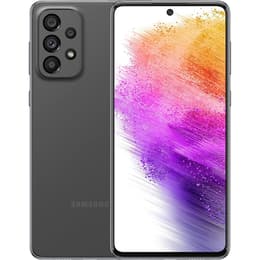
Galaxy A73 5G
Starting at

Refurbished price:A$199.00

Versus A$1,488.00 new

See options
Google Pixel 9 Pro
Starting at

Refurbished price:A$720.00

Versus A$884.00 new

See options

Differences at a glance

The Samsung Galaxy A73 5G (2022) and the Google Pixel 9 Pro (2024) represent two distinct approaches to modern smartphone engineering, spanning different release years and market tiers. While the Galaxy A73 5G focuses on delivering a large screen and balanced everyday capabilities in a lightweight frame, the Google Pixel 9 Pro positions itself as a compact flagship built around advanced hardware integration and extensive software longevity. Both devices run on the Android operating system, though they offer different iterations and feature sets out of the box. Examining how these models differ in daily usage helps users determine which aligns best with their specific needs.

Available Models

Colour

Storage

Scores

Durability

When evaluating hardware longevity and software support, both devices handle ongoing updates differently based on their respective release schedules and manufacturer policies.

  • Release timeline and support: The Google Pixel 9 Pro benefits from a more recent launch year, ensuring software support extends further into the future compared to the older Samsung model.
  • Software updates: Google provides multi-year operating system and security patch commitments for its flagship line, while the Galaxy A73 5G approaches the later stages of its scheduled support window.
  • Repairability and build: Both smartphones feature robust construction standards, though availability of replacement components and repair networks varies by region for each manufacturer.

Release year

2022

2024

Operating system

Android

Android

Foldable

No

No

Performance

Daily responsiveness and multitasking capabilities vary significantly between these two devices due to differences in internal architecture and memory allocation.

  • Multitasking and RAM: The Google Pixel 9 Pro includes a high volume of memory to support intensive background tasks and on-device processing smoothly, whereas the Galaxy A73 5G handles standard multitasking adequately with its configured RAM capacity.
  • App execution and gaming: Demanding mobile games and resource-heavy applications load faster and run with greater thermal stability on the Pixel 9 Pro, while the Galaxy A73 5G is well-suited for everyday communication, social media, and casual applications.
  • Battery behavior: The Galaxy A73 5G features a high-capacity battery designed to sustain typical use throughout a full day, whereas the Pixel 9 Pro balances a more compact physical footprint with efficient power management for daily tasks.

Screen quality

Display characteristics differ notably in size, panel technology, and adaptive capabilities between the two models.

  • Panel technology and clarity: The Pixel 9 Pro utilizes advanced OLED technology with high pixel density for sharp text and deep contrast, while the Galaxy A73 5G offers a larger viewing area with vibrant colors suited for media consumption.
  • Outdoor visibility: Both screens reach high peak brightness levels to maintain legibility under direct sunlight, though adaptive brightness calibration varies between the interfaces.
  • Refresh rate and smoothness: Both devices support high refresh rates to ensure fluid scrolling through web pages and menus, contributing to a responsive visual experience.

Resolution

1080 x 2400

1280x2856

Audiovisual

Photographic hardware and media output capabilities reflect the different market tiers and development years of each smartphone.

  • Camera versatility: The Google Pixel 9 Pro features a versatile triple-lens rear arrangement including dedicated optical zoom capabilities, whereas the Galaxy A73 5G relies on a high-resolution primary sensor accompanied by supporting lenses.
  • Processing and low light: Image processing algorithms on the Pixel 9 Pro maintain clarity and balanced exposure in challenging lighting conditions, while the Samsung model captures clear daylight shots reliably.
  • Audio and media output: Both devices deliver clear stereo sound for calls and media playback, though neither includes a traditional 3.5mm headphone jack.

Miscellaneous

Practical physical attributes and connectivity standards shape how each device handles everyday handling and accessories.

  • Physical dimensions: The Galaxy A73 5G offers a larger physical footprint with a thin profile, whereas the Pixel 9 Pro provides a more compact, balanced form factor that is easier to operate with one hand.
  • Connectivity and ports: Both models support current 5G networks, modern Wi-Fi standards, and Bluetooth connectivity, utilizing USB-C ports for charging and data transfer.
  • Security sensors: Each smartphone incorporates reliable biometric authentication through secure under-display fingerprint sensors and facial recognition options.

Weight

181 oz

199 oz

Screen size (in)

6.7

6.3

Network

5G

5G

SIM card

Physical SIM

Physical SIM + eSIM

Carrier compatibility

Unlocked

Unlocked

What the community thinks

User discussions across public forums highlight distinct preferences for each device based on practical use cases. Owners of the Google Pixel 9 Pro frequently praise its compact handling, advanced photographic output, and extended software support window. Conversely, users of the Galaxy A73 5G often note appreciation for its expansive display estate, lightweight build, and reliable battery endurance for daily tasks. Common criticisms for the Pixel involve its premium market positioning, while the Samsung model faces remarks regarding its aging software lifecycle.

Users prioritizing a compact form factor, advanced camera versatility, and long-term software updates will find the Google Pixel 9 Pro well-suited to their needs. On the other hand, users who prefer a larger screen for media viewing and a streamlined everyday device will lean toward the Galaxy A73 5G. For those considering an eco-friendly approach, choosing a quality-assured refurbished option through Back Market offers a sustainable way to acquire either of these devices while reducing electronic waste. Evaluating these core differences ensures a well-informed decision aligned with individual daily habits.