
Compare models
Galaxy A56 vs Google Pixel 9 Pro
- 1-year warranty
- Free standard shipping
- Free 30-day returns
Differences at a glance
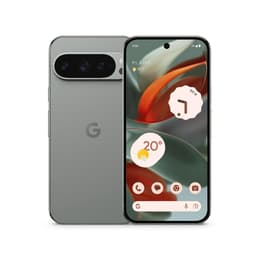
The Samsung Galaxy A56 and the Google Pixel 9 Pro are contemporary smartphones released in 2025 and late 2024, respectively, representing two distinct philosophies in mobile engineering. While the Galaxy A56 focuses on delivering a large, expansive display and balanced daily capabilities, the Google Pixel 9 Pro targets advanced mobile photography and compact flagship versatility. Both run on the Android operating system, though they feature different user interface designs and software ecosystems tailored to their respective hardware lineups.
Available Models
Colour
Storage
Scores
Durability
When examining longevity, both devices offer robust software support policies, though their hardware lifespans and update schedules reflect different market positioning.
- Software Support: Both manufacturers provide multi-year commitments for operating system upgrades and security patches, helping maintain software relevance over several years.
- Repairability and Build: Each model incorporates durable glass and metal structures with high dust and water resistance ratings, though repair complexity varies depending on component availability.
- Expected Lifespan: Practical longevity depends on usage intensity, with both devices engineered to handle daily routines efficiently throughout their support cycles.
Release year
2025
2024
Operating system
Android
Android
Foldable
No
No
Performance
Performance profiles vary significantly between the two models, influencing how they handle multitasking, gaming, and power consumption during daily routines.
- Multitasking and Responsiveness: The Google Pixel 9 Pro features high-capacity random access memory that keeps demanding applications active in the background, whereas the Galaxy A56 relies on a balanced configuration suited for standard day-to-day switching.
- Battery Behavior: The Galaxy A56 utilizes a large battery capacity designed to easily stretch through a full day of mixed use, while the Pixel 9 Pro balances a slightly smaller cell with power-efficient display technology.
- Storage Configurations: Both devices offer multiple internal storage tiers to accommodate personal files, applications, and media libraries without expandable memory card slots.
Screen quality
Display characteristics differ primarily in physical dimensions and panel technology, affecting outdoor visibility and media consumption.
- Display Technology: Both models utilize advanced OLED panels that deliver deep black levels, high contrast, and vivid color reproduction for videos and photos.
- Size and Refresh Rate: The Galaxy A56 features a larger 6.7-inch screen, while the Pixel 9 Pro provides a more compact 6.3-inch panel; both support smooth high refresh rates for fluid scrolling.
- Peak Brightness: High maximum brightness levels on both devices ensure content remains legible under direct sunlight or bright outdoor lighting conditions.
Resolution
1080 x 2340
1280x2856
Audiovisual
Optics and multimedia capabilities represent a major point of divergence, particularly for photography enthusiasts and content creators.
- Camera Systems: The Pixel 9 Pro equips a versatile triple-lens array featuring a high-resolution telephoto lens for optical zoom, while the Galaxy A56 employs a practical multi-sensor setup focused on everyday primary and wide-angle shots.
- Processing and Low Light: Computational photography algorithms on the Pixel 9 Pro excel in challenging low-light environments, whereas the Galaxy A56 delivers balanced, natural color tones in standard daylight conditions.
- Audio and Video: Both units incorporate stereo speakers and clear microphone arrays suitable for hands-free calls, video recording, and media playback.
Miscellaneous
Practical physical attributes and connectivity options define how each device integrates into daily travel and accessory ecosystems.
- Connectivity Standards: Both smartphones support modern fifth-generation cellular networks, dual-band Wi-Fi standards, and near-field communication for contactless payments.
- Security and Biometrics: Each model integrates fast biometric authentication tools, utilizing secure under-display fingerprint sensors and facial recognition capabilities.
- Physical Dimensions: The Galaxy A56 offers a broader footprint with its larger display, while the Pixel 9 Pro presents a more compact, pocket-friendly form factor for single-handed operation. Opting for a quality-assured refurbished option provides an eco-friendly alternative that reduces electronic waste without compromising on daily functionality.
Weight
200 oz
199 oz
Screen size (in)
6.7
6.3
Network
4G
5G
SIM card
Physical SIM + eSIM
Physical SIM + eSIM
Carrier compatibility
Unlocked
Unlocked
What the community thinks
User feedback from online communities highlights distinct preferences for each device. Owners of the Google Pixel 9 Pro frequently praise its compact handling, advanced camera versatility, and deep integration of intelligent assistant features. Conversely, users of the Galaxy A56 often commend its expansive screen real estate, reliable battery longevity, and comfortable everyday responsiveness for standard communication tasks.
When deciding between the two, users prioritizing mobile photography, advanced zoom capabilities, and a smaller physical footprint will find the Google Pixel 9 Pro well-suited to their needs. Meanwhile, users prioritizing a larger viewing area for media consumption and dependable all-day battery behavior may prefer the Samsung Galaxy A56. Evaluating these core differences helps ensure a suitable match for individual daily requirements, with quality-assured refurbished models offering a sustainable path toward device ownership.