iPhone
Compare models
Differences at a glance
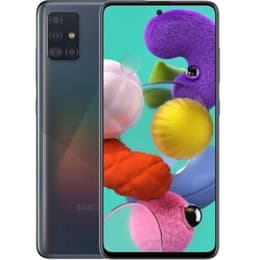
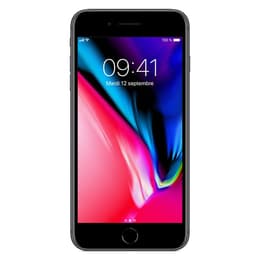
The Samsung Galaxy A51, released in January 2020, and the Apple iPhone 8 Plus, launched in September 2017, represent different approaches to smartphone design and functionality from their respective eras. While the Galaxy A51 operates on the Android platform, the iPhone 8 Plus runs on Apple's iOS. Key distinctions between these two devices include their operating systems, display technologies, and camera configurations, catering to varied user preferences.
Colour
Storage
When considering the long-term usability of these devices, their release timelines and software support cycles are important factors.
Release year
Compatible with latest Update
Operating system
Foldable
The performance of a smartphone is crucial for daily tasks, app usage, and overall responsiveness.
The display is a primary interface for smartphone interaction, influencing viewing pleasure and usability.
Resolution
Screen type
Camera capabilities are a significant consideration for many users, impacting the quality of photos and videos captured.
Main camera
Front camera
Beyond core features, several practical elements contribute to the overall user experience and device utility.
Weight
Screen size (in)
Network
SIM card
Carrier compatibility
The Samsung Galaxy A51 and iPhone 8 Plus, while both older smartphones, offer distinct experiences shaped by their respective ecosystems and design philosophies. User feedback for the Galaxy A51 often highlights its vibrant AMOLED display and the versatility of its quad-camera system, particularly for daylight photography. Some users have noted that its performance can be inconsistent, especially with more demanding tasks, and its major software update cycle has concluded.
The iPhone 8 Plus is frequently praised for its consistently smooth performance within the iOS environment and its capable dual-camera system, which includes a telephoto lens and advanced portrait features. Common observations include its robust build quality and reliable battery life at the time of its release. However, its design is older, and like the A51, it has reached the end of its major operating system update cycle.
Users prioritizing a larger, more vibrant display for media consumption, along with the flexibility of multiple camera lenses and a traditional headphone jack, may find the Galaxy A51 well-suited to their needs. Conversely, individuals who value the consistent performance of the iOS ecosystem, a dedicated telephoto camera for portraits, and wireless charging capabilities might lean towards the iPhone 8 Plus. Both devices represent solid options for those seeking quality-assured refurbished alternatives, offering a sustainable choice for continued use.