
iPhone
Compare models
Differences at a glance
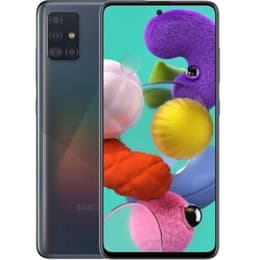
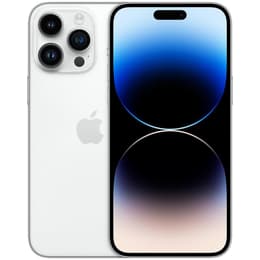
The Samsung Galaxy A51, released in late 2019, and the Apple iPhone 14 Pro Max, launched in September 2022, represent distinct approaches to smartphone design and functionality. These devices hail from different ecosystems and target different user expectations, with the Galaxy A51 offering a feature-rich Android experience for its time and the iPhone 14 Pro Max delivering Apple's latest advancements in performance, camera technology, and display innovation. The primary differentiators lie in their operating systems, overall performance capabilities, and advanced camera systems.
Colour
Storage
The longevity of a smartphone is influenced by its release timeline, software support, and physical resilience. The Galaxy A51, released in December 2019, has received several major Android updates, typically offering three generations of Android software updates and four years of security updates from its release. This means its major OS update cycle has likely concluded, though security updates may continue for a period.
In contrast, the iPhone 14 Pro Max, launched in September 2022, benefits from Apple's longer software support policy, typically receiving iOS updates for five to six years from its release, ensuring several more years of current software features and security patches.
Release year
Compatible with latest Update
Operating system
Foldable
Performance is a key area where these two devices diverge, reflecting their different release years and market segments. The Galaxy A51, powered by an octa-core processor, was designed to handle everyday tasks smoothly, such as web browsing, social media, and light gaming. However, it may experience slowdowns with more demanding applications or extensive multitasking.
The iPhone 14 Pro Max, featuring a current-generation processor, delivers exceptional performance, effortlessly managing intensive applications, graphic-heavy games, and seamless multitasking. Its architecture is optimized for high efficiency and sustained performance.
The display is a central component of the smartphone experience, and both devices offer distinct technologies and features. The Galaxy A51 features a 6.5-inch Super AMOLED Infinity-O display with a resolution of 1080 x 2400 pixels, providing vibrant colors and deep blacks. Its refresh rate is 60Hz, which is standard for its release period.
The iPhone 14 Pro Max boasts a 6.7-inch Super Retina XDR OLED display with a higher resolution of 2796 x 1290 pixels and a pixel density of 460 ppi. It incorporates ProMotion technology, offering adaptive refresh rates up to 120Hz for smoother scrolling and more responsive interactions. The iPhone 14 Pro Max also features significantly higher peak brightness, making it more visible in bright outdoor conditions, and includes an Always-On display and the Dynamic Island feature.
Resolution
Screen type
Camera capabilities are a significant consideration for many users, and both devices offer different photographic experiences. The Galaxy A51 features a versatile quad-camera setup on the rear, including a 48MP main sensor, a 12MP ultrawide lens, a 5MP macro lens, and a 5MP depth sensor. It is capable of capturing decent photos in good lighting conditions and offers various modes like Live Focus and Super Steady for video.
The iPhone 14 Pro Max features a professional-grade triple-camera system, highlighted by a 48MP main camera with a larger sensor, a 12MP ultrawide camera, and a 12MP telephoto lens. It excels in low-light performance, offers advanced computational photography features like Photonic Engine, and supports high-quality video recording with features such as Cinematic Mode and ProRes. The front camera on the iPhone 14 Pro Max also includes autofocus for clearer selfies.
Main camera
Front camera
Beyond core features, several practical elements contribute to the overall user experience. The Galaxy A51 supports 4G connectivity, Wi-Fi 5, and Bluetooth 5.0. It includes a 3.5mm headphone jack and uses a USB-C port for charging and data transfer. For security, it features an in-display optical fingerprint scanner.
The iPhone 14 Pro Max supports faster 5G cellular networks, Wi-Fi 6, and Bluetooth 5.3. It uses Apple's proprietary Lightning port and relies on Face ID for biometric authentication. The iPhone 14 Pro Max is constructed with a stainless steel frame and Ceramic Shield front, offering enhanced durability, and is heavier and slightly larger than the Galaxy A51.
Weight
Screen size (in)
Network
SIM card
Carrier compatibility
User sentiment for the Galaxy A51 often highlights its vibrant Super AMOLED display and the inclusion of a 3.5mm headphone jack as strong points for its segment. Some users have noted its performance can be adequate for daily tasks but may struggle with more intensive applications over time, and its software update cycle is shorter compared to flagship devices.
The iPhone 14 Pro Max is frequently praised for its exceptional camera system, powerful performance, bright and fluid display, and long battery life. Some users find its size and weight substantial, and the continued use of the Lightning port is occasionally mentioned.
Users prioritizing a device for everyday communication, media consumption, and who value a traditional headphone jack may find the Galaxy A51 suitable, especially as an eco-friendly, quality-assured refurbished option. Conversely, users who require top-tier performance for demanding applications, advanced photography and videography capabilities, a highly responsive display, and extended software support will find the iPhone 14 Pro Max better aligned with their needs. Both devices, when considered as refurbished options, offer a sustainable choice for consumers.