Samsung
Compare models
Differences at a glance
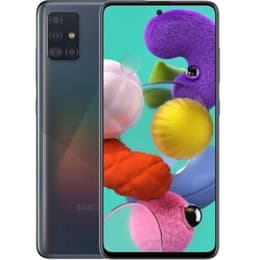
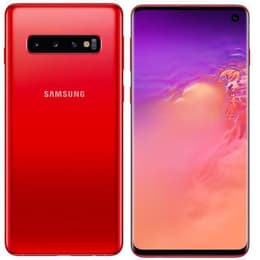
The Samsung Galaxy A51 (released December 2019/January 2020) and the Samsung Galaxy S10 (released March 2019) are both Android smartphones from Samsung, though they originally targeted different market segments. The Galaxy S10 was a flagship device, while the Galaxy A51 was positioned in the mid-range. Key differences lie in their processing power, display resolution, and camera capabilities, reflecting their distinct design philosophies and intended user experiences.
Colour
Storage
When considering the practical lifespan of these devices, several factors come into play, including their release timelines, software support, and physical resilience.
Release year
Compatible with latest Update
Operating system
Foldable
The performance of a smartphone is largely dictated by its internal components, impacting everything from app responsiveness to multitasking efficiency and gaming experiences.
The visual experience on a smartphone is heavily influenced by its display technology, resolution, and overall clarity.
Resolution
Screen type
The camera systems on both the Galaxy S10 and Galaxy A51 offer versatile photography and videography capabilities, though with distinct strengths.
Main camera
Front camera
Beyond core specifications, several practical features and design elements contribute to the overall user experience of these smartphones.
Weight
Screen size (in)
Network
SIM card
Carrier compatibility
The Samsung Galaxy A51 and Galaxy S10, while both offering a comprehensive Android experience, cater to different user priorities. User feedback for the Galaxy S10 often praises its vibrant, high-resolution display, robust performance for demanding applications, and versatile camera system with optical zoom and stabilization. Common criticisms sometimes point to its battery life being merely adequate for heavy use and its low repairability score.
For the Galaxy A51, users frequently highlight its large Super AMOLED screen, the inclusion of a macro camera for creative shots, and its commitment to extended software updates. However, some users have noted occasional performance lags, particularly when opening the camera or multitasking, and reported issues with Bluetooth connectivity and the consistency of the in-display fingerprint sensor. Its less durable build compared to flagship models is also a consideration.
Users prioritizing a premium build, a sharper display, and stronger overall performance for intensive tasks like gaming or advanced photo editing may find the Galaxy S10 better suited to their needs. Its optical image stabilization and optical zoom also make it a stronger choice for photography enthusiasts. Conversely, individuals who value a larger screen, a dedicated macro camera, and a longer period of official software support, and whose usage is primarily for everyday tasks and media consumption, might lean towards the Galaxy A51. Both devices offer a compelling experience, and opting for a quality-assured refurbished option can be a sustainable choice for either model, extending their lifecycle and providing excellent value.