
Compare models
Galaxy A33 5G vs Google Pixel 9 Pro
- 1-year warranty
- Free standard shipping
- Free 30-day returns
Differences at a glance
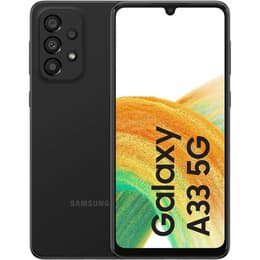
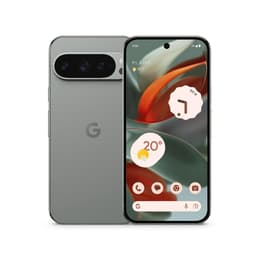
The Samsung Galaxy A33 5G (2022) and the Google Pixel 9 Pro (2024) represent different tiers and release windows in the smartphone landscape. While the Galaxy A33 5G serves as an accessible everyday communication tool, the Google Pixel 9 Pro operates as a feature-rich flagship device. Choosing between them depends heavily on whether you need advanced computing capabilities or reliable baseline functionality.
Both models run on the Android operating system, though they feature different user interface designs and software ecosystems provided by their respective manufacturers. These distinct software approaches shape how users interact with daily notifications, settings menus, and customization tools.
Available Models
Colour
Storage
Scores
Durability
When examining longevity and durability, both devices offer robust structural protections, though their release timelines and software update schedules differ significantly.
- Software Support: The Google Pixel 9 Pro benefits from a multi-year update commitment extending deep into the decade, whereas the Galaxy A33 5G occupies an earlier generation with a more finite remaining support window.
- Build Integrity: Both phones include dust and water resistance ratings, helping them withstand accidental splashes and everyday environmental exposure during transit or travel.
- Repair Options: Selecting a quality-assured refurbished option from Back Market extends the operational lifecycle of these electronics while supporting sustainable consumption habits.
Release year
2022
2024
Operating system
Android
Android
Foldable
No
No
Performance
System responsiveness and memory configurations vary notably, translating to distinct real-world capabilities for multitasking and heavy application usage.
- App Loading and Multitasking: The Google Pixel 9 Pro handles demanding applications and rapid switching between heavy programs smoothly, backed by a generous allotment of system memory. The Galaxy A33 5G manages everyday tasks like messaging, web browsing, and media streaming reliably, though intensive gaming or heavy multi-window use may occasionally exhibit minor loading pauses.
- Storage Configurations: Multiple internal storage tiers allow users to select capacities matching their personal media libraries, with the Pixel series offering higher maximum thresholds for extensive file storage.
- Battery Behavior: Both models are designed to sustain standard daily usage patterns, though heavy multitasking or extended screen-on sessions will drain the respective power capacities at different rates.
Screen quality
Display characteristics shape everyday media consumption, reading comfort, and outdoor visibility across both smartphone options.
- Display Technology: Both devices utilize vibrant OLED panels that deliver deep black levels and high contrast ratios, making text sharp and videos immersive.
- Refresh Rates: The Google Pixel 9 Pro features a fluid high refresh rate screen that adapts dynamically to onscreen movement, while the Galaxy A33 5G employs a fixed high refresh rate suitable for smooth scrolling through feeds and menus.
- Outdoor Visibility: High peak brightness capabilities on the Pixel model ensure legibility under direct sunlight, whereas the Samsung display maintains clear visibility under standard daylight conditions.
Resolution
1080 x 2400
1280x2856
Audiovisual
Imaging hardware and auxiliary multimedia features cater to distinct photography styles and entertainment preferences.
- Camera Systems: The Google Pixel 9 Pro incorporates an advanced multi-lens rear array featuring dedicated optical zoom capabilities and high-resolution sensors for detailed macro and distant shots. The Galaxy A33 5G relies on a versatile quad-camera arrangement that captures sharp everyday daylight photos and standard wide-angle frames.
- Low-Light Performance: Advanced computational photography on the Pixel model preserves shadow detail and color accuracy in dim environments, while the Samsung alternative handles evening scenes adequately with standard night processing modes.
- Audio Output: Built-in stereo speakers provide clear sound delivery for hands-free calls and casual video viewing on both handsets.
Miscellaneous
Practical physical traits and connectivity standards determine how comfortably each device integrates into daily routines and travel gear.
- Connectivity Standards: Both devices support modern 5G cellular networks, Wi-Fi protocols, and Bluetooth pairing for wireless accessories.
- Physical Dimensions: The Galaxy A33 5G features a lightweight plastic build that sits comfortably in the hand, while the Pixel 9 Pro utilizes a denser glass and metal construction that provides a solid, weighted feel during handling.
- Authentication Sensors: Integrated biometric security options, including secure face recognition and responsive in-display fingerprint sensors, allow quick unlocking across both models.
Weight
186 oz
199 oz
Screen size (in)
6.4
6.3
Network
5G
5G
SIM card
Physical SIM
Physical SIM + eSIM
Carrier compatibility
Unlocked
Unlocked
What the community thinks
User discussions and community feedback highlight clear division points between these two smartphones. Owners of the Galaxy A33 5G frequently praise its dependable battery endurance and balanced everyday feature set for standard communication tasks. Conversely, Pixel 9 Pro users often emphasize appreciation for the high-end photographic output, rapid system responsiveness, and comprehensive AI-driven tools integrated into the software.
Users prioritizing advanced photography, rapid multitasking performance, and extended software lifespans will find the Google Pixel 9 Pro well-suited to their needs. On the other hand, users prioritizing straightforward daily communication, reliable media playback, and a lighter hardware footprint may lean toward the Galaxy A33 5G. Exploring a quality-assured refurbished option provides a practical, eco-friendly way to acquire either device while supporting more sustainable technology choices.