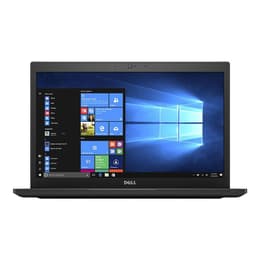
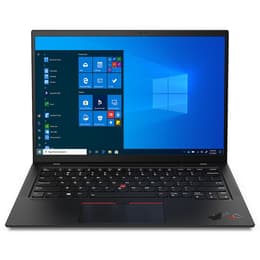

Dell Latitude 7490 14" vs Lenovo ThinkPad X1 Carbon G9 14"

Dell Latitude 7490 14"
See options
Lenovo ThinkPad X1 Carbon G9 14"
Starting at

Refurbished price:A$612.00

Versus A$3,837.00 new

See options

The Dell Latitude 7490 and the Lenovo ThinkPad X1 Carbon Gen 9 are both 14-inch business-oriented laptops designed for productivity and portability. Released in 2018, the Latitude 7490 offers a robust build and a focus on traditional business connectivity. In contrast, the ThinkPad X1 Carbon Gen 9, launched in 2021, brings a more modern design, updated internal components, and enhanced display technology, reflecting advancements in laptop engineering over a few years.

Scores

Durability

The release timelines of these two laptops significantly impact their expected software support and practical lifespan. The Dell Latitude 7490, released in 2018, has been on the market for a longer period, while the Lenovo ThinkPad X1 Carbon Gen 9, from 2021, benefits from a more recent introduction.

  • OS Support: The ThinkPad X1 Carbon Gen 9, being a newer model, is likely to receive operating system updates and security patches for a longer duration compared to the Latitude 7490. Users of the Latitude 7490 may find themselves with diminishing official software support in the coming years.
  • Repairability: The Dell Latitude 7490 generally offers good repairability, with many components like the battery, M.2 SSD, and RAM being replaceable. The ThinkPad X1 Carbon Gen 9 also features a design that allows for component replacement, though its RAM is soldered, limiting upgrade options.
  • Practical Lifespan: While both are built for durability, the X1 Carbon Gen 9's newer hardware and longer expected software support suggest a longer practical lifespan for staying current with demanding applications and security standards.

Release year

2017

2020

Last Os Compatibility

Yes

Yes

Operating system

Windows 11

Windows 11

Performance

The performance capabilities of these laptops differ due to their respective release years and the advancements in processor technology. The ThinkPad X1 Carbon Gen 9 generally offers a more responsive and efficient computing experience.

  • Processing Power: The ThinkPad X1 Carbon Gen 9, equipped with a more recent generation of processors, handles demanding applications and multitasking with greater efficiency and speed. The Latitude 7490, while capable for everyday office tasks, may show limitations with more intensive workloads or numerous applications running simultaneously.
  • Memory and Storage: Both models offer solid-state drive (SSD) storage for fast boot times and application loading. The Latitude 7490 typically features DDR4 RAM, often upgradeable, while the X1 Carbon Gen 9 utilizes LPDDR4x RAM, which is generally soldered to the motherboard, meaning it cannot be upgraded after purchase.
  • Battery Behavior: The ThinkPad X1 Carbon Gen 9 often provides extended battery life, especially with its lower-power display options, making it suitable for prolonged use away from a power outlet. The Latitude 7490 offers decent battery performance for a workday, though some users have reported varying experiences, with some noting shorter durations.

Memory (GB)

16 GB

16 GB

Processor

Core i7 - Gen 8 (U)

Core i5-1135G7

Graphic card

Integrated Graphics

Integrated Graphics

Screen quality

The display quality and features present notable differences between these two business laptops, with the newer ThinkPad X1 Carbon Gen 9 offering more contemporary options.

  • Display Technology and Resolution: The Dell Latitude 7490 typically comes with 14-inch Full HD (1920x1080) IPS panels, providing clear visuals for general use. The Lenovo ThinkPad X1 Carbon Gen 9 offers a wider range of 14-inch display options, including FHD+ (1920x1200) and higher resolutions, often with a modern 16:10 aspect ratio, which provides more vertical screen real estate.
  • Brightness and Clarity: The X1 Carbon Gen 9's display options often feature higher brightness levels and better color accuracy, enhancing visibility in various lighting conditions and for tasks requiring precise color representation. The Latitude 7490's displays are generally suitable for indoor office environments.
  • Refresh Rate and Viewing Experience: Both laptops typically feature standard 60Hz refresh rates. The X1 Carbon Gen 9's narrower bezels and 16:10 aspect ratio contribute to a more immersive viewing experience, particularly beneficial for document work and web browsing.

Resolution

1366 x 768

1920 x 1200

Screen type

IPS

IPS

Camera

Audiovisual

The audio-visual components, particularly the webcam and speakers, show improvements in the more recent ThinkPad X1 Carbon Gen 9, aligning with increased demands for remote communication.

  • Camera System: The Dell Latitude 7490 includes a built-in 720p webcam, which is functional for standard video calls. The Lenovo ThinkPad X1 Carbon Gen 9 also features an HD webcam, often with privacy features like a physical shutter, and some configurations may offer improved image processing for clearer video conferencing.
  • Microphone and Speakers: The X1 Carbon Gen 9 often incorporates a quad-microphone array and enhanced speaker systems with Dolby Atmos support, delivering clearer audio input and a richer sound experience for media consumption and virtual meetings. The Latitude 7490 provides standard microphone and speaker quality suitable for typical business use.
  • Video Recording Quality: While neither laptop is designed for professional video production, the X1 Carbon Gen 9's newer hardware generally offers a slightly better experience for casual video recording and online presentations.

Miscellaneous

Several practical elements contribute to the overall user experience and differentiate these two laptops, from connectivity to physical design.

  • Connectivity Options: The Dell Latitude 7490 includes a good range of legacy ports, such as multiple USB-A ports, HDMI, Ethernet, and optional Thunderbolt 3 via USB-C. The Lenovo ThinkPad X1 Carbon Gen 9 features more modern connectivity, including Thunderbolt 4 ports, USB-A, and HDMI, alongside Wi-Fi 6 and Bluetooth 5.2 for faster wireless connections.
  • Weight and Dimensions: The ThinkPad X1 Carbon Gen 9 is notably lighter, starting around 1.13 kg, and generally thinner than the Latitude 7490, which starts around 1.36 kg. This makes the X1 Carbon Gen 9 more portable for users who frequently travel or carry their laptop.
  • Build Materials and Durability: Both laptops are built with business-grade durability in mind. The Latitude 7490 often features a magnesium alloy chassis, sometimes with a carbon fiber lid. The X1 Carbon Gen 9 utilizes a carbon fiber and magnesium alloy construction, known for its balance of strength and light weight, and has passed various MIL-STD durability tests.

Weight

2500 oz

7500 oz

Screen size

14

14

User feedback for the Dell Latitude 7490 often praises its robust build quality, comfortable keyboard, and comprehensive port selection, making it a reliable workhorse for everyday business tasks. However, some users have noted concerns regarding battery life, especially with heavy use, and potential for the chassis to warm under load. Its performance, while adequate for its time, is now considered mid-range for modern applications.

The Lenovo ThinkPad X1 Carbon Gen 9 receives commendation for its exceptionally lightweight design, excellent keyboard, and vibrant display options, particularly the 16:10 aspect ratio. Users appreciate its modern connectivity and strong overall performance for productivity. Criticisms sometimes point to the soldered RAM, limiting future upgrades, and the 720p webcam quality, which some find underwhelming for a premium device.

Users prioritizing a highly portable device with modern performance, an enhanced display, and up-to-date connectivity will find the Lenovo ThinkPad X1 Carbon Gen 9 well-suited to their needs. Its lighter build and longer software support make it a strong choice for professionals on the go or those requiring a sleek, contemporary machine. Conversely, individuals who value a more traditional business laptop with a wider array of legacy ports, potentially user-upgradeable RAM, and a proven sturdy design may lean towards the Dell Latitude 7490. This model remains a capable option for office-based work where maximum portability is not the primary concern. Both models, when acquired as quality-assured refurbished options, offer an eco-friendly alternative for informed purchasing decisions.


See all articles

Our recent comparisons