Compare models
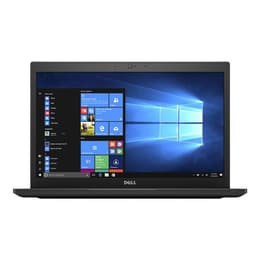
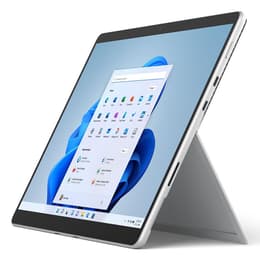
Dell Latitude 7490 14" vs Microsoft Surface Pro 8 13"
- 1-year warranty
- Free standard shipping
- Free 30-day returns
Differences at a glance
The Dell Latitude 7490 14" (2018) and the Microsoft Surface Pro 8 13" (2021) represent two distinct approaches to portable computing for professionals, students, and travelers. While the Dell Latitude 7490 functions as a traditional clamshell business laptop emphasizing connectivity and keyboard comfort, the Microsoft Surface Pro 8 adopts a versatile 2-in-1 detachable form factor that transitions between a tablet and a laptop. Both devices run Windows operating systems, though they utilize different hardware generations and design philosophies that cater to contrasting mobile workflows.
Available Models
Storage
Processor
Memory
Scores
Durability
When evaluating structural longevity and software support, these two models occupy different generations in the computing market, with the Surface Pro 8 launching three years after its competitor.
- Software Support Timeline: The Surface Pro 8 benefits from a more recent release date, allowing it to receive operating system updates and security patches further into the future.
- Repairability and Build: The Dell Latitude 7490 features a traditional modular laptop design that facilitates straightforward internal component access, whereas the glued assembly of the Surface Pro 8 makes physical repairs more challenging.
- Expected Lifespan: Both machines provide reliable service for everyday office tasks and web-based workflows, though users seeking extended manufacturer software horizons often explore a quality-assured refurbished option to maximize utility.
Release year
2017
2021
Last Os Compatibility
Yes
Yes
Operating system
Windows 11
Windows 11
Performance
System responsiveness and everyday utility differ notably based on internal hardware iterations and thermal design across both portable computers.
- Multitasking and Responsiveness: The Surface Pro 8 handles demanding multi-app workflows and intensive browser sessions smoothly, while the Dell Latitude 7490 manages standard productivity software, document editing, and spreadsheet tasks reliably.
- Storage and Memory Configurations: Both devices offer various solid-state drive configurations and memory capacities, ensuring quick file access and swift system boot times.
- Battery Behavior: Battery endurance varies under sustained use, with the Surface Pro 8 requiring more frequent charges during heavy processing tasks due to its compact profile and high-refresh-rate screen.
Graphic card
Integrated Graphics
Integrated Graphics
Screen quality
Visual output and display construction differ significantly, influencing media consumption, reading comfort, and creative tasks.
- Display Technology: The Surface Pro 8 features a high-resolution touchscreen with a 3:2 aspect ratio and an elevated refresh rate for smoother scrolling, while the Dell Latitude 7490 utilizes a standard 16:9 matte or touch panel built for traditional office tasks.
- Clarity and Brightness: The Surface Pro 8 provides denser pixel counts and brighter output for detailed photo viewing, whereas the Dell Latitude 7490 offers a functional matte finish that minimizes harsh office reflections.
- Viewing Experience: The detachable tablet design of the Surface Pro 8 facilitates close-up touch interaction and stylus drawing, while the traditional laptop hinge of the Dell Latitude 7490 suits desk-bound typing.
Resolution
1366 x 768
2256 x 1504
Screen type
IPS
LED
Camera
Audiovisual
Audio-visual hardware capabilities shape everyday communication, media playback, and virtual meeting experiences on both form factors.
- Camera Systems: The Surface Pro 8 includes both front and rear high-definition camera sensors suited for document scanning and video calls, whereas the Dell Latitude 7490 relies on a conventional webcam positioned above the screen.
- Audio Output: Built-in stereo speakers on the Surface Pro 8 deliver immersive sound for media consumption, while the Dell Latitude 7490 provides clear voice audio adequate for routine conference calls.
- Microphone Clarity: Integrated studio microphones on the Surface Pro 8 capture speech cleanly during virtual meetings, matching the reliable audio input performance found on business-tier laptops like the Dell Latitude.
Miscellaneous
Physical dimensions, port selections, and peripheral compatibility define how each device integrates into mobile travel and desktop workspace environments.
- Port Selection: The Dell Latitude 7490 includes legacy ports like full-sized USB-A slots, HDMI, and an Ethernet jack, whereas the Surface Pro 8 streamlines connectivity with modern USB-C Thunderbolt ports.
- Handling and Portability: The Surface Pro 8 functions as a lightweight tablet that requires a separate keyboard cover for traditional typing, while the Dell Latitude 7490 offers an all-in-one hinged laptop chassis with a carbon-fiber finish.
- Security and Sensors: Both computers incorporate integrated facial recognition or fingerprint authentication options to streamline secure sign-ins across professional environments.
Weight
2500 oz
2500 oz
Screen size
14
13
What the community thinks
User discussions across community forums highlight distinct preferences depending on daily workflow habits. Owners of the Dell Latitude 7490 frequently praise its extensive port selection, comfortable integrated keyboard, and robust physical durability for traditional desk setups. Conversely, Surface Pro 8 users often emphasize the convenience of the lightweight detachable tablet design, vibrant touchscreen clarity, and flexibility for digital note-taking. Common criticisms for the Dell model point toward its aging processor generation and heavier chassis, while Surface Pro users occasionally note that purchasing the keyboard cover separately is necessary for traditional typing tasks.
Users prioritizing physical connectivity, a sturdy hinged laptop base, and legacy ports will find the Dell Latitude 7490 well-suited to their needs. Meanwhile, users prioritizing a portable touchscreen format, modern display fluidity, and tablet versatility may lean toward the Microsoft Surface Pro 8. Choosing either model as a sustainable choice allows consumers to access reliable personal computing while reducing electronic waste through an eco-friendly alternative.