
Dell Latitude 5520 15" vs Dell Latitude 7200 2-in-1 12"

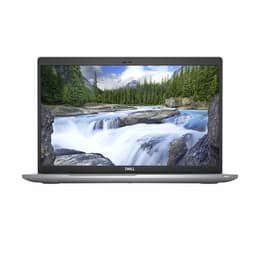
Dell Latitude 5520 15"
Starting at

Refurbished price:A$800.00

Versus A$1,200.00 new

See options
Dell Latitude 7200 2-in-1 12"
See options

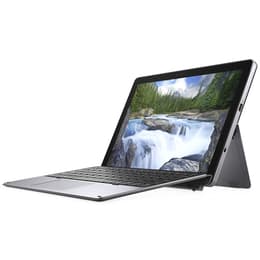
The Dell Latitude 5520 15, released in 2021, is a traditional business laptop designed for productivity, while the Dell Latitude 7200 2-in-1 12, launched in 2019, offers a more versatile, detachable tablet experience. These devices cater to different user needs, primarily distinguished by their form factor, screen size, and the generation of their internal components. Both run on the Windows operating system, providing a familiar software environment for business and general use.

Scores

Durability

When considering the practical lifespan of these devices, several factors come into play, including their release timelines, operating system support, and ease of maintenance.

  • Release Timeline: The Latitude 5520 was released in 2021, making it a newer device compared to the Latitude 7200 2-in-1, which debuted in 2019. This difference in age directly impacts the duration of future software and security updates.
  • OS Support: The Latitude 5520 officially supports Windows 11, ensuring a longer period of direct support and feature updates from Microsoft. While the Latitude 7200 2-in-1 can run Windows 11, its 8th-generation processors are not officially supported by Microsoft for direct upgrades, potentially leading to limited feature updates or requiring workarounds for future major OS versions.
  • Repairability and Upgradability: The Latitude 5520 offers accessible internals, with two SODIMM slots for RAM upgrades up to 64GB and two M.2 PCIe storage slots, one supporting Gen 4 speeds. The Latitude 7200 2-in-1 allows for SSD upgrades, but its RAM is soldered to the motherboard, limiting memory expansion. Both devices are designed with business-grade durability in mind.

Release year

2021

2019

Last Os Compatibility

Yes

Yes

Operating system

Windows 11

Windows 11

Performance

The performance capabilities of these two Dell Latitude models are influenced by their respective hardware generations, impacting how smoothly they handle daily tasks and more demanding applications.

  • Processor Capabilities: The Latitude 5520 features 11th-generation processors, which offer improved efficiency and performance for general computing, multitasking, and moderate workloads compared to the 8th-generation processors found in the Latitude 7200 2-in-1. Users will experience faster application loading and more responsive system interactions on the 5520.
  • Memory and Storage: The Latitude 5520 supports up to 64GB of DDR4 RAM, providing substantial headroom for heavy multitasking and running multiple applications simultaneously. The Latitude 7200 2-in-1 typically comes with up to 16GB of LPDDR3 RAM, which is sufficient for standard business tasks but offers less capacity for intensive use cases. Both models utilize fast NVMe SSDs for storage, contributing to quick boot times and rapid data access.
  • Real-world Responsiveness: For everyday office applications, web browsing, and video conferencing, both devices provide a smooth experience. However, the newer architecture and higher potential RAM in the Latitude 5520 make it better suited for sustained demanding tasks, such as complex data analysis or working with large multimedia files, offering a more fluid and less constrained workflow.

Memory (GB)

16 GB

16 GB

Processor

Core i5-1145G7

Core i5 - Gen 8 (U)

Graphic card

Integrated Graphics

Integrated Graphics

Screen quality

The visual experience on these two Latitude devices differs significantly due to their distinct form factors and display specifications.

  • Display Technology and Resolution: The Latitude 5520 typically offers a 15.6-inch Full HD (1920 x 1080) IPS display, providing clear images and good viewing angles suitable for extended work sessions. The Latitude 7200 2-in-1 features a smaller 12.3-inch IPS touchscreen with a 1920 x 1280 resolution and a 3:2 aspect ratio, which offers more vertical screen real estate, beneficial for document viewing and web browsing.
  • Brightness and Clarity: Both displays generally offer adequate brightness for indoor use. The Latitude 5520's anti-glare screen with 250 cd/m² brightness aims to reduce reflections in varied lighting conditions. The 7200 2-in-1's glossy touchscreen provides vibrant colors, though it may be more prone to reflections in bright environments.
  • Screen Size and Viewing Experience: The larger 15.6-inch screen of the 5520 is advantageous for users who require more screen space for multitasking or detailed work, reducing the need for external monitors. The 12.3-inch display of the 7200 2-in-1, combined with its 2-in-1 design, prioritizes portability and touch interaction, making it suitable for on-the-go use where a compact form factor is preferred.

Resolution

1920 x 1080

1920 x 1080

Screen type

LCD

LED

Camera

Audiovisual

The audio-visual components of these laptops are designed to support professional communication and media consumption, with some differences in their camera and sound systems.

  • Camera System: The Latitude 5520 includes an HD IR webcam, with options for a Full HD (1080p) IR camera, enhancing video conferencing quality and enabling facial recognition for secure login. The Latitude 7200 2-in-1 features a front-facing 5MP (1080p) webcam and an 8MP rear-facing camera, offering flexibility for both video calls and capturing images or documents in tablet mode.
  • Microphone Quality: Both devices are equipped with integrated microphone arrays designed to capture clear audio for calls and virtual meetings, aiming to reduce background noise for effective communication.
  • Speaker Output: The Latitude 5520 features dual 2W speakers, providing clear audio for presentations and media. The Latitude 7200 2-in-1 also includes dual stereo speakers with MaxxAudio Pro, which enhances the audio experience for media consumption and calls.

Miscellaneous

Beyond core performance and display, several practical features differentiate these two Dell Latitude models, influencing their usability in various professional settings.

  • Connectivity Options: The Latitude 5520 supports Wi-Fi 6 and Bluetooth 5.1, along with two Thunderbolt 4 ports, offering high-speed data transfer and versatile connectivity for modern peripherals and external displays. The Latitude 7200 2-in-1 features Wi-Fi 5 (802.11ac) and Bluetooth 5.0, with two Thunderbolt 3 ports, providing robust connectivity though with slightly older standards. Both include USB-A ports and microSD card readers.
  • Portability and Build: The Latitude 5520, starting at 1.59 kg, is a traditional laptop with a 15.6-inch form factor, suitable for desk-bound productivity or occasional travel. Its chassis incorporates bioplastics, reflecting a focus on sustainable materials. The Latitude 7200 2-in-1 is significantly lighter as a tablet (0.85 kg) and around 1.18 kg with its keyboard, making it highly portable and ideal for users who frequently move between locations or require a tablet for field work. Its magnesium alloy and aluminum construction provides a premium feel and durability.
  • Security Features: Both models offer enterprise-grade security features. The 5520 includes a fingerprint reader, optional IR face recognition, and a camera privacy shutter. The 7200 2-in-1 also offers optional fingerprint readers and IR cameras, along with a SmartCard reader option, catering to secure business environments.

Weight

1590 oz

851 oz

Screen size

15

12

The Dell Latitude 5520 15 and the Dell Latitude 7200 2-in-1 12 cater to distinct user needs within the professional computing landscape. Users frequently praise the Latitude 5520 for its larger screen, comfortable keyboard with a numeric keypad, and robust performance for everyday business tasks, often noting its good battery life for a 15-inch laptop. Some users, however, might find its display color accuracy to be a limitation for creative work.

The Latitude 7200 2-in-1 is often lauded for its exceptional portability, versatile 2-in-1 design, and solid build quality, making it a strong contender for mobile professionals. Its detachable keyboard and pen support are frequently highlighted as practical advantages for those needing both laptop and tablet functionality. Criticisms sometimes point to its battery life being less than ideal for a full day of heavy use, and its older processor generation compared to newer models.

Users prioritizing a larger display, higher performance for sustained workloads, and a more traditional laptop experience will find the Latitude 5520 15 well-suited to their needs. Its newer components and official Windows 11 support also offer a longer future-proof period. Conversely, professionals who value extreme portability, a flexible 2-in-1 form factor for presentations or field work, and touch interaction will likely lean towards the Latitude 7200 2-in-1 12. Both devices represent reliable choices for business use, and considering a quality-assured refurbished option for either model can be an eco-friendly alternative for acquiring these professional tools.

See all articles

Our recent comparisons