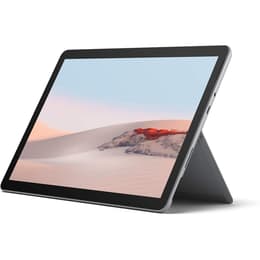
Dell Latitude 5310 13" vs Microsoft Surface Go 2 10"

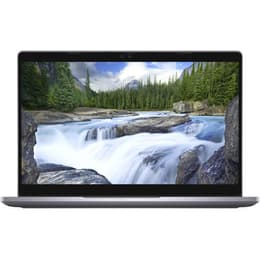
Dell Latitude 5310 13"
See options
Microsoft Surface Go 2 10"
See options

The Dell Latitude 5310 13 (2020) and Microsoft Surface Go 2 10 (2020) are both portable computing devices released in the same year, offering distinct approaches to mobile productivity. The Latitude 5310 is a business-oriented 2-in-1 laptop running Windows, designed for robust performance and versatility, while the Surface Go 2 is a more compact and lightweight 2-in-1 tablet that also runs Windows, prioritizing portability and touch-first interaction. Their primary differentiators lie in their form factor, processing power, and intended use cases.

Scores

Durability

Both devices, released in 2020, benefit from ongoing software support from Microsoft for their Windows operating system.

  • Operating System Updates: Both the Dell Latitude 5310 13 and the Microsoft Surface Go 2 10 launched with Windows 10 and are eligible for upgrades to Windows 11, ensuring several more years of security patches and feature updates. Users can expect continued software support for a comparable duration, typically around 5-7 years from their release.
  • Hardware Longevity: The Latitude 5310, a business-grade laptop, is often built with components designed for sustained use and easier internal access for potential repairs, contributing to a longer practical lifespan. The Surface Go 2, while well-built, has a more integrated design, which can make component-level repairs more challenging.
  • Repairability: Dell's Latitude series generally offers better repairability, allowing for easier replacement of components like RAM and storage, extending the device's useful life. The Surface Go 2's design tends to be less user-serviceable, potentially leading to a shorter practical lifespan if major components fail.

Release year

2020

2018

Last Os Compatibility

Yes

Yes

Operating system

Windows 11

Windows 11

Performance

The performance capabilities of these two devices cater to different user needs, primarily due to their internal hardware configurations.

  • Processing Power: The Dell Latitude 5310 13, with its range of processors, is designed to handle more demanding business applications, extensive multitasking, and moderate data processing with greater efficiency. The Surface Go 2, with its more power-efficient processors, is better suited for everyday tasks such as web browsing, document editing, and light media consumption.
  • Multitasking and Responsiveness: Users of the Latitude 5310 will generally experience smoother transitions between multiple applications and faster loading times for more intensive software. The Surface Go 2 provides adequate responsiveness for typical daily use, but may show limitations when running numerous applications simultaneously or engaging in resource-heavy activities.
  • Storage and Memory: The Latitude 5310 typically offers more generous RAM configurations and faster solid-state drive (SSD) storage options, contributing to overall system speed and the ability to manage larger files. The Surface Go 2's base models come with less RAM and slower storage, impacting performance for users with higher demands.

Memory (GB)

16 GB

8 GB

Processor

Core i5 - Gen 10 (U)

Core m3 - Gen 8 (Y)

Graphic card

Integrated Graphics

Intel UHD Graphics 615

Screen quality

Both devices offer touch-enabled displays, but they differ in size, resolution, and overall viewing experience.

  • Display Technology and Size: The Dell Latitude 5310 13 features a 13.3-inch Full HD (1920x1080) IPS touch display, providing a larger workspace and good viewing angles for productivity. The Microsoft Surface Go 2 10 has a 10.5-inch PixelSense display with a slightly higher resolution (1920x1280) and a 3:2 aspect ratio, often preferred for document viewing and reading.
  • Clarity and Brightness: Both screens offer clear visuals. The PixelSense display on the Surface Go 2 is known for vibrant colors and good contrast, while the Latitude 5310's IPS panel delivers consistent color reproduction. Brightness levels are generally sufficient for indoor use on both, with the Latitude often offering higher peak brightness for better outdoor visibility.
  • Touch and Pen Experience: Both devices support touch input. The Latitude 5310 often features active pen support for note-taking and drawing. The Surface Go 2 is designed with a strong emphasis on touch and pen interaction, offering a highly responsive experience with its optional Surface Pen, making it suitable for creative tasks and digital ink.

Resolution

1920 x 1080

1920 x 1280

Screen type

IPS

LCD

Audiovisual

The camera systems on these devices are primarily designed for video conferencing and basic photography, with some notable differences.

  • Front-Facing Camera: The Microsoft Surface Go 2 10 features a 5-megapixel front-facing camera capable of 1080p video, providing clear visuals for video calls. The Dell Latitude 5310 13 typically includes an HD webcam, suitable for standard video conferencing needs.
  • Rear-Facing Camera: The Surface Go 2 includes an 8-megapixel rear-facing camera, also capable of 1080p video, useful for scanning documents or taking quick photos in tablet mode. The Latitude 5310, being a traditional laptop, generally does not feature a rear-facing camera.
  • Audio Quality: Both devices incorporate microphones suitable for voice calls. The Surface Go 2 often includes dual far-field studio mics designed to pick up voices clearly. The Latitude 5310 also provides integrated microphones. Speaker output on both is generally adequate for personal media consumption and conference calls, with the Surface Go 2's front-firing speakers offering a direct sound experience.

Miscellaneous

Beyond core performance and display, several other features contribute to the overall user experience and utility of these devices.

  • Portability and Form Factor: The Microsoft Surface Go 2 10 is significantly lighter and more compact, designed for maximum portability and ease of use as a tablet. The Dell Latitude 5310 13, while still a portable 2-in-1, is heavier and larger, offering a more traditional laptop feel and a sturdier build for business environments.
  • Connectivity Options: Both devices support modern wireless standards like Wi-Fi 6 and Bluetooth. The Latitude 5310 often includes a wider array of physical ports, such as multiple USB-A and USB-C ports, HDMI, and a microSD card reader, providing extensive connectivity. The Surface Go 2 features a USB-C port, a Surface Connect port, and a microSDXC card reader, requiring adapters for some peripherals.
  • Security and Biometrics: The Latitude 5310, a business laptop, often includes advanced security features like a fingerprint reader and optional smart card reader. The Surface Go 2 supports Windows Hello facial recognition for convenient and secure login.

Weight

7500 oz

544 oz

Screen size

13

10

User feedback for the Dell Latitude 5310 13 often praises its robust build quality, reliable performance for business tasks, and its versatile 2-in-1 design. Users frequently highlight its comprehensive port selection and upgradeability as significant advantages for long-term professional use. Some common criticisms revolve around its weight compared to ultra-light alternatives and potential fan noise under heavy load.

The Microsoft Surface Go 2 10 is frequently lauded by users for its exceptional portability, vibrant display, and seamless integration of its tablet and laptop modes, making it a popular choice for students and those needing a highly mobile device. Its excellent front-facing camera and microphone setup are often cited as benefits for video conferencing. However, some users express concerns about the performance limitations of its base models for more demanding applications and the additional cost of essential accessories like the Type Cover and Surface Pen.

Users prioritizing a durable, full-featured laptop experience with strong performance for productivity and multitasking will find the Dell Latitude 5310 13 well-suited to their needs. Its larger screen and extensive connectivity make it ideal for a primary work device. Conversely, individuals who value extreme portability, a tablet-first experience, and excellent video conferencing capabilities for light tasks and content consumption may lean toward the Microsoft Surface Go 2 10. Both devices offer a quality-assured refurbished option, providing an eco-friendly alternative for consumers seeking reliable technology. The choice ultimately depends on whether a user prioritizes raw power and traditional laptop functionality or ultimate portability and a versatile tablet experience.

See all articles

Our recent comparisons