Compare models
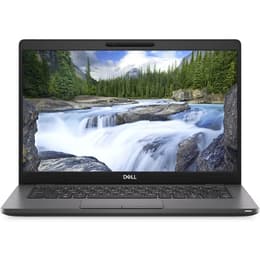
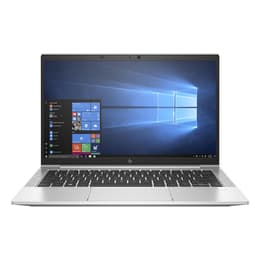
Dell Latitude 5300 13" vs HP EliteBook 830 G7 13"
- 1-year warranty
- Free standard shipping
- Free 30-day returns
Differences at a glance
The Dell Latitude 5300 13" (2019) and the HP EliteBook 830 G7 13" (2020) are compact business laptops designed for portability and reliable daily productivity. While they share similar screen sizes and professional focuses, the HP EliteBook arrives a generation later with updated processing architecture and a sleek aluminum chassis, whereas the Dell Latitude relies on a sturdy, utilitarian construction. Both run on Windows operating systems and cater well to mobile professionals and students seeking dependable everyday tools.
Scores
Durability
When evaluating longevity and structural durability, both business-class notebooks offer robust designs built to handle regular travel, though their release years introduce slight differences in update timelines.
- Release timeline and support: The HP EliteBook 830 G7 launched a year later than the Dell Latitude 5300, granting it a slightly extended window for firmware updates and software compatibility.
- Repairability and build: Both models feature modular internal components that allow technicians to service batteries and storage drives easily, ensuring long-term usability.
- Expected lifespan: Choosing a quality-assured refurbished option from these professional lineups extends device utility while providing reliable daily performance for years to come.
Release year
2019
2019
Last Os Compatibility
Yes
Yes
Operating system
Windows 11
Windows 11
Performance
System responsiveness and storage configurations on both laptops handle standard office workloads, multi-tab web browsing, and document editing smoothly, though generation gaps affect overall processing speed.
- Processor capabilities: The HP EliteBook benefits from a newer processor generation that manages heavy multitasking and demanding background applications with greater thermal efficiency, while the Dell Latitude handles routine daily tasks adequately.
- Memory and storage: Both notebooks support configurable solid-state drive storage and flexible RAM capacities, ensuring fast system boot times and quick file retrieval.
- Battery behavior: Typical use cases yield consistent full-workday battery life on both machines, though heavier processing tasks will require more frequent charging intervals.
Graphic card
Integrated Graphics
Integrated Graphics
Screen quality
Display configurations on these 13-inch devices prioritize clarity and anti-glare properties to reduce eye strain during extended work sessions.
- Display technology: Both laptops feature Full HD panels with wide viewing angles, rendering crisp text and clear visuals for spreadsheets and media consumption.
- Brightness and outdoor use: The HP EliteBook offers configurable brightness tiers that reach higher maximum nits on select panels for outdoor legibility, while the Dell Latitude provides standard indoor brightness levels.
- Viewing experience: Narrow bezels on both models maximize screen estate within compact chassis footprints, creating an immersive workspace for professional tasks.
Resolution
1366 x 768
1920 x 1080
Screen type
IPS
IPS
Camera
Audiovisual
Multimedia features on business laptops focus primarily on clear communication capabilities and functional audio output for virtual meetings.
- Webcam performance: Both devices include standard integrated webcams positioned above the display, accompanied by dual-array microphones that capture clear audio for conference calls.
- Speaker output: Built-in stereo speakers deliver adequate volume for voice communication and casual media streaming, though external headphones are recommended for immersive listening.
- Recording quality: Video conferencing tools run reliably on both systems with stable frame rates under standard network conditions.
Miscellaneous
Practical everyday features, physical dimensions, and port selections define how easily these laptops integrate into mobile work environments.
- Port selection: Both machines include versatile connection options such as USB Type-C ports, traditional USB ports, and video outputs for external monitors.
- Connectivity standards: Reliable Wi-Fi and Bluetooth modules ensure stable wireless connections to accessories and networks.
- Dimensions and weight: The HP EliteBook utilizes an aluminum build that trims millimeters for a lighter travel profile, while the Dell Latitude relies on a dense composite housing optimized for rugged daily handling.
Weight
1330 oz
1240 oz
Screen size
13
13
What the community thinks
User feedback across community forums highlights distinct preferences for each device based on individual workflow habits. Owners of the Dell Latitude 5300 frequently praise its dependable keyboard layout, straightforward serviceability, and sturdy construction that withstands heavy daily commuting. Conversely, users favor the HP EliteBook 830 G7 for its slim aluminum aesthetic, modern security additions, and slightly punchier multi-core processing speeds during demanding multitasking sessions. Frequent criticisms for both models generally point toward standard integrated graphics limitations that are unsuited for intensive 3D gaming or professional video rendering.
Users prioritizing a sleek metallic chassis and newer internal components may prefer the HP EliteBook 830 G7, while users seeking a dependable, utilitarian productivity tool will find the Dell Latitude 5300 well-suited to their needs. Both laptops serve as practical, sustainable choices when selected as quality-assured refurbished devices, offering reliable performance tailored to students, travelers, and professionals alike.