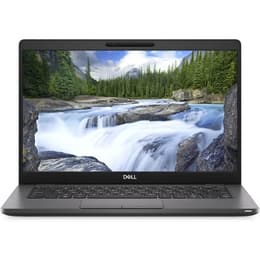
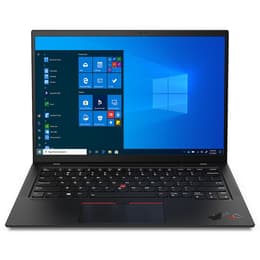

Dell Latitude 5300 13" vs Lenovo ThinkPad X1 Carbon G9 14"

Dell Latitude 5300 13"
Starting at

Refurbished price:A$459.00

Versus A$750.00 new

See options
Lenovo ThinkPad X1 Carbon G9 14"
Starting at

Refurbished price:A$612.00

Versus A$3,837.00 new

See options

The Dell Latitude 5300 13 and the Lenovo ThinkPad X1 Carbon Gen 9 14 are business-oriented laptops designed for productivity and portability. Released in 2019 and 2021 respectively, these devices offer distinct approaches to mobile computing, primarily differing in their display size, internal components, and overall design philosophy. Both run on the Windows operating system, providing a familiar environment for professional users.

Scores

Durability

When considering the long-term usability of these laptops, their release timelines and design choices play a significant role.

  • Release Timeline: The Dell Latitude 5300 13 was introduced in 2019, while the Lenovo ThinkPad X1 Carbon Gen 9 14 followed in 2021. This two-year difference means the ThinkPad benefits from more recent hardware and potentially a longer period of software support from its manufacturer.
  • Software Longevity: Both devices are compatible with current Windows operating systems. However, the newer release of the ThinkPad X1 Carbon Gen 9 suggests it will receive operating system updates and security patches for a longer duration, extending its practical lifespan for users who prioritize the latest software features and security.
  • Repairability and Build: The Dell Latitude 5300 13 features a carbon-fiber reinforced plastic chassis, offering a sturdy build. It also provides user-accessible slots for RAM and storage upgrades, which can extend its useful life by allowing component replacements or enhancements [5]. In contrast, the Lenovo ThinkPad X1 Carbon Gen 9 14 utilizes a blend of carbon fiber and magnesium alloy, contributing to its lighter weight and robust construction, having passed MIL-STD 810G durability tests [11, 14, 18]. However, its RAM is soldered to the motherboard, limiting upgrade options [14, 24].

Release year

2019

2020

Last Os Compatibility

Yes

Yes

Operating system

Windows 11

Windows 11

Performance

The performance capabilities of these laptops are influenced by their respective generations of internal components, impacting how they handle daily tasks and demanding applications.

  • Processing Power: The Dell Latitude 5300 13 is equipped with 8th generation Intel Core processors, suitable for general office tasks, web browsing, and light multitasking [2, 5]. The Lenovo ThinkPad X1 Carbon Gen 9 14, featuring 11th generation Intel Core processors, offers a more responsive experience for demanding applications, complex data processing, and smoother handling of multiple tasks simultaneously [8, 16, 20].
  • Multitasking and Responsiveness: The Latitude 5300 13 supports up to 32GB of DDR4 RAM, with user-accessible slots for potential upgrades [5]. The ThinkPad X1 Carbon Gen 9 14 also offers up to 32GB of LPDDR4x RAM, which is soldered to the motherboard, providing efficient performance for intensive multitasking and faster data access [8, 14, 24].
  • Graphics and Storage: The Dell Latitude 5300 13 includes integrated Intel UHD Graphics 620, sufficient for everyday visual tasks and video playback [4, 5]. The ThinkPad X1 Carbon Gen 9 14 integrates Intel Iris Xe Graphics, which delivers enhanced performance for photo and video editing, as well as casual gaming [13, 16, 24]. Both models offer fast NVMe SSD storage options, ensuring quick boot times and rapid application loading [5, 8].

Memory (GB)

8 GB

16 GB

Processor

Core i5 - Gen 8 (U)

Core i5-1135G7

Graphic card

Integrated Graphics

Integrated Graphics

Screen quality

The visual experience on these laptops varies due to differences in display size, aspect ratio, and panel technology.

  • Display Size and Aspect Ratio: The Dell Latitude 5300 13 features a 13.3-inch display with a traditional 16:9 aspect ratio [3, 26]. The Lenovo ThinkPad X1 Carbon Gen 9 14, on the other hand, offers a larger 14-inch screen with a 16:10 aspect ratio, providing more vertical screen real estate that can be beneficial for document work and web browsing [7, 16, 18].
  • Resolution and Brightness: The Latitude 5300 13 typically comes with a Full HD (1920 x 1080) IPS display, with some configurations offering up to 300 nits of brightness [2, 3, 26]. The ThinkPad X1 Carbon Gen 9 14 provides several display options, including Full HD+ (1920 x 1200) IPS panels with up to 400 nits of brightness, and higher-resolution WQUXGA (3840 x 2400) IPS options that can reach 500 nits and offer wider color gamut coverage [7, 8, 11, 14, 16, 18].
  • Viewing Experience: Both laptops offer IPS panels, ensuring wide viewing angles. The Latitude 5300 13 often features anti-glare finishes, while the X1 Carbon Gen 9 offers both matte and glossy options, with some glossy panels providing vibrant colors and deeper blacks [2, 4, 25]. The X1 Carbon Gen 9 also includes TÜV Rheinland-certified low blue light emissions on some panels for reduced eye strain [8, 13].

Resolution

1920 x 1080

1920 x 1200

Screen type

LED

IPS

Camera

Audiovisual

For communication and multimedia, both laptops include essential features, though with some distinctions in their audio-visual capabilities.

  • Webcam and Microphones: Both the Dell Latitude 5300 13 and the Lenovo ThinkPad X1 Carbon Gen 9 14 are equipped with 720p HD webcams, suitable for video conferencing [4, 12, 14, 30]. The ThinkPad X1 Carbon Gen 9 enhances the audio input with a quad-microphone array, designed to improve clarity during calls [12, 13]. It also features a physical privacy shutter for the webcam, offering an additional layer of security [12, 13].
  • Speaker Output: The Latitude 5300 13 provides standard audio output for general use. The ThinkPad X1 Carbon Gen 9 14, however, incorporates a Dolby Atmos Speaker System with two upward-firing speakers and two downward-firing woofers, aiming to deliver a more immersive sound experience for media consumption and virtual meetings [13, 15].
  • Video Recording: While both offer 720p webcams, the overall video recording quality for casual use is comparable. The enhanced microphone array on the ThinkPad X1 Carbon Gen 9 may result in clearer audio capture during video calls or recordings.

Miscellaneous

Beyond core performance, several practical elements differentiate these two business laptops, affecting connectivity, handling, and security.

  • Connectivity Options: The Dell Latitude 5300 13 supports Wi-Fi 5 (802.11ac) and Bluetooth 5.0, with optional Wi-Fi 6 and 4G LTE [5]. The Lenovo ThinkPad X1 Carbon Gen 9 14 features newer Wi-Fi 6 (802.11ax) and Bluetooth 5.2 standards, along with optional 4G or 5G WWAN for advanced wireless connectivity [12, 14, 15, 17].
  • Port Selection: The Latitude 5300 13 offers a comprehensive set of ports, including two USB 3.1 Gen 1 Type-A, one USB-C (with optional Thunderbolt 3), HDMI 1.4b, Gigabit Ethernet, and a microSD card reader [4, 5, 35]. The ThinkPad X1 Carbon Gen 9 14 provides two Thunderbolt 4 ports, two USB-A 3.2 Gen 1, HDMI 2.0, and a headphone/mic combo jack, but notably lacks a built-in SD or microSD card slot [8, 12, 14, 15, 18].
  • Physical Attributes and Security: The Latitude 5300 13 starts at approximately 1.24 kg for the laptop model and has a thickness of around 19mm [5]. It includes security features like an optional fingerprint reader and SmartCard reader [4, 5]. The ThinkPad X1 Carbon Gen 9 14 is lighter at about 1.13 kg and thinner at 14.9mm [11, 16]. It offers advanced security options such as an IR camera for facial recognition, a fingerprint reader, and a webcam privacy shutter [12, 13, 14].

Weight

1240 oz

7500 oz

Screen size

13

14

The Dell Latitude 5300 13 and the Lenovo ThinkPad X1 Carbon Gen 9 14 cater to business users with distinct priorities. The Latitude 5300, released in 2019, is often praised for its robust build, comprehensive port selection including an Ethernet port, and the ability to upgrade RAM and storage, which can extend its functional life [5, 35]. Some users have noted its display brightness could be higher for outdoor use [6].

The ThinkPad X1 Carbon Gen 9, launched in 2021, is frequently lauded for its exceptionally lightweight and thin design, superior display options with a productivity-friendly 16:10 aspect ratio, and significantly longer battery life [7, 11, 16, 18, 22]. Its advanced connectivity, including Thunderbolt 4 and optional 5G, also receives positive feedback [12, 14, 15]. However, the soldered RAM limits future upgrades, and the absence of a microSD card slot might be a minor inconvenience for some [15, 18, 24].

Users prioritizing a more modern design, enhanced performance for demanding tasks, and extended battery life for frequent travel may find the Lenovo ThinkPad X1 Carbon Gen 9 14 well-suited to their needs. Its lighter weight and advanced display options make it ideal for professionals on the go who value screen quality and portability. Conversely, users who require a wider range of legacy ports, the flexibility of upgradable components, and a slightly more traditional business laptop experience might lean towards the Dell Latitude 5300 13. Both models represent reliable choices for business use, and considering a quality-assured refurbished option can be an eco-friendly alternative for acquiring either device.


See all articles

Our recent comparisons