
Galaxy Z Flip6 vs Google Pixel 8

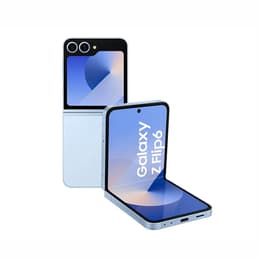
Galaxy Z Flip6
Galaxy Z Flip6
Starting at

Refurbished price:A$699.00

Versus A$1,649.00 new

See options
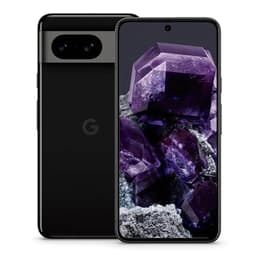
Google Pixel 8
Google Pixel 8
Starting at

Refurbished price:A$465.00

Versus A$1,245.00 new

See options

Ratings

The Samsung Galaxy Z Flip6, released in July 2024, and the Google Pixel 8, launched in October 2023, offer distinct approaches to the modern smartphone experience. The Z Flip6 features an innovative foldable clamshell design, providing a compact form factor when closed, while the Pixel 8 maintains a traditional slab design known for its robust software integration and camera capabilities. Both devices operate on the Android platform, yet they present different user interfaces and feature sets tailored to their respective ecosystems.

Scores

Durability

When considering the longevity of these devices, both offer substantial software support, though with notable differences in their update policies and physical designs.

  • Software Updates: The Google Pixel 8 stands out with a commitment to seven years of operating system and security updates from its release date. The Galaxy Z Flip6, being a newer device, is expected to receive five years of OS updates and seven years of security updates, aligning with Samsung's current policy.
  • Physical Durability: The Pixel 8 features a traditional, rigid design with IP68 water and dust resistance, and its display is protected by Gorilla Glass Victus. The Z Flip6, with its unique folding screen, offers IP48 water and dust resistance, meaning it can withstand submersion but has limited dust protection for particles up to 1mm. Its inner display uses ultra-thin glass, and the cover screen and back are protected by Gorilla Glass Victus 2. The Z Flip6 also incorporates an improved hinge and an Armor Aluminum frame for enhanced resilience.
  • Practical Lifespan: Users prioritizing the absolute longest software support will find the Pixel 8's extended update promise appealing. The Z Flip6's innovative design, while offering a different kind of utility, requires careful handling of its folding screen compared to a rigid display.

Release year

2024

2023

Compatible with latest Update

Yes

Yes

Operating system

Android

Android

Foldable

Yes

No

Performance

Both the Samsung Galaxy Z Flip6 and the Google Pixel 8 deliver strong performance for everyday tasks, though their underlying hardware is optimized for different priorities.

  • Processing Power: The Galaxy Z Flip6 is equipped with a current-generation processor, providing robust performance for demanding applications, multitasking, and mobile gaming. The Pixel 8 features a processor specifically engineered to excel in on-device artificial intelligence and machine learning tasks, enhancing features like photo editing and voice recognition.
  • System Responsiveness: The Z Flip6 benefits from 12GB of RAM, contributing to smooth multitasking and app management. The Pixel 8 comes with 8GB of RAM, which is sufficient for most daily operations and app usage.
  • Thermal Management: The Galaxy Z Flip6 includes a vapor chamber cooling system, which helps maintain performance during extended demanding use, such as gaming. The Pixel 8's processor also focuses on efficiency to manage heat and optimize performance for its AI-centric tasks.

Memory (GB)

12 GB

8 GB

Screen quality

The display experience is a key differentiator between these two devices, with the Z Flip6 offering a unique dual-screen setup and the Pixel 8 providing a high-quality traditional panel.

  • Display Technology and Clarity: Both phones utilize vibrant OLED technology, delivering deep blacks and excellent contrast. The Galaxy Z Flip6 features a 6.7-inch foldable Dynamic AMOLED 2X main screen with a 1080 x 2640 pixel resolution, alongside a functional 3.4-inch Super AMOLED cover screen. The Pixel 8 has a single 6.2-inch FHD+ (2400 x 1080) OLED display, referred to as an Actua display, offering sharp text and clear images.
  • Brightness and Refresh Rate: The Z Flip6's main display offers an adaptive refresh rate of 1-120Hz and a peak brightness of 2,600 nits, providing smooth scrolling and good visibility in various lighting conditions. The Pixel 8's display also features a variable refresh rate of 60-120Hz and a peak brightness of 2,000 nits, ensuring a responsive and bright viewing experience, even outdoors.
  • Viewing Experience: The Z Flip6's foldable design allows for a compact device that unfolds into a larger screen, offering versatility for media consumption and multitasking. The Pixel 8 provides a consistent, flat display experience, which some users may prefer for traditional smartphone use.

Resolution

1080 x 2640

1080 x 2400

Screen type

Foldable Dynamic LTPO AMOLED 2X

OLED

Audiovisual

Both smartphones offer capable camera systems, but they approach photography with different strengths and features.

  • Rear Camera System: The Galaxy Z Flip6 features a dual-camera setup with a 50MP wide-angle main lens (f/1.8, OIS) and a 12MP ultra-wide-angle lens (f/2.2). The Google Pixel 8 also has a dual-camera system, comprising a 50MP main lens (f/1.68, OIS) and a 12MP ultrawide lens (f/2.2) with autofocus, which enables a macro mode.
  • Photography Performance: The Pixel 8 is highly regarded for its computational photography, consistently producing images with natural colors, excellent exposure, and strong dynamic range, performing particularly well in low-light conditions with its Night Sight feature. The Z Flip6's main camera captures good detail in bright environments and vibrant colors, though some users note occasional oversaturation. Its low-light performance is considered good but can sometimes result in softer details.
  • Video and Selfies: Both devices are capable of recording 4K video at 60 frames per second with strong stabilization. For selfies, the Z Flip6 utilizes a 10MP front camera and can also leverage its main cameras with the cover screen as a viewfinder, offering creative angles. The Pixel 8 has a 10.5MP ultrawide front camera, which provides good detail and accurate portrait mode, though it lacks autofocus.

Main camera

50 megapixels

50 megapixels

Front camera

10 megapixels

10.5 megapixels

Miscellaneous

Beyond their core features, both the Galaxy Z Flip6 and Google Pixel 8 offer a range of practical elements that contribute to their overall user experience.

  • Connectivity and Ports: Both devices support 5G connectivity, ensuring fast mobile data speeds. The Z Flip6 supports Wi-Fi 6 (ax) and Bluetooth 5.3, while the Pixel 8 offers Wi-Fi 7 and Bluetooth 5.3. Both utilize a USB Type-C port for charging and data transfer, with the Pixel 8 featuring USB 3.2.
  • Biometric Security: The Pixel 8 includes an in-display fingerprint scanner and facial scanning capabilities. The Z Flip6 typically features a side-mounted fingerprint sensor integrated into the power button.
  • Design and Handling: The Galaxy Z Flip6 weighs 187g and offers a compact, pocketable design when folded, making it easy to carry. The Pixel 8 also weighs 187g, providing a balanced feel in hand with its traditional slab form factor.

Weight

187 oz

187 oz

Screen size (in)

6.7

6.2

Network

5G

5G

SIM card

Physical SIM + eSIM

Physical SIM + eSIM

Carrier compatibility

Unlocked

Unlocked

User feedback for the Samsung Galaxy Z Flip6 often praises its unique foldable design, which offers a blend of portability and a large screen experience. Users appreciate the improved battery life compared to previous Flip models and the enhanced main camera for everyday shots. Some common criticisms include the inner screen's crease, though it is less noticeable than before, and the camera's performance in challenging low-light scenarios compared to traditional flagships. The cover screen's utility for quick tasks and selfies is frequently highlighted as a positive.

The Google Pixel 8 receives consistent praise for its exceptional camera quality, particularly its computational photography and low-light capabilities, often cited as among the best in its class. Users also value its clean Android experience, timely software updates, and the integration of Google's AI features. Some common concerns revolve around battery life, with some users reporting inconsistent performance, especially when heavily relying on mobile data or 5G. The Pixel 8's design, while refined, is a more conventional smartphone form factor.

Users prioritizing a compact, stylish device that offers a large screen when needed, along with a capable camera for general use, may find the Galaxy Z Flip6 well-suited to their needs. Its unique form factor and improved durability make it an appealing choice for those seeking innovation in design. Conversely, users who prioritize a top-tier camera experience, long-term software support, and a clean, AI-enhanced Android operating system in a traditional smartphone form factor will likely lean towards the Google Pixel 8. Both devices represent excellent choices, and considering a quality-assured refurbished option can be a sustainable choice for either model.
See all articles

Our recent comparisons