
Asus Zenfone 9 vs iPhone 12 Pro

Asus Zenfone 9
Asus Zenfone 9
See options
iPhone 12 Pro
iPhone 12 Pro
Starting at

Refurbished price:A$411.00

Versus A$1,119.00 new

See options

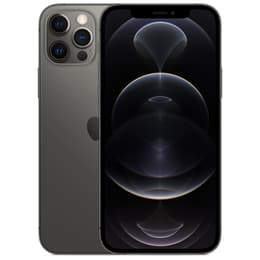
The Asus Zenfone 9, released in 2022, and the iPhone 12 Pro, launched in 2020, represent distinct approaches to premium smartphone design. While the Zenfone 9 emphasizes a compact form factor with advanced Android features, the iPhone 12 Pro offers a robust iOS experience within Apple's ecosystem. Both devices deliver strong performance and capable camera systems, but they cater to users with different preferences regarding operating system, size, and specific functionalities.

Scores

Durability

The practical lifespan of a smartphone is influenced by its release date, software support, and physical resilience. These two devices, while both durable, offer different timelines for software updates and physical protection.

  • Release Timeline: The iPhone 12 Pro was released in October 2020, making it two years older than the Asus Zenfone 9, which launched in July 2022. This age difference directly impacts the remaining period of official software support. [1, 7, 10, 18, 19, 30]
  • Software Longevity: Apple typically provides iOS updates for 5-6 years from a device's release, meaning the iPhone 12 Pro is nearing the latter half of its major OS update cycle. The Zenfone 9, running Android, generally receives fewer major OS updates than iPhones, though it launched with a more recent Android version and is upgradable to Android 13 and potentially 14. [7, 16, 30]
  • Physical Durability: Both phones feature an IP68 rating for dust and water resistance, indicating protection against immersion in water. The iPhone 12 Pro introduced Ceramic Shield for enhanced front cover durability, while the Zenfone 9 uses Gorilla Glass Victus for screen protection. [1, 2, 4, 8, 11, 19, 23, 29, 32]

Release year

2022

2020

Compatible with latest Update

Yes

Yes

Operating system

Android

iOS

Foldable

No

No

Performance

Performance in smartphones is about how smoothly applications run, how quickly tasks are completed, and the overall responsiveness of the system. Both devices offer strong performance, but their underlying architectures differ.

  • System Responsiveness: The iPhone 12 Pro, powered by its custom-designed processor, delivers a highly fluid and responsive user experience, handling everyday tasks and demanding applications with ease. The Zenfone 9, featuring a current-generation Android processor, also provides excellent speed and efficiency for multitasking, gaming, and heavy app usage. [1, 4, 13, 20, 29]
  • Multitasking and App Handling: The Zenfone 9 is available with up to 16GB of RAM, which allows for extensive multitasking and keeping many applications open in the background without slowdowns. The iPhone 12 Pro comes with 6GB of RAM, which is optimized by iOS to manage applications efficiently, providing a smooth experience even with multiple apps running. [3, 5, 7, 9, 16, 17, 29]
  • Battery Behavior: The Zenfone 9, with its 4300 mAh battery, is noted for its impressive battery longevity for a compact device, often lasting a day and a half or even two days with moderate use. The iPhone 12 Pro, equipped with a 2815 mAh battery, typically provides a full day of use for most users, though heavy usage may require more frequent charging. [3, 6, 7, 17, 22, 23, 29, 30]

Memory (GB)

6 GB

6 GB

Screen quality

The display is a primary interface for smartphone interaction, and both devices offer high-quality viewing experiences with some key differences in specifications.

  • Display Technology and Clarity: Both the Zenfone 9 and the iPhone 12 Pro feature OLED displays, known for their deep blacks and vibrant colors. The iPhone 12 Pro's Super Retina XDR display offers a resolution of 2532x1170 pixels at 460 ppi on its 6.1-inch screen. The Zenfone 9 has a 5.9-inch AMOLED display with a resolution of 2400x1080 pixels, resulting in approximately 445 ppi. [2, 4, 7, 9, 17, 29]
  • Brightness and Outdoor Visibility: Both phones offer excellent brightness levels. The iPhone 12 Pro reaches 800 nits typical brightness and up to 1200 nits for HDR content. The Zenfone 9 also achieves a peak brightness of 1100 nits, ensuring good visibility in various lighting conditions, including bright sunlight. [2, 4, 17, 20, 24]
  • Refresh Rate and Smoothness: A notable difference is the refresh rate. The Zenfone 9 features a 120Hz adaptive refresh rate, providing smoother scrolling and more fluid animations compared to the iPhone 12 Pro's standard 60Hz refresh rate. [4, 7, 20, 29]

Resolution

1080 x 2400

1170 x 2532

Screen type

Super AMOLED

Super Retina XDR OLED

Audiovisual

The camera systems on both the Zenfone 9 and iPhone 12 Pro are designed to capture high-quality images and videos, each with its own strengths and unique features.

  • Rear Camera System: The Zenfone 9 features a dual-camera setup with a 50MP main sensor that includes a 6-axis gimbal stabilization system for enhanced video and low-light photography, alongside a 12MP ultrawide lens. The iPhone 12 Pro boasts a triple 12MP camera system, comprising wide, ultrawide, and telephoto lenses, complemented by a LiDAR scanner for improved autofocus in low light and enhanced augmented reality experiences. [2, 4, 7, 13, 16, 19, 20, 24, 26]
  • Photography Performance: The Zenfone 9's gimbal stabilization contributes to stable video recording and sharper photos in challenging conditions. The iPhone 12 Pro excels in overall image processing, offering consistent quality across its lenses, with strong low-light performance and features like Night mode portraits. [3, 13, 19, 20]
  • Video Recording Capabilities: Both devices are capable of recording high-resolution video. The Zenfone 9 supports 8K video recording at 24fps, while the iPhone 12 Pro offers 4K video recording at up to 60fps with Dolby Vision HDR, providing excellent dynamic range and color accuracy. [2, 7, 13, 16, 19, 21, 23, 29]

Main camera

50 megapixels

12 megapixels

Front camera

12 megapixels

12 megapixels

Miscellaneous

Beyond the core features, several other elements contribute to the overall user experience, from connectivity to physical design and biometric security.

  • Connectivity and Ports: Both phones support 5G connectivity and modern Wi-Fi standards (Wi-Fi 6 for iPhone 12 Pro, Wi-Fi 6/6E for Zenfone 9) and Bluetooth (5.0 for iPhone 12 Pro, 5.2 for Zenfone 9). A key difference is the charging port: the Zenfone 9 uses a USB-C port, while the iPhone 12 Pro uses Apple's proprietary Lightning port. The Zenfone 9 also retains a 3.5mm headphone jack, which is absent on the iPhone 12 Pro. [2, 7, 8, 9, 16, 20, 32]
  • Biometric Security: The iPhone 12 Pro relies on Face ID for secure facial recognition. The Zenfone 9 features a side-mounted fingerprint sensor integrated into the power button, offering a quick and convenient unlocking method. [4, 15, 16, 23]
  • Design and Handling: The Zenfone 9 is notably more compact and lighter, weighing 169g with dimensions of 146.5 x 68.1 x 9.1 mm, making it suitable for one-handed use. The iPhone 12 Pro is slightly larger and heavier at 189g and 146.7 x 71.5 x 7.4 mm, offering a larger screen experience while still being manageable. [2, 3, 7, 9, 11, 23, 29]

Weight

169 oz

187 oz

Screen size (in)

5.9

6.1

Network

5G

5G

SIM card

Dual Physical SIM

Physical SIM + eSIM

Carrier compatibility

Unlocked

Unlocked

Connector

USB-C + Jack 3.5mm

Lightning

User sentiment for the Asus Zenfone 9 often highlights its exceptional battery life for a compact device and its powerful performance, making it a strong contender for those seeking a smaller Android phone without compromising on speed. Some users appreciate its clean Android software experience and the inclusion of a headphone jack. Criticisms sometimes point to its charging speed being average compared to some Android flagships and the camera, while good, not always matching the versatility of multi-lens systems on larger phones. [6, 22, 29, 34]

The iPhone 12 Pro is frequently praised for its robust and intuitive iOS ecosystem, consistent camera performance, and premium build quality. Users often commend its display and the overall integration with other Apple devices. Common concerns sometimes revolve around its battery life, which some heavy users find to be merely adequate, and the 60Hz refresh rate, which feels less fluid compared to higher refresh rate displays on newer devices. [3, 17, 23, 27]

Users prioritizing a compact Android experience with excellent battery life and a high refresh rate display may find the Asus Zenfone 9 to be a compelling choice. Its gimbal-stabilized main camera also appeals to those focused on stable video and low-light photography. Conversely, users deeply integrated into the Apple ecosystem, who value consistent software updates, a telephoto camera, and Face ID security, will likely prefer the iPhone 12 Pro. Both devices offer a quality experience, and for those considering a sustainable choice, a quality-assured refurbished option for either model can provide an eco-friendly alternative.

See all articles

Our recent comparisons