Motorola Edge 50 vs Motorola Razr 40

Motorola Edge 50
Motorola Edge 50
See options
Motorola Razr 40
Motorola Razr 40
See options

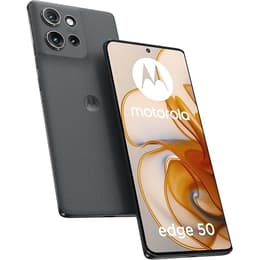
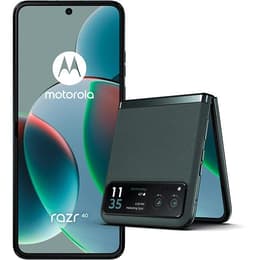
The Motorola Edge 50, released in August 2024, and the Motorola Razr 40, launched in June 2023, represent distinct approaches to smartphone design. While the Edge 50 offers a traditional, flat-screen experience, the Razr 40 stands out with its foldable flip design. These devices cater to different user preferences, primarily differing in their form factor, display technology, and release timelines, which impacts their software longevity and overall user experience.

Scores

Durability

The expected practical lifespan of a smartphone is influenced by its release date, software support, and physical durability features.

  • Release Timeline: The Motorola Edge 50, being released in August 2024, is a newer device compared to the Motorola Razr 40, which launched in June 2023. This difference in release year means the Edge 50 will likely receive software updates for a longer period.
  • OS Support: The Edge 50 launched with Android 14 and is expected to receive up to two major Android upgrades, extending its software relevance further into the future. The Razr 40, starting with Android 13, will have a shorter window for major OS updates compared to its newer counterpart.
  • Physical Durability: The Motorola Edge 50 features an IP68 rating for dust and water protection, indicating a high level of resistance to environmental elements. It also includes Gorilla Glass protection for its display. The Motorola Razr 40, with its foldable design, has a water-repellent coating (IP52 rating) and Gorilla Glass Victus on its main display, offering a degree of protection. However, some users of foldable phones have reported that the pre-installed screen protector on the main display can develop hairline cracks over time.

Release year

2024

2023

Compatible with latest Update

Yes

Yes

Operating system

Android

Android

Foldable

No

Yes

Performance

Both devices are equipped to handle daily tasks, but their internal configurations lead to differences in overall responsiveness and power efficiency.

  • Processor Capabilities: The Motorola Edge 50 is powered by a current-generation processor, enabling smooth performance for everyday applications, multitasking, and moderate gaming. The Motorola Razr 40 also features a capable processor that manages general usage and app switching effectively. Some users of the Razr 40 have reported occasional lag or a sluggish user interface, particularly during demanding tasks or extended use, and some instances of overheating. Similarly, some users of the Edge 50 series have noted occasional lag or hanging issues, especially with the camera app.
  • Memory and Storage: The Edge 50 typically comes with 8GB of RAM and 256GB of internal storage, providing ample space for applications and media. The Razr 40 offers configurations with 8GB or 12GB of RAM and storage options of 128GB or 256GB, allowing for efficient multitasking and storage of various files.
  • Battery Behavior: The Motorola Edge 50 is equipped with a 5000mAh battery, supporting 68W wired fast charging and 15W wireless charging, which generally provides extended usage for most users. The Razr 40 has a 4200mAh battery with 30W wired and 5W wireless charging, which some users have found to require more frequent charging, especially with heavy use.

Memory (GB)

12 GB

8 GB

Screen quality

The display experience is a primary differentiator, with the Edge 50 offering a traditional large screen and the Razr 40 providing a unique foldable and secondary external display.

  • Display Technology and Resolution: The Motorola Edge 50 features a 6.7-inch P-OLED display with a resolution of 1220x2712 pixels, offering sharp visuals and vibrant colors. The Motorola Razr 40's main display is a 6.9-inch foldable LTPO AMOLED panel with a resolution of 1080x2640 pixels, providing a large, immersive viewing area when unfolded.
  • Brightness and Refresh Rate: The Edge 50's display supports a 120Hz refresh rate and can reach a peak brightness of 1600 nits, enhancing smoothness and visibility in various lighting conditions. The Razr 40's main display boasts a 144Hz refresh rate, contributing to very fluid scrolling and animations, and includes a 1.5-inch external touchscreen for quick interactions and notifications when folded.
  • Viewing Experience: The Edge 50 provides a consistent, expansive viewing experience suitable for media consumption and productivity. The Razr 40's foldable nature offers the benefit of a compact device that unfolds into a large screen, with the external display adding convenience for checking information without opening the phone.

Resolution

1220x2712

1080 x 2640

Audiovisual

Both smartphones offer multi-camera setups, but their capabilities and user experiences vary, particularly in specialized photography and video recording.

  • Rear Camera System: The Motorola Edge 50 is equipped with a versatile triple-camera system on the rear, featuring a 50MP main sensor, a 13MP ultrawide lens, and a 10MP telephoto lens with 3x optical zoom, allowing for diverse photographic options. The Razr 40 has a dual-camera setup, including a 64MP main sensor and a 13MP ultrawide lens.
  • Photography Performance: The Edge 50's camera system is designed for detailed photos and offers optical zoom capabilities. Some users have reported occasional focusing issues with the telephoto camera in low-light conditions and general camera app lag in the Edge 50 series. The Razr 40's camera is generally considered adequate for everyday photos, but some users have noted that it can be slow to respond and that overall image quality, particularly in low light or for portrait mode selfies, is not its strongest feature.
  • Video Recording and Audio: The Edge 50 supports 4K video recording at 30 frames per second. The Razr 40 has limitations in video recording, such as not supporting 60 frames per second in Full HD, which might affect the capture of fast-moving subjects. Both devices offer stereo speakers, with the Edge 50 featuring Dolby Atmos for enhanced audio quality.

Front camera

32 megapixels

32 megapixels

Miscellaneous

Beyond core specifications, several practical elements contribute to the overall usability and handling of these devices.

  • Connectivity and Ports: Both the Motorola Edge 50 and Razr 40 support 5G connectivity, Wi-Fi (including newer standards), Bluetooth, and NFC for wireless interactions. Both devices utilize a USB Type-C port for charging and data transfer, and neither includes a traditional 3.5mm headphone jack.
  • Sensors and Security: The Edge 50 incorporates an in-display fingerprint sensor for biometric security. The Razr 40 features a side-mounted fingerprint sensor and also supports face unlock. Both devices include standard sensors like accelerometers, gyroscopes, and ambient light sensors.
  • Design and Handling: The Motorola Edge 50 has dimensions of 160.8 x 72.4 x 7.8 mm and weighs 180 grams, offering a relatively slim and manageable profile. It is available with a vegan leather back option. The Razr 40, when unfolded, measures 170.8 x 74 x 7.4 mm and weighs 188.6 grams, but its key characteristic is its folded form factor (88.2 x 74 x 15.8 mm), making it highly compact and pocketable. The Razr 40's build includes a plastic front and back, an aluminum frame, and a stainless steel hinge.

Weight

180 oz

189 oz

Screen size (in)

6.7

6,9

Network

5G

5G

SIM card

Physical SIM

Dual Physical SIM + eSIM

Carrier compatibility

Unlocked

Unlocked

The Motorola Edge 50 and Motorola Razr 40 cater to distinct user preferences, primarily defined by their form factors and the experiences they offer. User feedback for the Edge 50 series often praises its vibrant display, generally smooth software experience, and capable camera system, especially after software updates. However, some users have noted concerns regarding build quality, occasional software glitches, and camera performance in specific scenarios.

For the Razr 40, common praise points include its highly compact and pocketable design when folded, the utility of its external display for quick interactions, and the perceived durability of its hinge over time. Criticisms frequently revolve around its camera performance, which some users find to be slow and lacking in quality compared to other devices, as well as software annoyances like keyboard switching and limitations with the external screen's functionality. Some reports also mention screen issues and occasional performance lag.

Users prioritizing a traditional smartphone experience with a larger battery, a potentially more versatile camera system with optical zoom, and a higher level of dust and water resistance may find the Motorola Edge 50 better suited to their needs. Its newer release date also offers a longer window for software updates. Conversely, users who value a unique, compact, and stylish foldable design, along with the convenience of a secondary external display for quick glances, may lean toward the Motorola Razr 40. This device is ideal for those who appreciate the novelty and portability of a flip phone, understanding the trade-offs in camera performance and battery capacity.

For those considering either device, exploring quality-assured refurbished options can provide an eco-friendly alternative to new purchases, allowing for informed and sustainable choices.
See all articles

Our recent comparisons