iPhone
Compare models
Differences at a glance
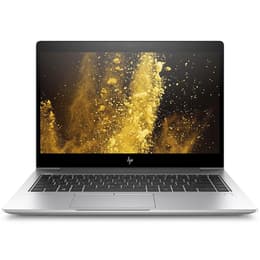
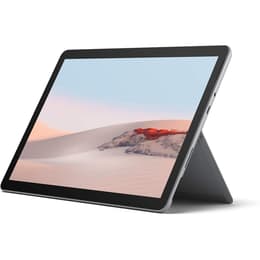
The HP EliteBook 840 G5, a 14-inch business notebook released in 2018, and the Microsoft Surface Go 2, a 10.5-inch 2-in-1 tablet launched in 2020, cater to distinct user needs. While both devices operate on the Windows ecosystem, the EliteBook prioritizes traditional laptop productivity and robust security features, whereas the Surface Go 2 emphasizes portability and versatility as a tablet-first device. Their core differences lie in form factor, processing power, and intended use cases.
When considering the long-term usability of these devices, their release timelines and operating system support are key factors. The HP EliteBook 840 G5, introduced in 2018, and the Microsoft Surface Go 2, released in 2020, both initially ran Windows 10.
Release year
Last Os Compatibility
Operating system
The performance profiles of the EliteBook 840 G5 and Surface Go 2 reflect their different design philosophies and target audiences. The EliteBook is built for sustained productivity, while the Surface Go 2 is designed for lighter, on-the-go tasks.
Graphic card
The display experience differs significantly between these two devices, primarily due to their form factors and intended uses.
Resolution
Screen type
The camera and audio capabilities of these devices are tailored to their primary functions, with the EliteBook focusing on business communication and the Surface Go 2 offering versatile use.
Beyond core performance, several practical elements differentiate the user experience of the HP EliteBook 840 G5 and the Microsoft Surface Go 2.
Weight
Screen size
The HP EliteBook 840 G5 and the Microsoft Surface Go 2 serve different segments of the computing market, each with its own strengths and considerations based on user feedback.
Users frequently praise the HP EliteBook 840 G5 for its robust build quality, comfortable keyboard, and comprehensive port selection, making it a reliable workhorse for office environments and demanding tasks. Its strong security features, including the optional Sure View privacy screen and physical webcam shutter, are also highly regarded. However, some users have noted that the base model's display can be underwhelming, and the webcam quality is not its strongest point. The EliteBook is often seen as a solid, traditional laptop that excels in productivity and business-oriented use cases. [4, 23, 25, 39]
The Microsoft Surface Go 2 is frequently lauded for its exceptional portability, versatile 2-in-1 design, and vibrant touchscreen display, making it an excellent choice for students, travelers, or those needing a highly mobile device for content consumption and light productivity. Its integrated kickstand and Windows Hello facial recognition are also popular features. Common criticisms include the additional cost of essential accessories like the Type Cover and Surface Pen, and its performance, while improved over its predecessor, is still best suited for less intensive applications. The soldered RAM and storage also limit its long-term flexibility. [13, 26, 29, 32]
Users prioritizing a traditional laptop experience with strong performance, extensive connectivity, and robust security for professional tasks will find the HP EliteBook 840 G5 well-suited to their needs. Conversely, users who value extreme portability, a versatile tablet-laptop hybrid form factor, and a touch-first experience for everyday tasks and media consumption may lean toward the Microsoft Surface Go 2. Both devices, especially when considering quality-assured refurbished options, represent eco-friendly alternatives for consumers seeking reliable technology.