
iPhone
Compare models
Differences at a glance
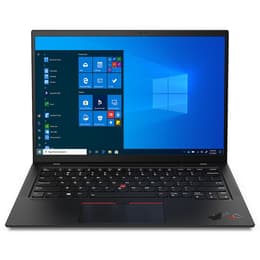
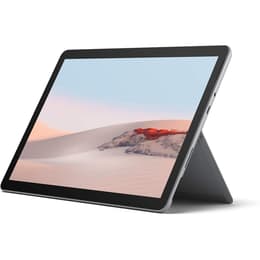
The Lenovo ThinkPad X1 Carbon Gen 9, released in 2021, is a business-oriented ultrabook designed for productivity and portability. In contrast, the Microsoft Surface Go 2, launched in May 2020, is a compact 2-in-1 detachable tablet that prioritizes versatility and mobility. While both devices operate on the Windows ecosystem, they cater to different user needs through their distinct form factors and performance capabilities. The ThinkPad offers a traditional laptop experience with robust processing power, whereas the Surface Go 2 provides a tablet-first approach with optional keyboard and pen accessories.
The expected practical lifespan of these devices varies significantly due to their design and intended use. The ThinkPad X1 Carbon Gen 9, as a premium business laptop, is built for sustained performance and durability, often receiving longer software support and having more user-upgradable components like storage. The Surface Go 2, while well-built, is a more compact and less powerful device, which might see its performance capabilities become less suitable for demanding tasks sooner.
Release year
Last Os Compatibility
Operating system
Performance is a key differentiator between these two devices, with the ThinkPad X1 Carbon Gen 9 offering significantly more processing power suitable for demanding workloads, while the Surface Go 2 is designed for lighter, everyday tasks.
Graphic card
The display experience differs substantially, primarily due to screen size, aspect ratio, and available panel options, catering to different viewing preferences and use cases.
Resolution
Screen type
Both devices include camera systems for communication, but the Surface Go 2 places a greater emphasis on its camera capabilities for a tablet-centric experience.
Beyond core performance and display, several practical elements distinguish these two devices, from connectivity options to physical design and handling.
Weight
Screen size
The Lenovo ThinkPad X1 Carbon Gen 9 and the Microsoft Surface Go 2 serve distinct user needs, each excelling in its intended domain. The ThinkPad X1 Carbon Gen 9 is frequently praised by users for its exceptional keyboard, lightweight yet durable build, and strong performance for demanding productivity tasks. Its 16:10 display is often highlighted as a significant improvement for workflow, and its comprehensive port selection minimizes the need for adapters. Some users note that while powerful, it can experience thermal throttling if not adequately ventilated.
The Microsoft Surface Go 2 receives commendation for its portability, vibrant touchscreen display, and excellent webcam and microphones, making it a strong contender for communication and media consumption. Its versatility as a 2-in-1 device is a frequent positive, allowing it to adapt from a tablet to a basic laptop experience with optional accessories. Common criticisms include the performance of the base model, which can feel underpowered for anything beyond light use, and the necessity of purchasing the keyboard and pen separately to unlock its full potential.
Users prioritizing a traditional laptop form factor with robust performance for professional tasks, extensive connectivity, and a premium typing experience will find the Lenovo ThinkPad X1 Carbon Gen 9 well-suited to their needs. Its larger screen and powerful internals are ideal for those who spend long hours on complex projects or extensive multitasking. Conversely, individuals seeking maximum portability, a versatile tablet-first device for casual use, media consumption, and video calls, or an eco-friendly alternative for light productivity, may lean toward the Microsoft Surface Go 2. Its compact size and touch interface are particularly beneficial for students or those who need a secondary, highly mobile computing device. Both devices, especially when considering quality-assured refurbished options, represent sustainable choices for different computing requirements.