iPhone
Compare models
Differences at a glance
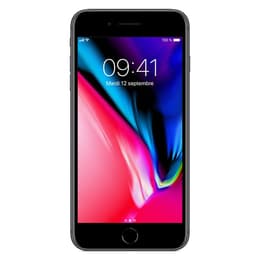
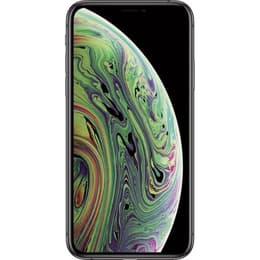
The iPhone 8 Plus, released in September 2017, and the iPhone Xs, launched in September 2018, represent two consecutive generations of Apple's smartphone lineup. While both devices operate within the familiar iOS ecosystem, they introduce distinct differences primarily in their display technology, biometric security, and internal processing capabilities. This comparison aims to highlight these practical distinctions to assist in making an informed decision.
Colour
Storage
The expected practical lifespan and software support differ between these two models due to their respective release dates.
Release year
Compatible with latest Update
Operating system
Foldable
Performance differences between the iPhone 8 Plus and iPhone Xs stem from their internal hardware, affecting how smoothly they handle daily tasks and demanding applications.
The visual experience is a significant differentiator, with both devices offering distinct display technologies and characteristics.
Resolution
Screen type
Both smartphones offer capable camera systems, but the iPhone Xs introduces several enhancements for photography and videography.
Main camera
Front camera
Beyond core features, several practical elements contribute to the overall user experience of these devices.
Weight
Screen size (in)
Network
SIM card
Carrier compatibility
Connector
When evaluating the iPhone 8 Plus and iPhone Xs, user feedback often highlights distinct preferences. The iPhone 8 Plus is frequently praised by users who appreciate the familiarity and reliability of the physical home button with Touch ID, its traditional design, and a screen size that offers ample viewing area without the notch. Some users also found its battery life to be robust for its time. However, common criticisms point to its aging design with larger bezels and the LCD display, which, while good, doesn't offer the same visual depth as newer technologies.
Conversely, the iPhone Xs generally receives acclaim for its more modern, edge-to-edge design, vibrant OLED display, and the convenience of Face ID. Its improved camera capabilities, particularly with features like Smart HDR and adjustable depth of field, are also often noted as significant upgrades. Some users, however, might find the notch design less aesthetically pleasing or prefer the tactile feedback of a physical home button.
Users prioritizing a traditional iPhone experience with a physical home button and a larger, classic display may find the iPhone 8 Plus well-suited to their needs. Those who value a more contemporary design, a superior display for media, advanced camera features, and facial recognition technology will likely lean towards the iPhone Xs. Both models remain viable options, especially when considering them as quality-assured refurbished alternatives, offering an eco-friendly choice for consumers.