
Compare models
iPhone 17 Pro vs iPhone SE (2022)
- 1-year warranty
- Free standard shipping
- Free 30-day returns
Differences at a glance
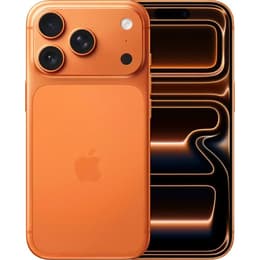
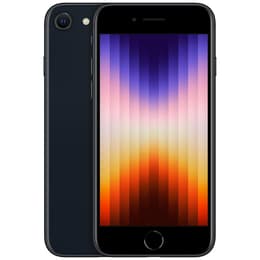
The iPhone 17 Pro (2025) and the iPhone SE (2022) represent two distinct approaches to Apple's smartphone lineup, catering to entirely different user preferences. The iPhone 17 Pro serves as a contemporary flagship featuring advanced processing capabilities and an expanded camera array, while the iPhone SE (2022) utilizes a classic compact form factor with traditional navigation elements. Both devices operate on iOS, ensuring a consistent software interface, though their hardware capabilities and target audiences diverge significantly.
Available Models
Colour
Storage (GB)
Scores
Durability
When evaluating hardware longevity and software support, the release timeline and structural build quality dictate how each device sustains usability over time.
- Software Support: The iPhone 17 Pro benefits from a later release year, ensuring extended operating system updates and security patches compared to the iPhone SE (2022).
- Build Materials: The iPhone 17 Pro incorporates reinforced glass and advanced exterior framing designed for structural resilience, whereas the iPhone SE (2022) utilizes a traditional glass-and-aluminum construction modeled after legacy designs.
- Expected Lifespan: Users seeking long-term hardware relevance and extended software compatibility will find the iPhone 17 Pro aligned with prolonged usage cycles.
Release year
2025
2022
Compatible with latest Update
Yes
Yes
Operating system
iOS
iOS
Foldable
No
No
Performance
System responsiveness and day-to-day operation vary notably based on internal hardware capabilities and memory configurations.
- App Multitasking: The iPhone 17 Pro handles demanding applications, high-end mobile gaming, and intensive background tasks smoothly, whereas the iPhone SE (2022) handles everyday browsing, messaging, and lighter apps efficiently.
- Storage Options: The iPhone 17 Pro offers larger maximum storage tiers suited for extensive media libraries, while the iPhone SE (2022) provides moderate storage capacities tailored to essential applications.
- Battery Behavior: The iPhone 17 Pro includes advanced power management for prolonged daily usage, while the iPhone SE (2022) features a smaller battery capacity that may require more frequent charging during heavy use.
Screen quality
Visual output and display specifications differ substantially in technology, size, and interaction smoothness.
- Display Technology: The iPhone 17 Pro features an advanced OLED display delivering deep contrast levels and high peak brightness for outdoor readability, while the iPhone SE (2022) uses a smaller LCD screen with standard brightness parameters.
- Refresh Rate: The iPhone 17 Pro supports higher refresh rates for fluid scrolling and motion clarity, whereas the iPhone SE (2022) utilizes a standard refresh rate.
- Viewing Area: The iPhone 17 Pro offers an edge-to-edge viewing experience with minimal bezels, while the iPhone SE (2022) retains traditional physical borders and a compact screen diagonal.
Resolution
2622x1206
750 x 1334
Screen type
Super Retina XDR
Retina IPS LCD
Audiovisual
Imaging hardware and audio-visual playback capabilities vary to accommodate casual recording versus advanced multimedia capture.
- Camera Systems: The iPhone 17 Pro incorporates a versatile multi-lens setup including ultra-wide and telephoto options for varied focal lengths, whereas the iPhone SE (2022) features a single rear camera suitable for straightforward snapshots.
- Low-Light Performance: The iPhone 17 Pro utilizes advanced sensor technology to preserve detail in dark environments, while the iPhone SE (2022) performs best in well-lit conditions.
- Audio Output: Both devices deliver clear stereo sound for calls and media consumption, though the iPhone 17 Pro provides a wider soundstage and enhanced speaker depth.
Main camera
48 megapixels
12 megapixels
Front camera
18 megapixels
7 megapixels
Miscellaneous
Practical physical attributes and connectivity standards shape how each device integrates into daily routines.
- Authentication Methods: The iPhone 17 Pro utilizes facial recognition technology for device security, while the iPhone SE (2022) incorporates a physical home button with fingerprint recognition.
- Physical Dimensions: The iPhone 17 Pro features a larger footprint and heavier build to accommodate its advanced components, whereas the iPhone SE (2022) is exceptionally lightweight and easily operated with one hand.
- Connectivity: Both models support modern cellular networks, with the iPhone 17 Pro featuring updated wireless standards for faster data transmission.
Weight
206 oz
144 oz
Screen size (in)
6.3
4.7
SIM card
eSIM
Physical SIM + eSIM
Carrier compatibility
Unlocked
Unlocked
Connector
USB-C
Lightning
What the community thinks
Community discussions and user feedback indicate that satisfaction depends heavily on individual expectations regarding form factor and capability. Users frequently praise the iPhone 17 Pro for its expansive display, robust battery endurance, and versatile camera array, though some note its larger physical size and weight. Conversely, users appreciate the iPhone SE (2022) for its familiar compact dimensions and traditional physical navigation, while noting that its smaller battery and single-lens camera have limitations for intensive multimedia tasks.
Users prioritizing advanced photography, high-end mobile performance, and modern display technology will find the iPhone 17 Pro well-suited to their needs. Meanwhile, users who prefer a lightweight, compact device with physical navigation for basic communication and everyday apps may lean toward the iPhone SE (2022). For those exploring sustainable purchasing decisions, a quality-assured refurbished option provides an eco-friendly alternative that extends device life cycles without compromising on performance standards.