Compare models

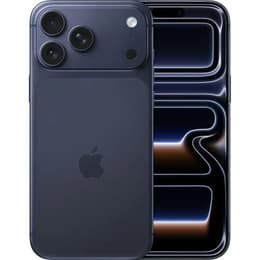
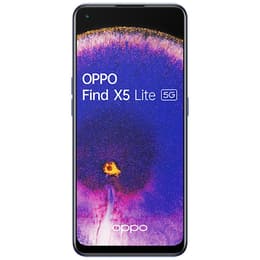
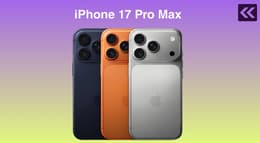
iPhone 17 Pro Max vs Oppo Find X5

  • 1-year warranty
  • Free standard shipping
  • Free 30-day returns
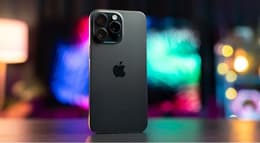
iPhone 17 Pro Max
Starting at

Refurbished price:A$1,746.00

Versus A$1,749.00 new

See options
Oppo Find X5
Starting at

Refurbished price:A$431.00

Versus A$1,889.00 new

See options

Differences at a glance

The iPhone 17 Pro Max (2025) and the Oppo Find X5 (2022) represent different eras and software philosophies in high-end mobile technology. While the iPhone 17 Pro Max runs Apple's tightly integrated iOS platform with an emphasis on long-term software continuity, the Oppo Find X5 operates on Google-powered Android with customizable interface features. Evaluating these models highlights how release years, hardware capabilities, and software ecosystems influence everyday functionality for users looking for a reliable device.

Available Models

Colour

Storage (GB)

Scores

Durability

When comparing longevity and durability, these devices reflect their different release timelines and software support models.

  • Software support duration: The iPhone 17 Pro Max benefits from an extended multi-year update schedule typical of recent Apple releases, whereas the Oppo Find X5 operates on a standard Android update window reflecting its earlier launch year.
  • Build resilience: Both handsets utilize robust exterior frames and reinforced screen glass, though the newer Apple model features updated drop-resistance materials suited for prolonged daily handling.
  • Expected lifespan: Users seeking extended software relevance over many years will find the newer iPhone model aligns with long-term retention goals, while the Oppo Find X5 suits users comfortable with shorter upgrade cycles.

Release year

2025

2022

Compatible with latest Update

Yes

Yes

Operating system

iOS

Android

Foldable

No

No

Performance

Processing capabilities and day-to-day responsiveness differ significantly due to the generational gap between the two devices.

  • Multitasking and app execution: The iPhone 17 Pro Max handles resource-intensive games and demanding creative software smoothly with ample memory headroom, while the Oppo Find X5 manages everyday browsing, messaging, and standard applications reliably.
  • Storage capacity: Both models offer generous internal storage configurations to accommodate large photo libraries and offline media files without frequent clearing.
  • Battery endurance: The iPhone 17 Pro Max delivers extended battery retention designed to comfortably clear heavy full-day usage, whereas the Oppo Find X5 provides standard daily endurance that may require a top-up during intensive usage tasks.

Screen quality

Display characteristics on both phones provide clear visuals, though they utilize different panel technologies and refresh implementations.

  • Panel technology and clarity: Both devices feature vibrant OLED displays with sharp resolutions, deep black levels, and accurate color reproduction for media viewing and web browsing.
  • Outdoor visibility: The iPhone 17 Pro Max reaches higher peak brightness levels for comfortable legibility under direct sunlight, while the Oppo Find X5 remains sufficiently clear for standard outdoor use.
  • Motion smoothness: Both screens support high refresh rates, ensuring fluid scrolling through menus, social media feeds, and compatible applications.

Resolution

2868x1320

1080 x 2400

Screen type

Super Retina XDR

AMOLED

Audiovisual

Imaging hardware and media playback features cater to different styles of photography and content consumption.

  • Camera versatility: The iPhone 17 Pro Max equips a multi-lens rear system featuring high-resolution sensors and advanced computational photography tools, while the Oppo Find X5 utilizes balanced main and ultra-wide lenses paired with dedicated image processing hardware for clear low-light shots.
  • Video and audio: Both handsets capture stable, detailed video recordings with clear microphone pickup, accompanied by stereo speaker setups that deliver balanced sound for casual media playback.

Main camera

48 megapixels

50 megapixels

Front camera

18 megapixels

32 megapixels

Miscellaneous

Practical daily usability elements vary in physical dimensions, connectivity standards, and biometric authentication methods.

  • Physical build and handling: The iPhone 17 Pro Max features a larger, heavier footprint housing its expansive screen, whereas the Oppo Find X5 offers a slightly more compact, curved profile that rests comfortably in smaller hands.
  • Connectivity and ports: Both models support fast cellular data networks and modern Wi-Fi standards, utilizing a reversible USB Type-C connection format for charging and data transfers.
  • Authentication: The iPhone relies on secure facial recognition sensors, while the Oppo model incorporates an optical fingerprint reader embedded directly beneath the display.

Weight

233 oz

196 oz

Screen size (in)

6.9

6,5

Network

5G

5G

SIM card

eSIM

Physical SIM

Carrier compatibility

Unlocked

Unlocked

What the community thinks

User feedback highlights distinct preferences for each device across community forums. Owners of the iPhone 17 Pro Max frequently praise its reliable battery performance, robust build quality, and fluid multitasking capabilities, though some note its larger physical size can feel heavy during prolonged one-handed use. Conversely, users of the Oppo Find X5 often commend its comfortable ergonomics, rapid charging capabilities, and balanced display quality, while pointing out that its older software cycle results in fewer future system updates.

Users prioritizing long-term software updates, high peak outdoor brightness, and extensive battery endurance may prefer the iPhone 17 Pro Max. Meanwhile, users who favor comfortable one-handed handling, fast charging speeds, and a customizable Android interface will find the Oppo Find X5 well-suited to their preferences. For those exploring sustainable purchasing routes, choosing a quality-assured refurbished option provides an eco-friendly alternative that extends device lifecycles without compromising on performance standards.


Our recent comparisons