Compare models

iPhone 17 Pro Max vs Motorola Razr 40 Ultra

  • 1-year warranty
  • Free standard shipping
  • Free 30-day returns
iPhone 17 Pro Max
Starting at

Refurbished price:A$1,610.00

Versus A$2,199.00 new

See options
Motorola Razr 40 Ultra
Starting at

Refurbished price:A$855.00

Versus A$2,114.00 new

See options

Differences at a glance

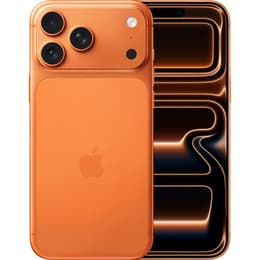
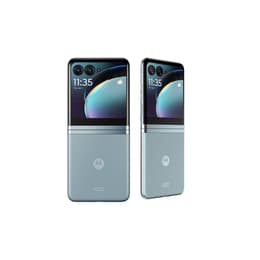
The iPhone 17 Pro Max (2025) and the Motorola Razr 40 Ultra (2023) represent two entirely different form factors and design philosophies in the modern smartphone landscape. While the iPhone 17 Pro Max delivers a conventional, robust candybar structure running iOS, the Motorola Razr 40 Ultra opts for an innovative folding flip design powered by Android. These contrasting builds cater to distinct user preferences regarding portability and everyday interaction.

Available Models

Colour

Storage

Scores

Durability

When examining longevity, these devices offer contrasting update cycles and physical durability profiles shaped by their differing launch years and mechanical engineering.

  • Software support timeline: The iPhone 17 Pro Max benefits from an extended multi-year software update schedule typical of recent Apple devices, whereas the Motorola Razr 40 Ultra features an older release window with a more limited remaining window for major operating system upgrades.
  • Physical durability and repairability: The iPhone 17 Pro Max utilizes a rigid unibody frame with advanced front glass protection and high-level water resistance, while the Motorola Razr 40 Ultra incorporates a folding display mechanism that requires more careful handling over years of daily flexing.
  • Expected practical lifespan: Users can generally anticipate a longer operational window from the newer Apple flagship before software or hardware limitations emerge.

Release year

2025

2023

Compatible with latest Update

Yes

Yes

Operating system

iOS

Android

Foldable

No

Yes

Performance

Both smartphones handle demanding daily responsibilities smoothly, though they approach multitasking and internal hardware efficiency through different software ecosystems.

  • Multitasking and app switching: Both models manage background applications and routine transitions fluidly, providing seamless switching between web browsing, social media, and productivity tools.
  • Battery behavior: The iPhone 17 Pro Max features a high-capacity power cell designed for extended heavy-use cycles, whereas the Motorola Razr 40 Ultra's compact folding chassis houses a smaller battery that may require more frequent recharging during intensive tasks.
  • Storage configurations: Both devices offer generous internal storage tiers to accommodate large media libraries and offline files without performance degradation.

Screen quality

Display performance is a major differentiator, contrasting a large fixed panel against a flexible folding screen configuration.

  • Display technology: The iPhone 17 Pro Max utilizes a vibrant OLED panel with adaptive refresh rates up to 120Hz, while the Motorola Razr 40 Ultra features a folding inner screen paired with a functional outer cover display for quick interactions.
  • Outdoor visibility: Both screens reach high peak brightness levels, ensuring clear legibility and rich contrast under direct sunlight.
  • Visual fluidity: High refresh rate support on both devices guarantees smooth scrolling animations and responsive touch feedback during daily navigation.

Audiovisual

Imaging capabilities reflect different design priorities, balancing multi-lens versatility with compact form-factor constraints.

  • Photography performance: The iPhone 17 Pro Max equips a versatile triple-lens array with high-resolution sensors and advanced optical zoom, whereas the Motorola Razr 40 Ultra relies on a dual-camera system that also allows unique angles using its folding posture.
  • Video and audio recording: The Apple device provides extensive professional video formats and spatial audio capture, while Motorola delivers reliable everyday video recording and clear microphone performance for calls.
  • Media consumption: Built-in stereo speakers on both models offer clear sound output for casual video viewing and listening.

Front camera

18 megapixels

32 megapixels

Miscellaneous

Practical everyday features vary significantly based on the physical architecture and ecosystem choices of each manufacturer.

  • Connectivity and ports: Both models support modern 5G networks and fast wireless standards, utilizing USB-C style physical connectors for charging and data transfer.
  • Biometric security: The iPhone 17 Pro Max relies on facial recognition technology, while the Motorola Razr 40 Ultra integrates a side-mounted fingerprint scanner into its power button.
  • Physical dimensions: The Motorola Razr 40 Ultra folds into a compact square that slips easily into small pockets, whereas the iPhone 17 Pro Max presents a larger, traditional footprint with a heavier build.

Weight

233 oz

192 oz

Screen size (in)

6.9

6,9

Network

5G

5G

SIM card

Physical SIM + eSIM

Dual Physical SIM

Carrier compatibility

Unlocked

Unlocked

Connector

USB-C

USB-C

What the community thinks

Community discussions on platforms like Reddit highlight distinct user sentiments regarding these devices. Owners of the Motorola Razr 40 Ultra frequently praise its nostalgic folding design, compact pocketability, and the convenience of the outer cover screen for quick notifications. At the same time, some users note that the folding crease and smaller battery capacity require compromises in durability and daily endurance. Conversely, users of the iPhone 17 Pro Max regularly commend its exceptional battery longevity, robust build quality, and powerful camera system, though some mention its large physical footprint and heavy weight as minor drawbacks during one-handed use.

Users prioritizing a compact, pocket-friendly form factor with innovative folding mechanics may prefer the Motorola Razr 40 Ultra, while users focusing on long-term software support, maximum battery endurance, and advanced camera versatility will find the iPhone 17 Pro Max better suited to their needs. For those looking to make a sustainable choice, opting for a quality-assured refurbished option provides an eco-friendly alternative to purchasing brand-new hardware. Selecting between these two devices ultimately depends on whether day-to-day usability favors a traditional slab phone design or a flexible folding experience.

Our recent comparisons