

iPhone 16e vs Oppo Reno 8

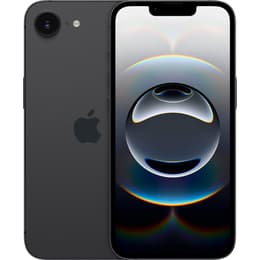
iPhone 16e
iPhone 16e
Starting at

Refurbished price:A$794.00

Versus A$999.00 new

See options
Oppo Reno 8
Oppo Reno 8
Starting at

Refurbished price:A$246.00

Versus A$1,159.00 new

See options

The iPhone 16E, released in February 2025, serves as Apple's entry-level smartphone, offering a blend of modern features within a familiar design. In contrast, the Oppo Reno 8, launched in mid-2022, is a mid-range Android device known for its fast charging and capable camera system. While both are smartphones, they cater to different user expectations, primarily due to their release timelines and underlying operating systems, iOS and Android respectively.

Scores

Durability

When considering the long-term usability of these devices, their respective release dates and software support policies are key factors.

  • Release Timeline: The iPhone 16E, introduced in February 2025, benefits from a significantly newer launch compared to the Oppo Reno 8, which first became available in May/July 2022. This difference in age directly impacts how long each device can expect to receive official support and remain current with software advancements.
  • Software Longevity: Apple is known for its extended software support, with the iPhone 16E anticipated to receive major iOS updates for approximately five to seven years from its release, potentially extending security patches even longer. This means the iPhone 16E could see updates well into the next decade. The Oppo Reno 8, running Android, typically receives two to three major Android OS updates and three to four years of security updates. It likely received Android 13 and 14, and possibly 15, but Android 16 is improbable, with security updates expected to conclude around late 2025 or early 2026.
  • Repairability: The iPhone 16E, as part of the iPhone 16 series, has seen improvements in repairability, with features like battery adhesive designed for easier removal. However, Apple's software parts-pairing can complicate independent repairs. Specific repairability scores for the Oppo Reno 8 are not widely available, but mid-range Android devices generally offer moderate repair access.

Release year

2025

2022

Operating system

iOS

Android

Foldable

No

No

Performance

The performance of a smartphone is largely dictated by its internal processing unit and how efficiently it handles tasks, from everyday browsing to more demanding applications.

  • Processing Power: The iPhone 16E is equipped with Apple's A18 chip, which is optimized for generative artificial intelligence tasks and features a Neural Engine designed for enhanced speed. This allows for smooth handling of demanding apps and efficient multitasking. The Oppo Reno 8 is powered by the MediaTek Dimensity 1300 processor, which provides capable performance for most daily tasks and offers good gaming capabilities for its class.
  • System Responsiveness: Users of the iPhone 16E can expect a highly responsive experience, with applications loading quickly and seamless transitions between tasks, supported by its advanced chip architecture. The Oppo Reno 8 also offers a generally snappy feel when navigating the interface and running applications, providing a fluid user experience for typical usage.
  • Storage and Multitasking: The iPhone 16E is available with storage options up to 512GB, and features 8GB of RAM, contributing to efficient multitasking. The Oppo Reno 8 comes with 8GB or 12GB of RAM and up to 256GB of internal storage, which is sufficient for most users' app and media storage needs, though it does not support expandable storage.

Memory (GB)

8 GB

8 GB

Screen quality

The display is a primary interface for smartphone interaction, and both devices offer distinct visual experiences.

  • Display Technology and Clarity: Both the iPhone 16E and the Oppo Reno 8 feature OLED displays, known for their deep blacks and vibrant colors. The iPhone 16E has a 6.1-inch OLED display with a resolution of 2532 x 1170 pixels, providing a clear and detailed viewing experience. The Oppo Reno 8 offers a slightly larger 6.43-inch AMOLED display with a 2400 x 1080 pixel (FHD+) resolution, also delivering good clarity for typical viewing.
  • Refresh Rate and Brightness: The Oppo Reno 8 features a 90Hz refresh rate, which contributes to smoother scrolling and a more fluid visual experience compared to standard 60Hz displays. The iPhone 16E maintains a 60Hz refresh rate. The iPhone 16E's display offers up to 800 nits max brightness and 1200 nits peak HDR brightness, ensuring good visibility in various lighting conditions. The Oppo Reno 8's display also provides good brightness levels for outdoor use.
  • Screen Protection and Design: The iPhone 16E's display is protected by Ceramic Shield technology, offering enhanced durability. It retains a notch design for its front camera and sensors. The Oppo Reno 8 features Corning Gorilla Glass 5 for screen protection and incorporates a punch-hole design for its front camera, maximizing screen real estate.

Resolution

2532x1170

1080x2400

Audiovisual

Camera capabilities are a significant consideration for many smartphone users, and these devices approach photography with different hardware configurations.

  • Rear Camera System: The iPhone 16E features a single 48MP wide-angle rear camera with an f/1.6 aperture, focusing on computational photography to deliver high-quality images, including improved low-light performance. The Oppo Reno 8 comes with a triple-camera setup, including a 50MP main sensor (Sony IMX766, f/1.8), an 8MP ultrawide lens, and a 2MP macro lens. Its main camera is noted for good detail, vibrant colors, and capable low-light performance.
  • Front Camera and Video: For selfies and video calls, the iPhone 16E includes a 12MP front camera with an f/1.9 aperture, with potential for autofocus capabilities. The Oppo Reno 8 is equipped with a 32MP selfie camera, which delivers crisp and bright images. Both devices are capable of recording video at 4K resolution at 30 frames per second, with the iPhone 16E also supporting advanced video features through its processing power.
  • Specialized Features: The iPhone 16E's camera system benefits from Apple's computational photography, enhancing image quality across various scenarios. The Oppo Reno 8's main camera, utilizing the Sony IMX766 sensor, is particularly effective in capturing detailed and colorful shots, even in challenging lighting.

Miscellaneous

Beyond core features, several practical elements contribute to the overall user experience and daily convenience.

  • Connectivity and Ports: Both smartphones support 5G connectivity for faster mobile data speeds. The iPhone 16E supports Wi-Fi 6 and Bluetooth 5.3, and notably features a USB-C port for charging and data transfer. The Oppo Reno 8 also includes Wi-Fi 6 and Bluetooth 5.3, and uses a USB-C port.
  • Biometrics and Navigation: The iPhone 16E relies on Face ID for secure authentication and includes an Action Button, which can be customized for various functions. The Oppo Reno 8 features an in-display fingerprint sensor and supports face unlock for convenient access.
  • Design and Durability Features: The iPhone 16E has dimensions of 146.7 x 71.5 x 7.8 mm and weighs 167 grams, featuring an aluminum frame and glass back, with an IP68 rating for dust and water resistance. The Oppo Reno 8 measures 160.6 x 73.4 x 7.7 mm and weighs 179 grams, with a glass front (Gorilla Glass 5) and a plastic frame. It does not have an official IP water resistance rating.

Weight

167 oz

200 oz

Screen size (in)

6.1

6,43

Network

5G

5G

SIM card

Physical SIM + eSIM

Dual Physical SIM

Carrier compatibility

Unlocked

Unlocked

Connector

USB-C

USB-C + Jack 3.5mm

The iPhone 16E and Oppo Reno 8 offer distinct propositions for smartphone users, largely influenced by their generational difference and ecosystem. Users frequently praise the iPhone 16E for its robust software support, ensuring a long lifespan with the latest iOS features and security updates. Its powerful A18 chip is consistently highlighted for delivering smooth performance and enabling advanced AI capabilities. Some users, however, note the retention of the notch design and the 60Hz refresh rate as areas where it doesn't align with the latest premium smartphone trends.

The Oppo Reno 8 is often commended for its impressive 80W fast charging, which significantly reduces downtime, and its capable main camera, particularly in good lighting conditions. Its 90Hz AMOLED display also receives positive feedback for a fluid visual experience. Criticisms sometimes point to the less impressive performance of its secondary camera lenses and the shorter software update cycle compared to its Apple counterpart.

Users prioritizing long-term software support, a powerful and AI-capable processor, and a durable build with an IP rating may find the iPhone 16E well-suited to their needs. Its integration into the Apple ecosystem and consistent performance are strong advantages. Conversely, users who value very fast wired charging, a higher refresh rate display, and a versatile multi-lens camera system for everyday photography might lean toward the Oppo Reno 8. This device offers a compelling Android experience, especially for those who appreciate rapid battery top-ups.

For consumers evaluating their options, considering a quality-assured refurbished option for either model can provide an eco-friendly alternative, extending the life cycle of these devices and offering a sustainable choice.
See all articles

Our recent comparisons